CAST Partners in Novi Sad: From Understanding Inclusion to Accessible Tourism Products and a Joint Festival
Novi Sad / Sremski Karlovci, Srbia, March 17–19, 2026
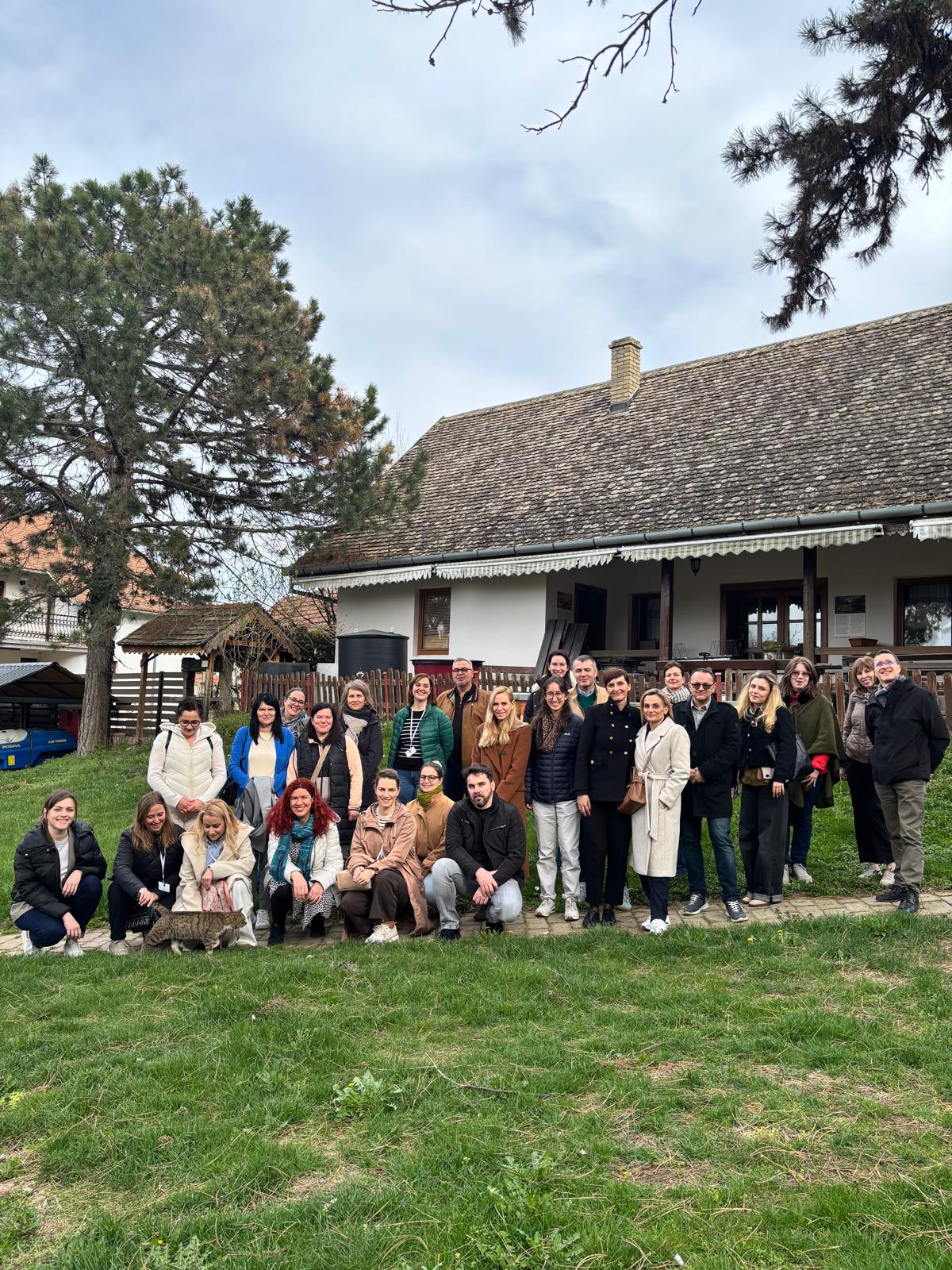
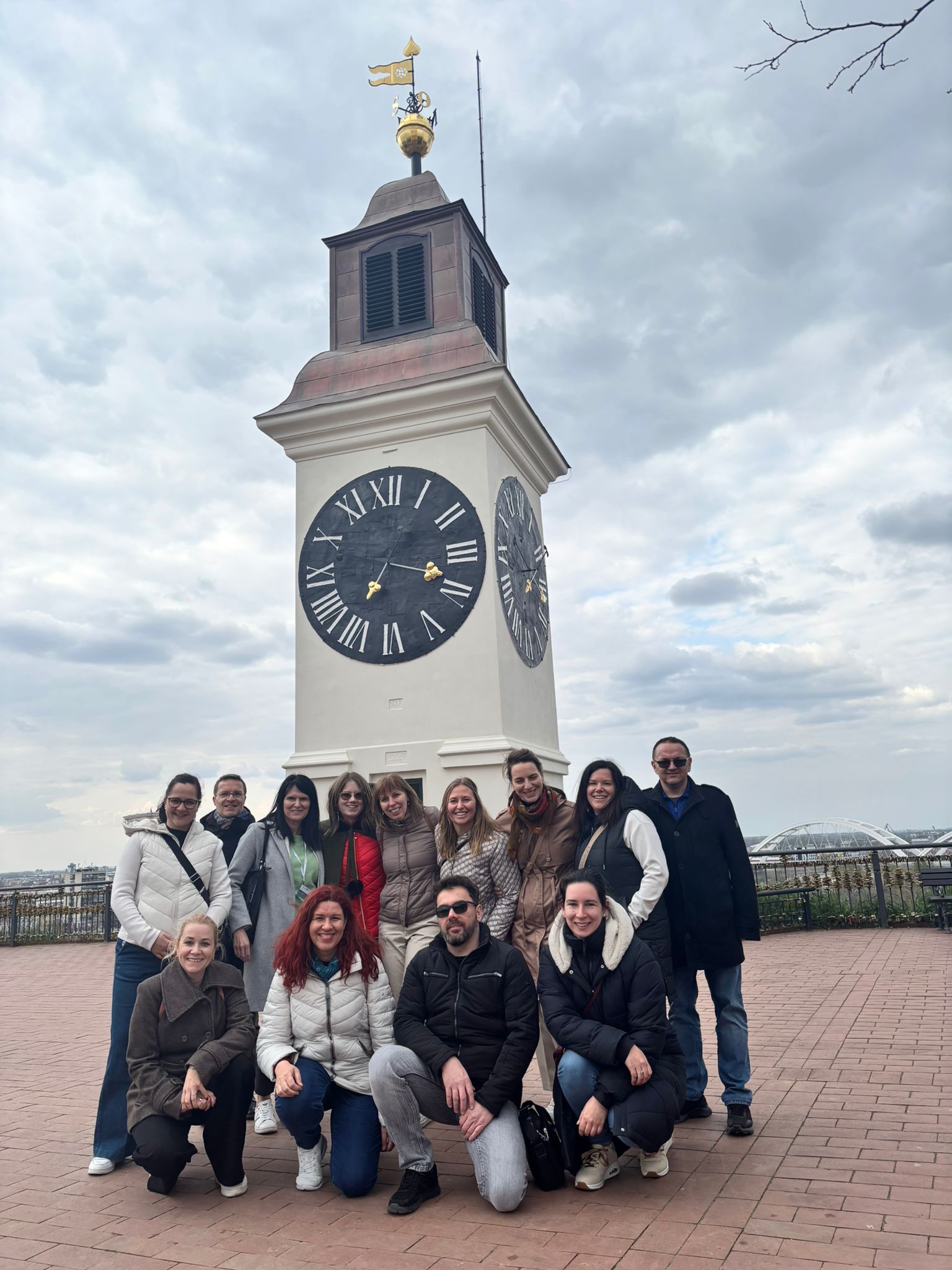
Partners of the CAST project (Culture trAnSforming communiTies and economies) gathered for their fourth partner meeting and a three-day study visit in the Vojvodina region. The meeting, organized by the lead partner Iskriva Institute and the Tourist Organization of Vojvodina, was marked by intensive collaboration, exchange of experiences, and joint planning of the next steps. The partners come from 11 different Danube region countries, united by a common goal: to develop tourism products and a shared accessible festival that strengthen inclusion, accessibility, and the resilience of local communities.
Strong connections and transition to a new phase of the project
One of the key highlights of the meeting was the strong and trust-based connections established within the partnership, enabling even more coordinated work. A good example is the collaboration between the Petrovac Jazz Festival (Montenegro) and the Jazz Ravne association, who will host each other at their festivals this year. The project is thus gradually moving from the planning phase into the implementation phase of pilot activities and real-life testing of solutions.
During workshops, partners jointly developed initial plans for pilot projects, exchanged perspectives, and defined concrete steps to ensure successful implementation in their respective countries. Special emphasis was placed on forming local working groups, identifying local stakeholders, and adapting solutions to real community needs—such as adapting an exhibition for young audiences at the House of Carniolan Bee in Višnja Gora, or setting up a joint installation and festival in the Ljuljin housing estate in Sofia.
Urška Dolinar, Director of Iskriva Institute and lead partner of the CAST project, emphasized: “Within the partnership, a growing sense of trust and connection allows us to move from the planning phase into concrete implementation. Each partner will develop a three-day accessible tourism product within a broader cultural and tourism ecosystem, and two partners will also purchase specific equipment to adapt exhibitions for vulnerable groups. These pilot activities will be crucial for testing solutions in practice and for further developing a model based on collaboration with local communities and their real needs.”
Inspiring insights into local heritage
An important part of the programme was also the study visit to Sremski Karlovci, one of the pilot locations of the project in Serbia. Participants had the opportunity to explore the rich cultural and religious heritage, as well as good practices in local tourism.
The visit included landmarks such as the Krušedol Monastery, historical buildings and institutions in the town, as well as the Beekeeping Museum and the Živanović wine cellar, all of which beautifully demonstrate the connection between tradition, local identity, and tourism development.
These visits were not only educational but also a source of inspiration for reflecting on how cultural heritage can contribute to more inclusive, sustainable, and vibrant communities.
A shared vision for the future
The meeting in the Vojvodina region is yet another example of how the CAST project is building a strong partnership based on cooperation, trust, and a shared vision. With a clear focus on implementation, the project is entering a new phase where developed ideas will come to life and contribute to the development of inclusive cultural solutions in the Danube region.
Partners look forward to continued collaboration and the next steps, which will further strengthen community connections and the transfer of good practices between regions.
About CAST
The CAST project brings together partners from across the Danube region with the aim of developing and testing innovative approaches that use culture to enhance inclusion, accessibility, and the resilience of local communities. The key goal of the project is to develop and transfer the so-called CAST model—an approach that, through collaboration between partners and local stakeholders, supports the development of sustainable, participatory, and community-oriented solutions in the field of culture and social inclusion. The project is co-funded by the Interreg Danube Region Programme.