International Development Conference Co-creating Future Heritage: From Industrial Past to Future Horizons
On 20 and 21 November 2025, Ravne na Koroškem became a meeting point for European and Slovenian experts, creatives, and representatives of cities, regions and industrial centres who are thinking about the future of industrial heritage and the transformation of industrial spaces. The two-day international development conference entitled Co-creating Future Heritage: From Industrial Past to Future Horizons, held in the renovated Old Ironworks, brought together knowledge, creativity and innovation, firmly placing the Old Ironworks on the map of European cultural and innovation hubs.
The event was organised by Zavod Iskriva in cooperation with the Municipality of Ravne na Koroškem, the Carinthian Regional Museum, the Central European Iron Trail, ZKŠTM Ravne and the Geodetic Institute of Slovenia.
Day One: Vision, Inspiration and Collaboration
The first day was dedicated to visions, inspiration and the search for development directions for the new life of the Old Ironworks, which will in future function as a centre of knowledge, creativity and community connection. The Mayor of the Municipality of Ravne na Koroškem, Tomaž Rožen, stressed that the renovation of the Old Ironworks represents “a new and very important chapter in the development of this site as cultural heritage, while at the same time opening the way for forward-looking ideas – in tourism, science, innovation, art and culture, far beyond the classic presentation of heritage”.
Speakers from Slovenia, France, Romania and other countries that have successfully transformed their industrial spaces emphasised that such a breakthrough requires a combination of passion, a clear vision and a strong team. Participants highlighted that Ravne’s cultural heritage, enriched with innovative practices, can become the foundation for new development opportunities, cooperation and an attractive environment for living and working.
At the round table Creative Cities of the Future: Culture as a Driver of Development, Renata Zamida (Director, Center Rog), Marina Batog (CEO, Make Better, and representative of the Romanian city of Reșița) and Anja Zorko (Head, Centre for Creativity) stressed that culture is the key pillar of a sustainable future. The involvement of the local community and cooperation with European programmes such as the New European Bauhaus are essential.
A special source of inspiration was the story of the French town of Loos-en-Gohelle, presented by city representative Valentina Hernández. Once part of the coal-mining region of Nord-Pas-de-Calais, the town faced a loss of identity after the mines closed in the mid-1980s; today it is a European role model for transformation into a green, resilient and socially inclusive community. Hernández emphasised that a clear vision and persistence in building connections are the key to success.
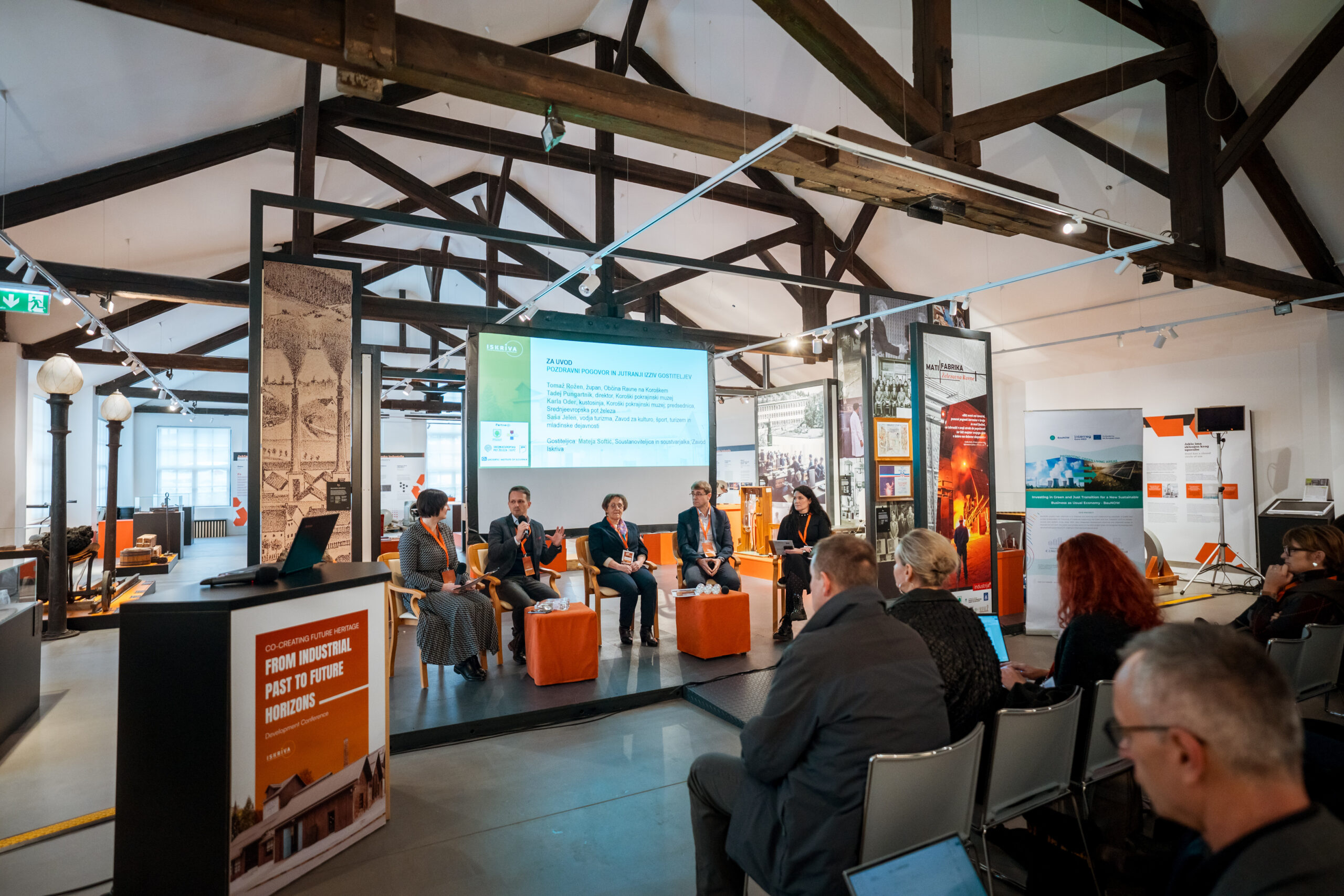
Karla Oder (Koroška Regional Museum), Janja Širnik (Mayor’s Office, Municipality of Ravne na Koroškem) and Saša Jelen (Head of Tourism, ZKŠTM Ravne) gave a comprehensive presentation of the renovation process of the Old Ironworks and the vision for its future.
One of the day’s highlights was a conversation with Slovenian creatives whose innovations reach beyond national borders: Tomaž Rodič, Director of the Space-SI Centre of Excellence; Maša Jazbec, artist, academic researcher, curator and producer specialising in humanoid robotics and director of Katapult Robotika; Igor Miljavec, President of the Inter-Municipal Association of the Blind and Visually Impaired Nova Gorica; Zdravko Pavlekovič, Headmaster of Ravne Secondary School.
They discussed linking education, business and local communities, the accessibility of cultural and innovation centres, and opportunities for young people. Pavlekovič presented the project “Through Young Eyes – Koroška Companies Up Close”, Miljavec stressed the importance of inclusion for all, Rodič explored the potential of linking science, technology and heritage, while Jazbec pointed out that children in Trbovlje are already being inspired by robotics and no longer need to go abroad for knowledge. She closed the day with the thought: “Passion, vision and a team – and anything is possible.”


Day Two: Best Practices and Concrete Projects
Zasavje and Koroška: Two Regions Building New Development Identities
The second day built on best-practice examples of revitalising former industrial sites and workshops to shape concrete project initiatives. The highlight was the discussion Shared Vision, Shared Success: The Power of Cooperation between Municipality and Business, featuring Jure Knez (President and co-founder of Dewesoft, owner of Katapult) and Mag. Zoran Poznič (Mayor of Trbovlje). The conversation underlined how crucial synergy between the local community, business and creative practices is for a region to achieve a development breakthrough.
Poznič pointed out that modern cities cannot progress without comprehensive management of key systems: high-quality education, healthcare, housing policy, cultural offer and the green transition. Together with Dr Jure Knez, the Municipality of Trbovlje is intensively preparing the ground for the unique City of Acrobats project – a space for talent, technological creativity and modern educational approaches, built on cooperation between business, youth and innovation centres. “I know how much the City of Acrobats would have meant to us when we were starting out,” remarked Jure Knez.
Both speakers stressed that speed of development and an environment of mutual trust and cooperation are decisive for success. That is why the link between the municipality and the Katapult business accelerator is built on the concept of “Kameratšaft” – the mining tradition of trust, mutual support and responsibility towards one another. “This is the foundation on which we are building an environment where people grow, help each other and create a future that is bigger than individual institutions,” added Knez.
Poznič also highlighted the indispensable role of culture and creativity, calling for an end to rigid notions of art and for the promotion of the interweaving of technology, science and creative practices that generate new value. He singled out artist and researcher Maša Jazbec, head of Katapult Robotika, whose work in humanoid robotics and interdisciplinary approaches had already thrilled the audience on the first day and who, in his words, embodies a future in which technology and art work hand in hand.
The discussion also touched on responsibility towards young people. Knez warned that the education system provides too few practical skills and values that give young people self-confidence and a clear understanding of their own knowledge. Poznič added that Katapult is filling exactly these gaps, enabling young people to develop competences that traditional school curricula often neglect.

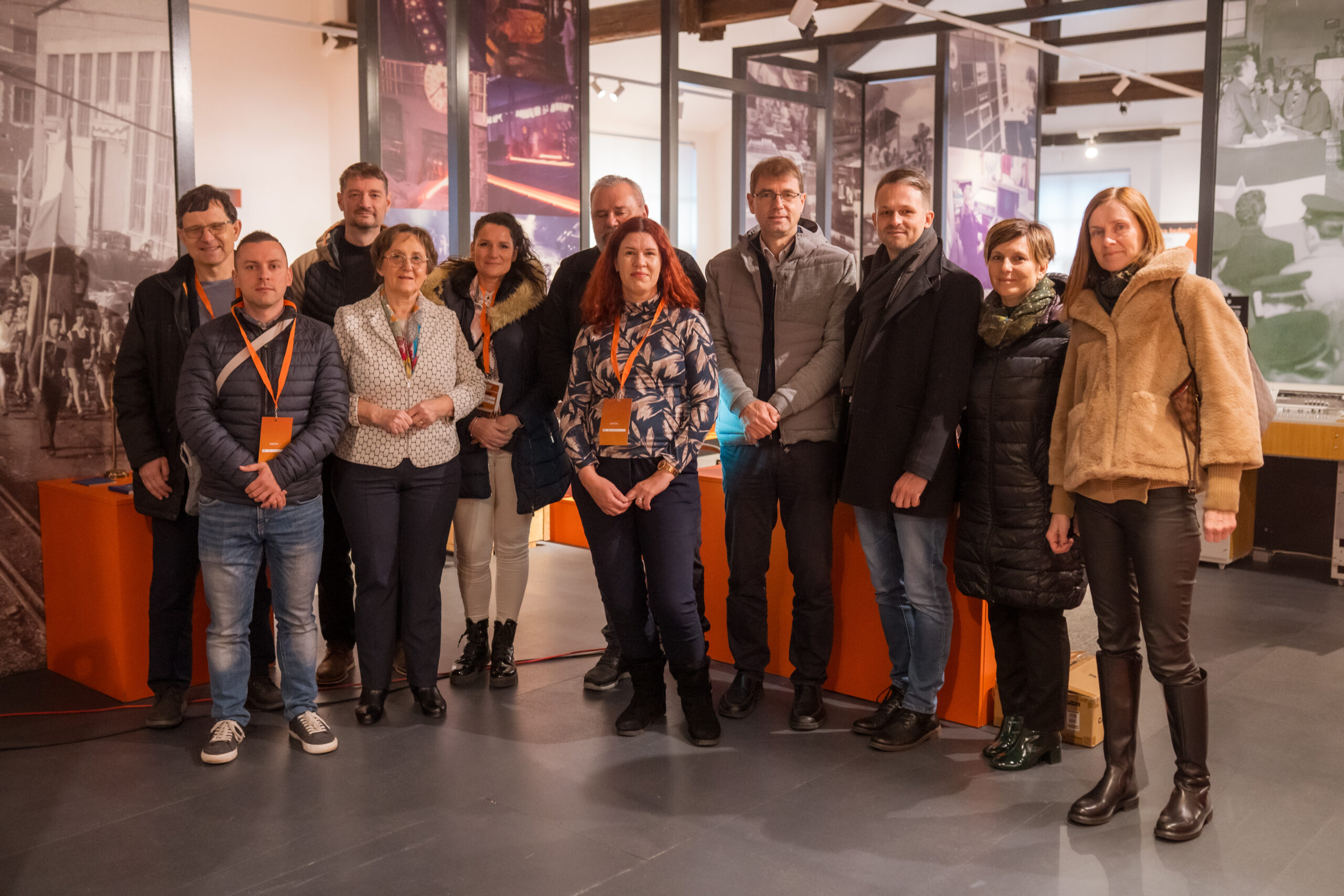
Views on the development of Zasavje and its parallels with Koroška were also shared by representatives of key regional institutions: Anja Šerc (Director, Zasavje Regional Development Agency), Nataša Grošelj (coordinator of the Preplet project at Tone Okrogar Primary School, Zagorje ob Savi) and Špela Pavli Perko (Director, Trbovlje Workers’ Cultural Centre). They emphasised that both regions, once heavily marked by heavy industry, are now in the process of searching for new identities and development paths. In their view, community cohesion, the inclusion of different disciplines and the active role of local stakeholders are the elements that can enable a breakthrough.
European Connections and Creative Inspiration
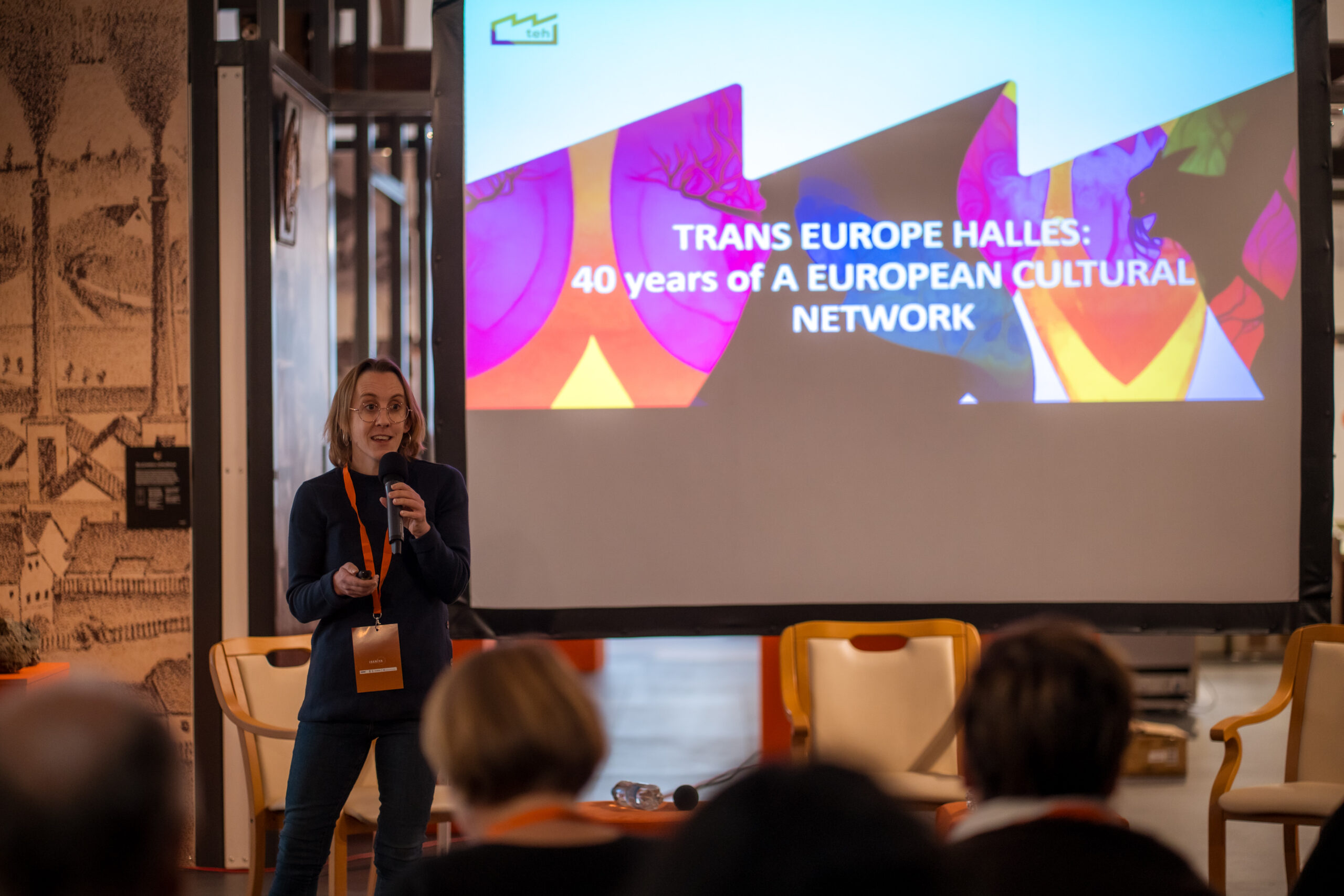
In the second part of the programme, Hanna Olsson from the Trans Europe Halles network – which connects more than 170 independent art and cultural centres from over 40 countries – presented its work. She stressed that the Old Ironworks has every chance of becoming the first Slovenian member of this prestigious European network.
The second day ended on an inspiring note with a performance by Luka Bobovnik, a pupil from Ravne Secondary School, whose original rap song about kindness and non-violence delighted the audience.


From Ideas to Action
The conference sessions flowed into interactive workshops led by Primož Šporar, High Impact Designer and director of Fund 2740. Participants jointly developed concrete project proposals focusing on linking creative and innovation centres, sustainable development of industrial regions, education and skills development, and establishing socially impactful business models. They created a rich set of ideas that will significantly influence the future integration of the Old Ironworks at local, regional and international levels.
The conference concluded with a clear message: industrial heritage is not a burden of the past, but a springboard for the future.

Partners:

Supporters: