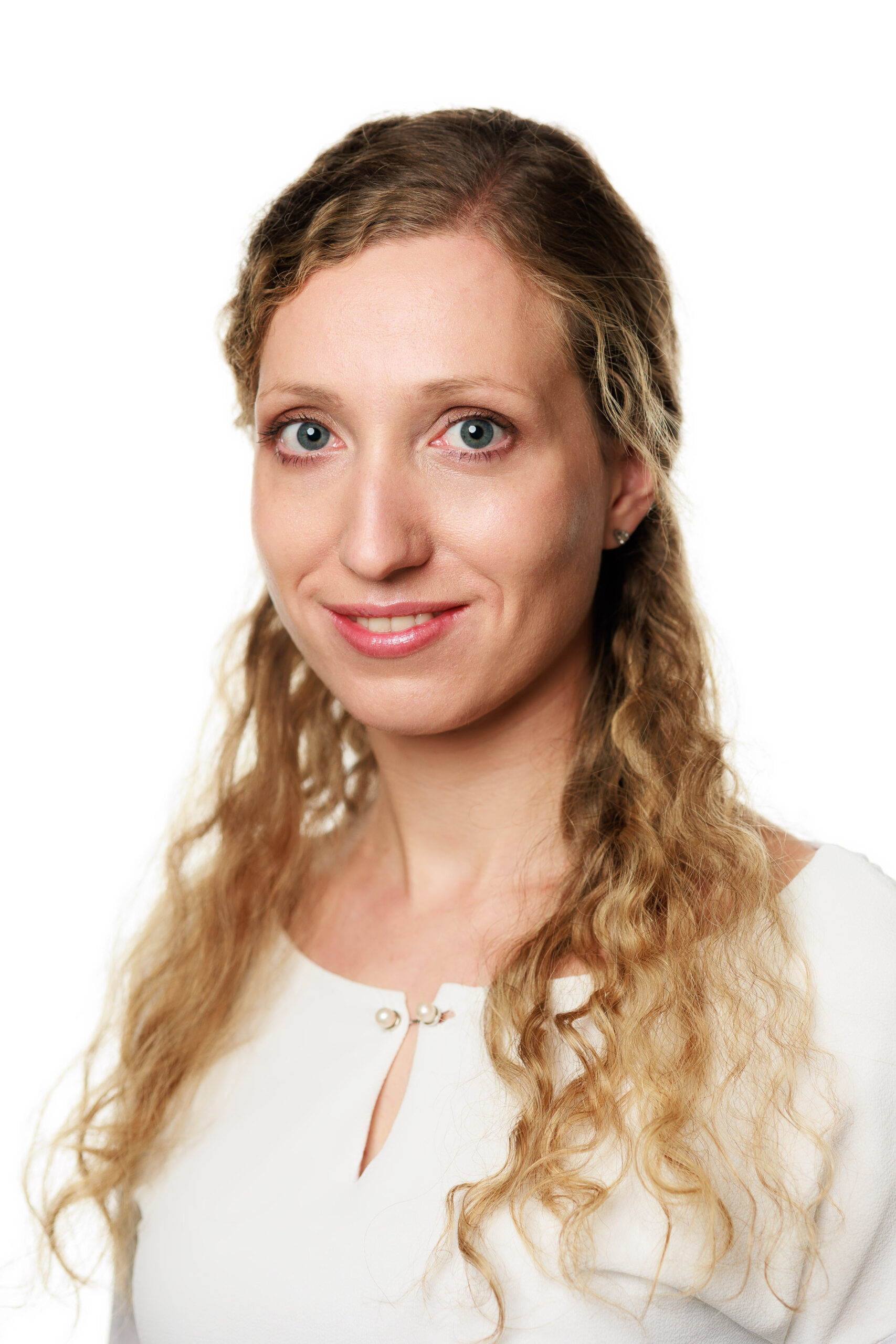
Today in the spotlight: ANJA NARTNIK, Project Manager, Iskriva Institute.
Anja in three words:
Warm, clear, reliable.
You have been co-creating projects at Iskriva Institute for eight years. What motivates you most in your work?
What motivates me most is the feeling that we are connecting partners, ideas, and knowledge from different environments and turning them into something that goes beyond any single organisation. I am glad to see ideas move from paper and plans into concrete solutions, new opportunities, and more inclusive communities.
I also enjoy bringing a sense of humanity, clarity, and structure into processes, helping to create an environment where people feel heard, connected, and ready to collaborate.
As the face of the CE-VITA project, which strives for more accessible healthcare and rehabilitation in the region, why is this project so important for improving regional healthcare systems?
The CE-VITA project is important because it reduces disparities in access to healthcare in peripheral regions. It enables faster, better-coordinated, and more accessible rehabilitation after stroke. It also strengthens the knowledge and confidence of local professionals, which in the long term improves the quality of care. By connecting stakeholders and introducing practical innovations, the project lays the foundation for a more inclusive and sustainable healthcare system.
What do you think are the three key components of effective project management?
Clear structure, open and respectful communication between partners, and the ability to adapt to change. Structure provides direction to the project, communication connects people and aligns goals, and adaptability enables the project to respond to real-world needs.
Which book or podcast have you recently read or listened to that you would recommend?
Recently, I was particularly inspired by Brené Brown’s conversation How to Lead With Vulnerability at Work from The Interview podcast series. I would recommend it because it clearly shows that vulnerability is, in fact, a source of strength rather than weakness—especially in leadership roles.
In project environments, where we often face uncertainty, diverse interests, and rapid change, the ability to communicate openly, acknowledge challenges, and build trust among team members is crucial for success. It is content that any leader can immediately apply in their work.