REGIONS 2030+: The Future of Regions Requires More Than Individual Projects: Sustainable Partnerships, Clear Priorities and Long-Term Solutions Are Essential
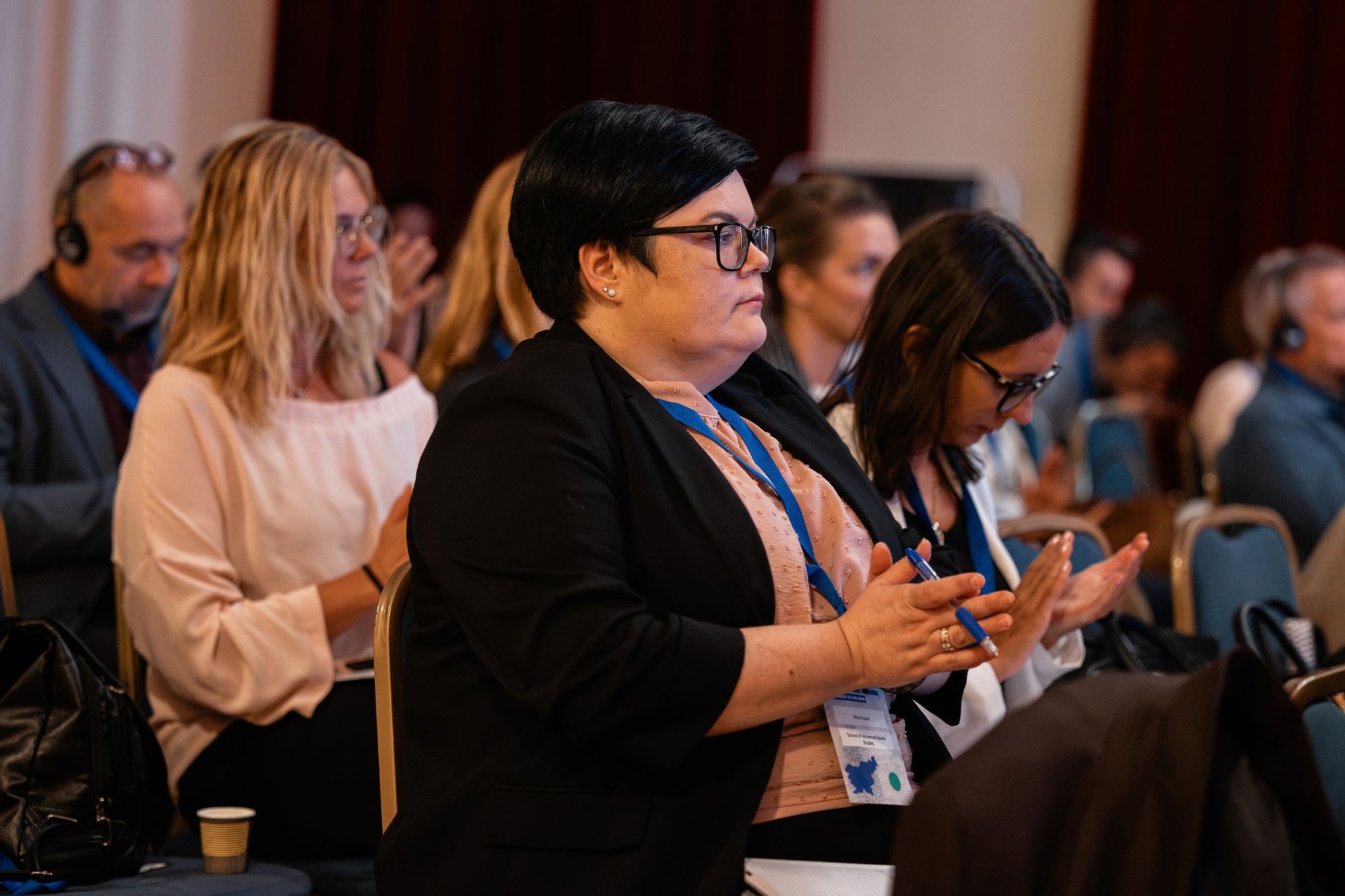
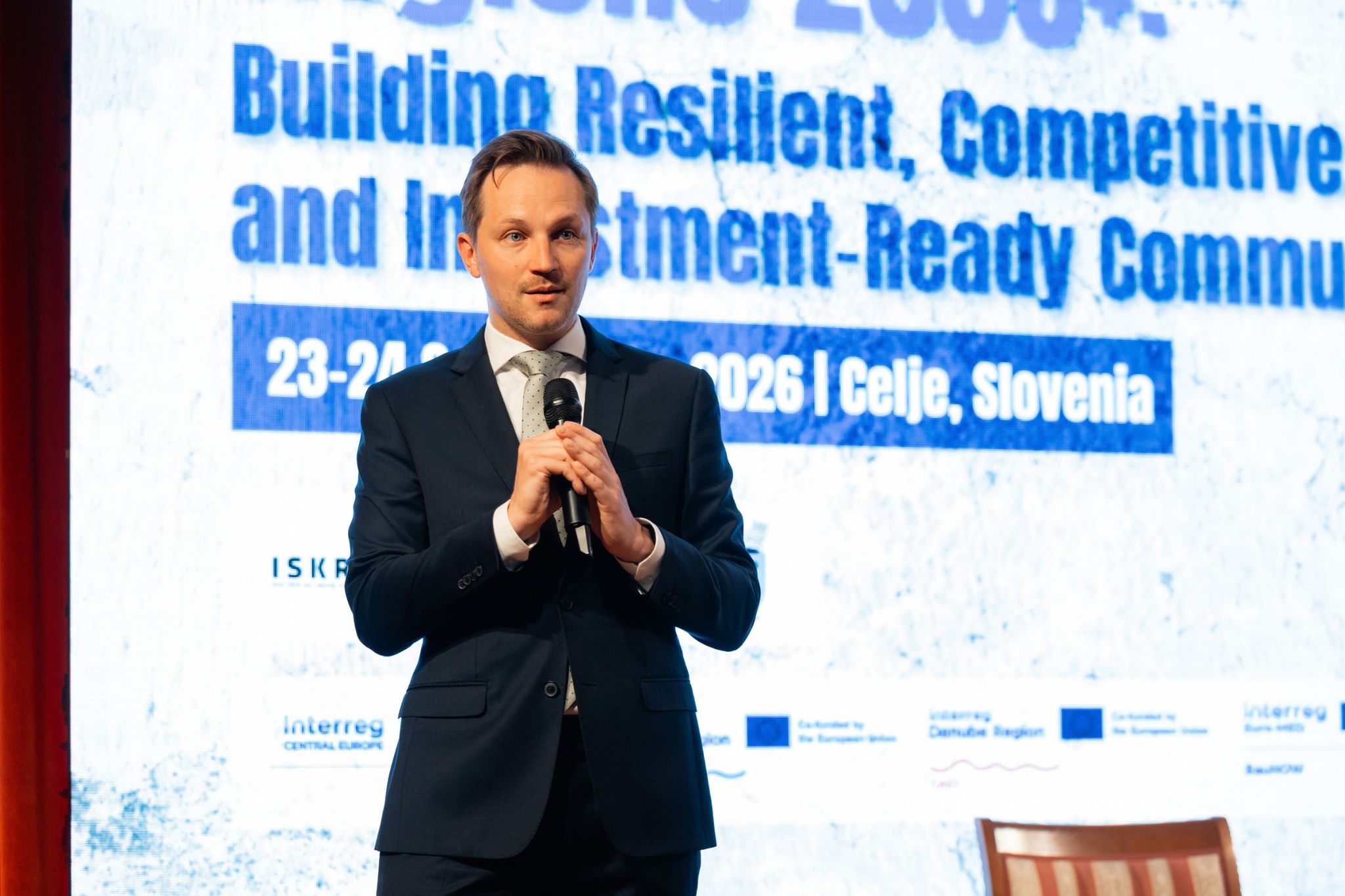
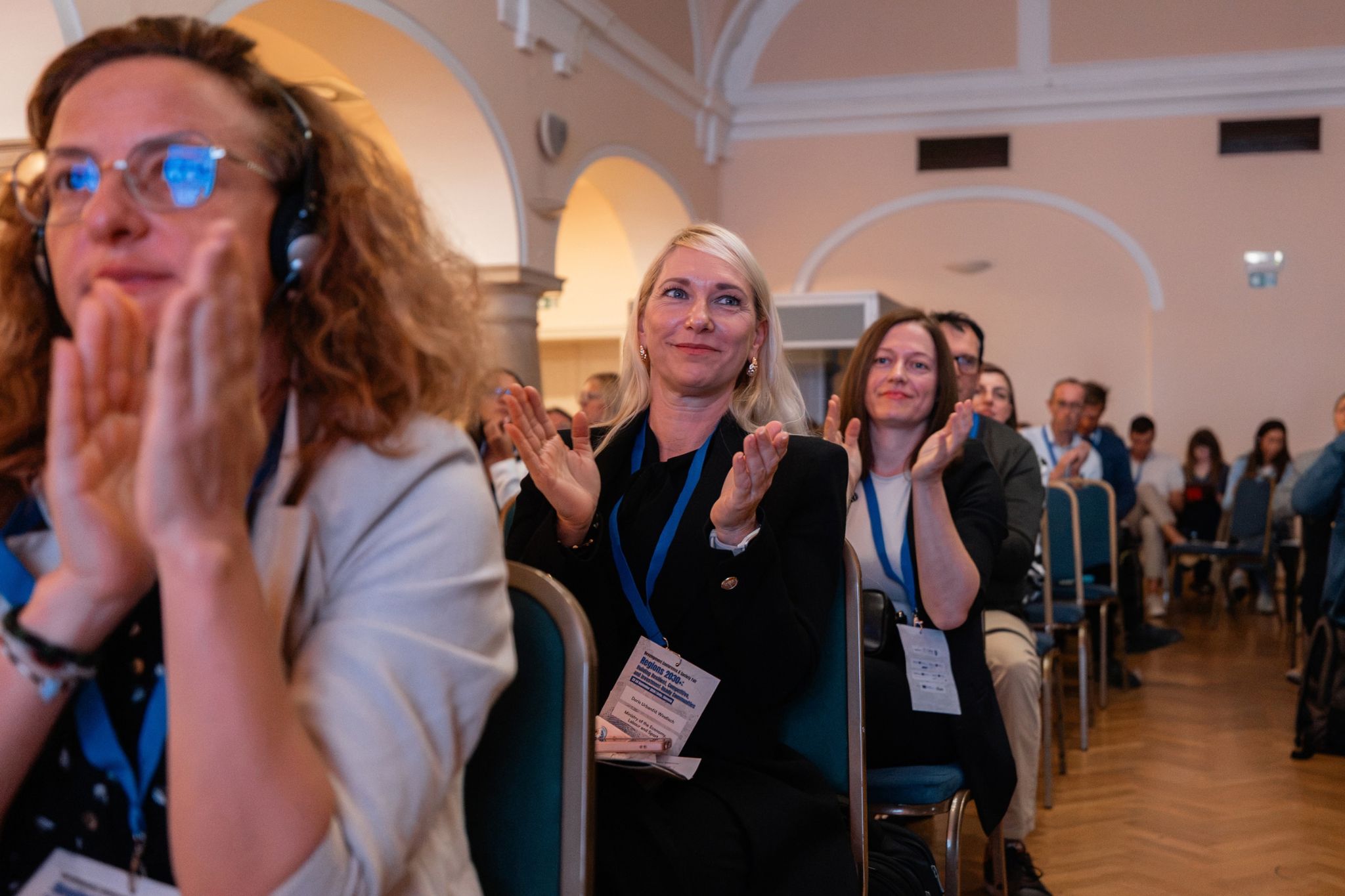
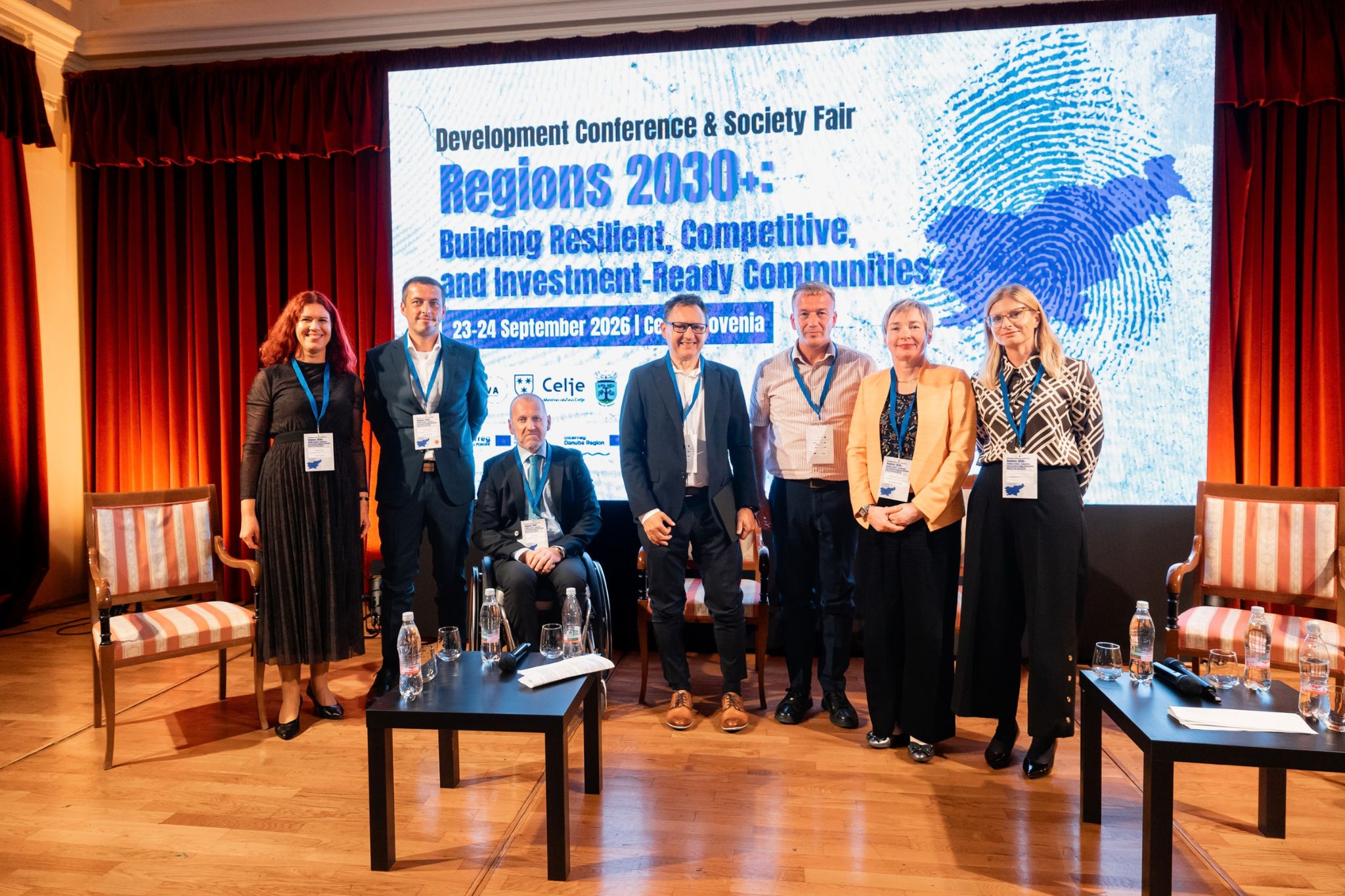
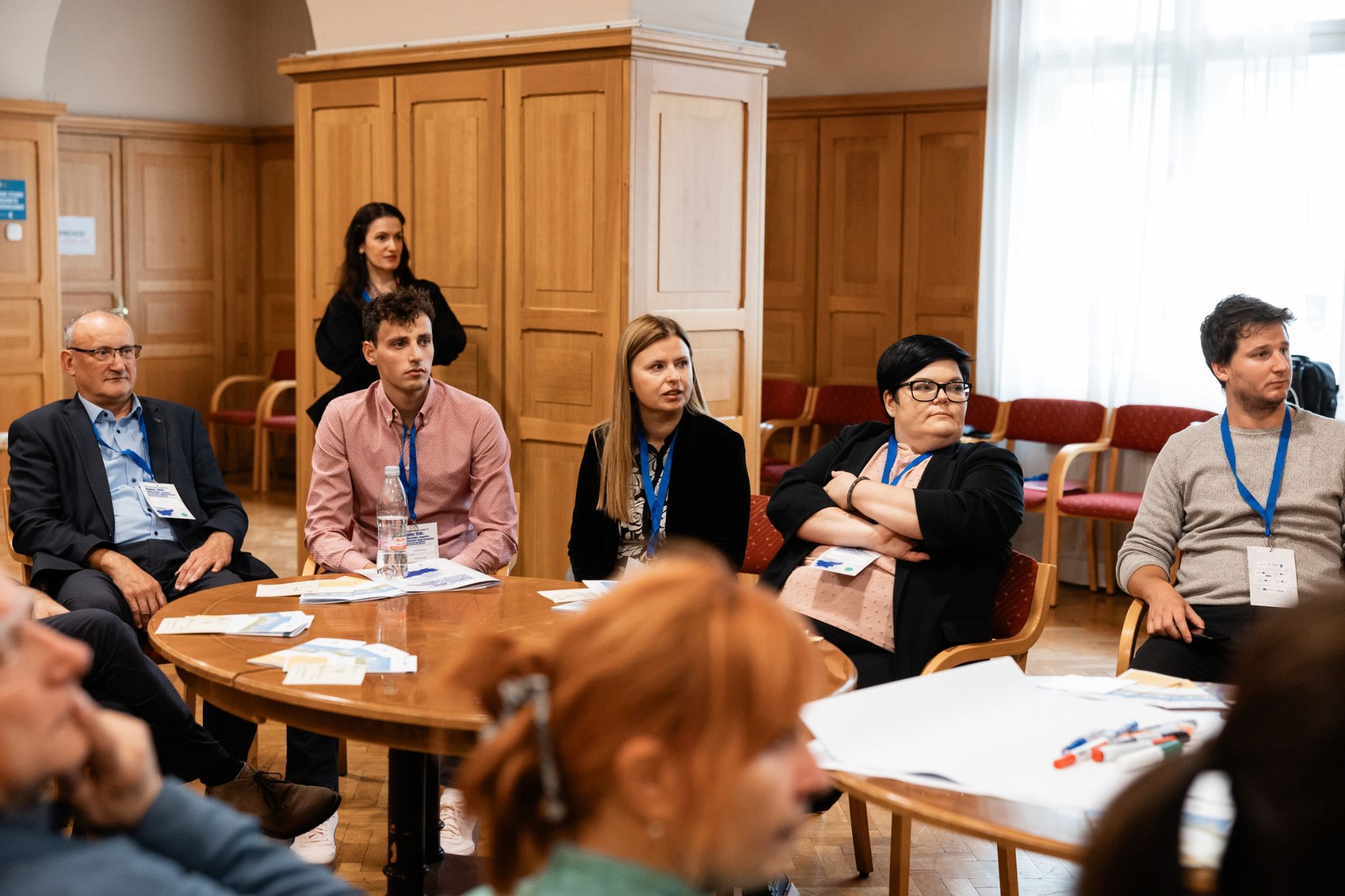
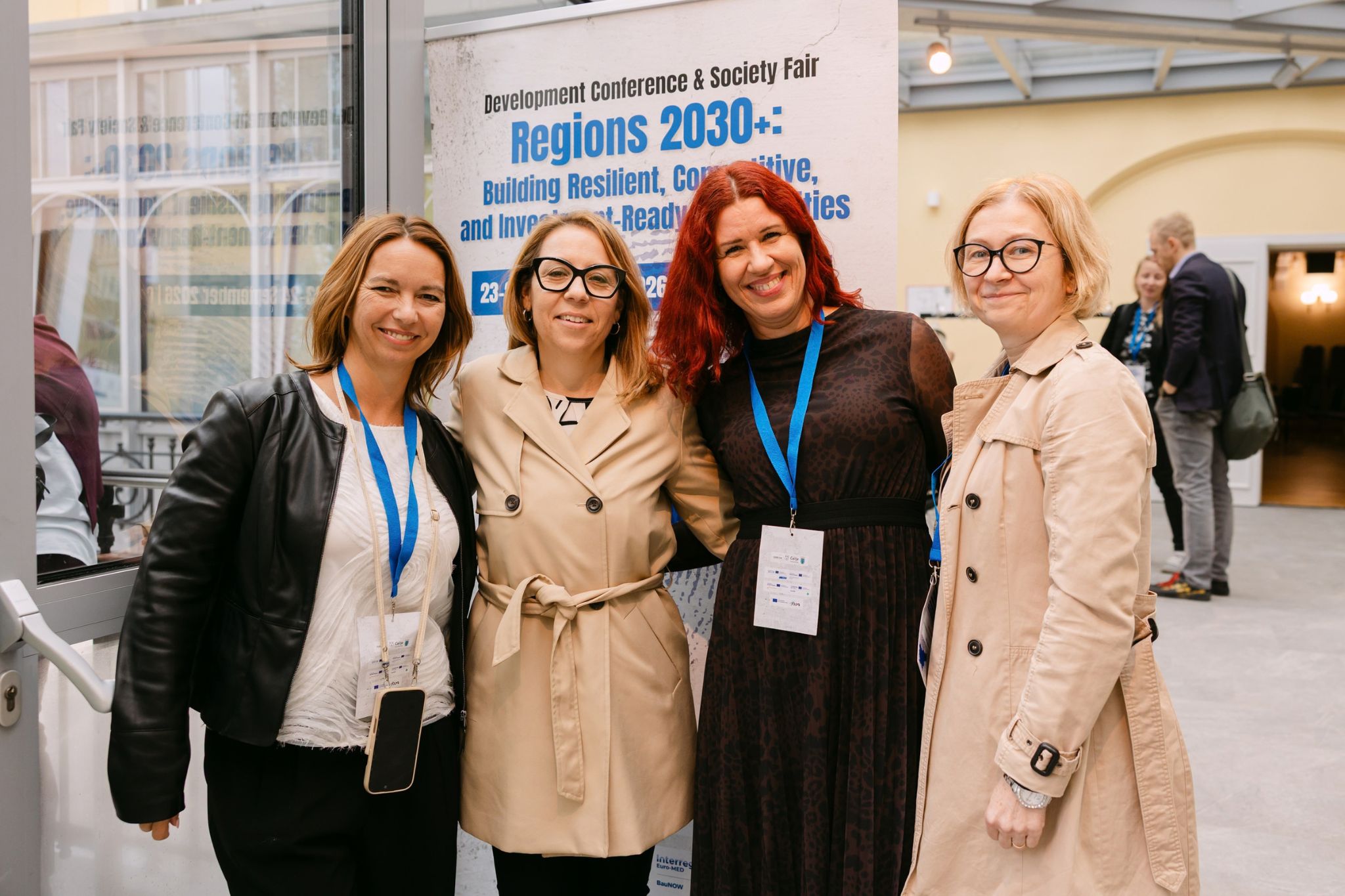
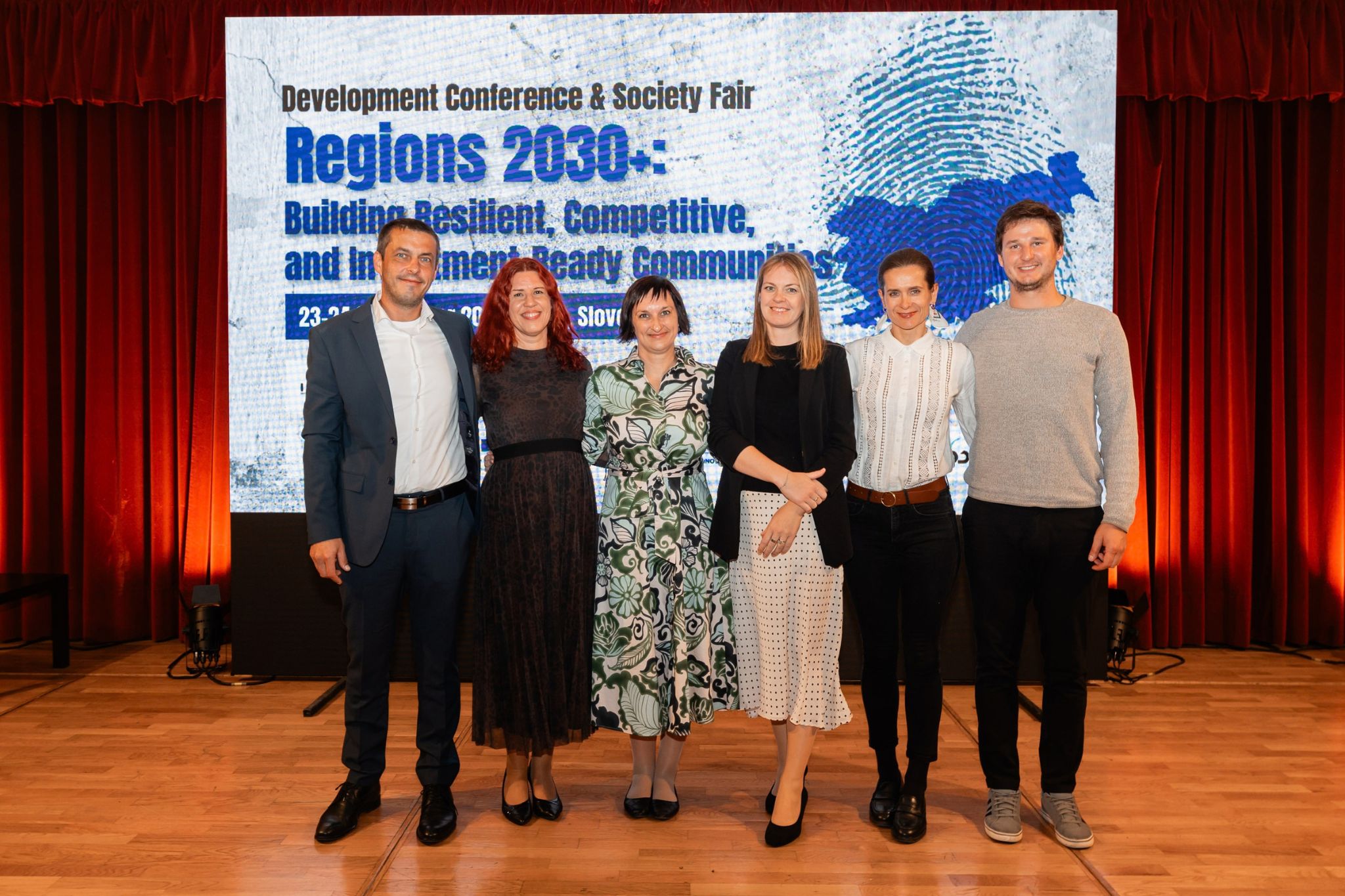
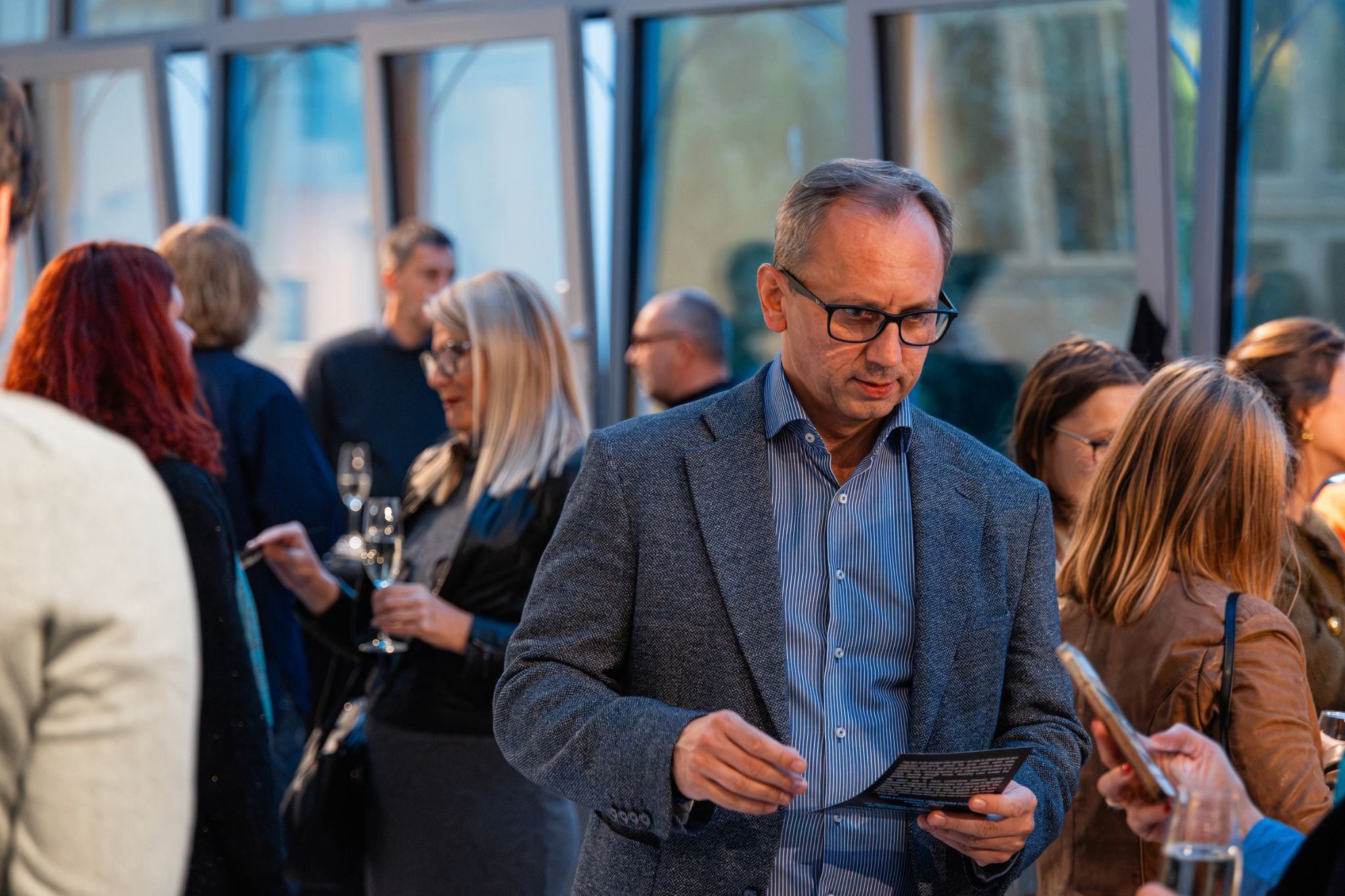
Celje, 24 September 2026 – The future development of regions will depend on their ability to turn concrete local challenges into long-term, sustainable solutions built around clear priorities and by bringing together people, knowledge, institutions and different sources of funding. This was one of the key messages of the international development conference “Regions 2030+: Building Resilient, Competitive and Investment-Ready Communities?”, held in Celje on 23 and 24 September 2026 and co-organised by Iskriva Institute, the City Municipality of Celje and the Municipality of Sevnica. The conference brought together more than 100 participants from Slovenia and abroad representing regional development, local government, business, public institutions, research and civil society. It also highlighted the changing rules of regional development and explored what the European Union’s new 2028–2034 financial perspective will mean for regions, municipalities and other development stakeholders.
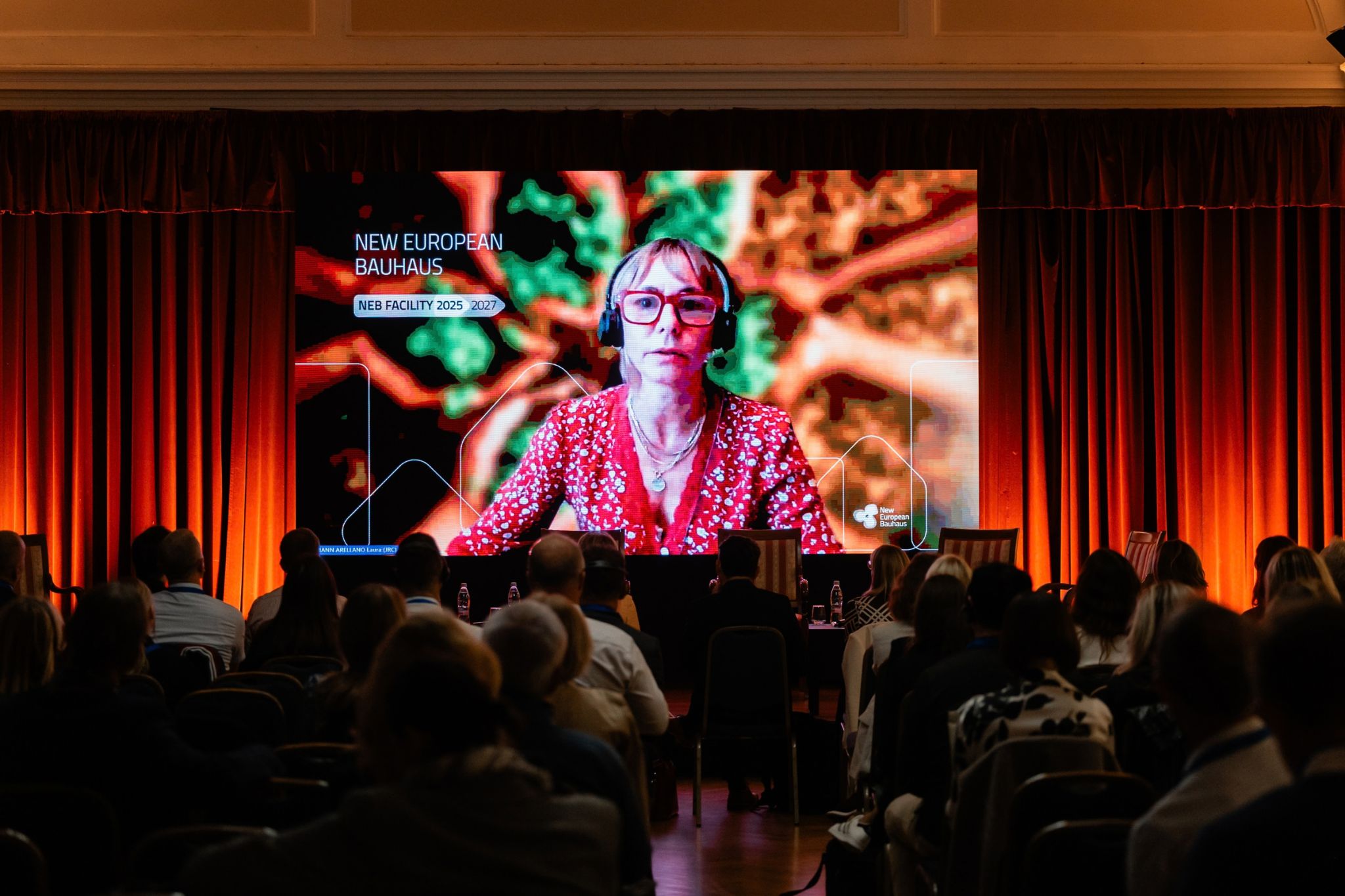
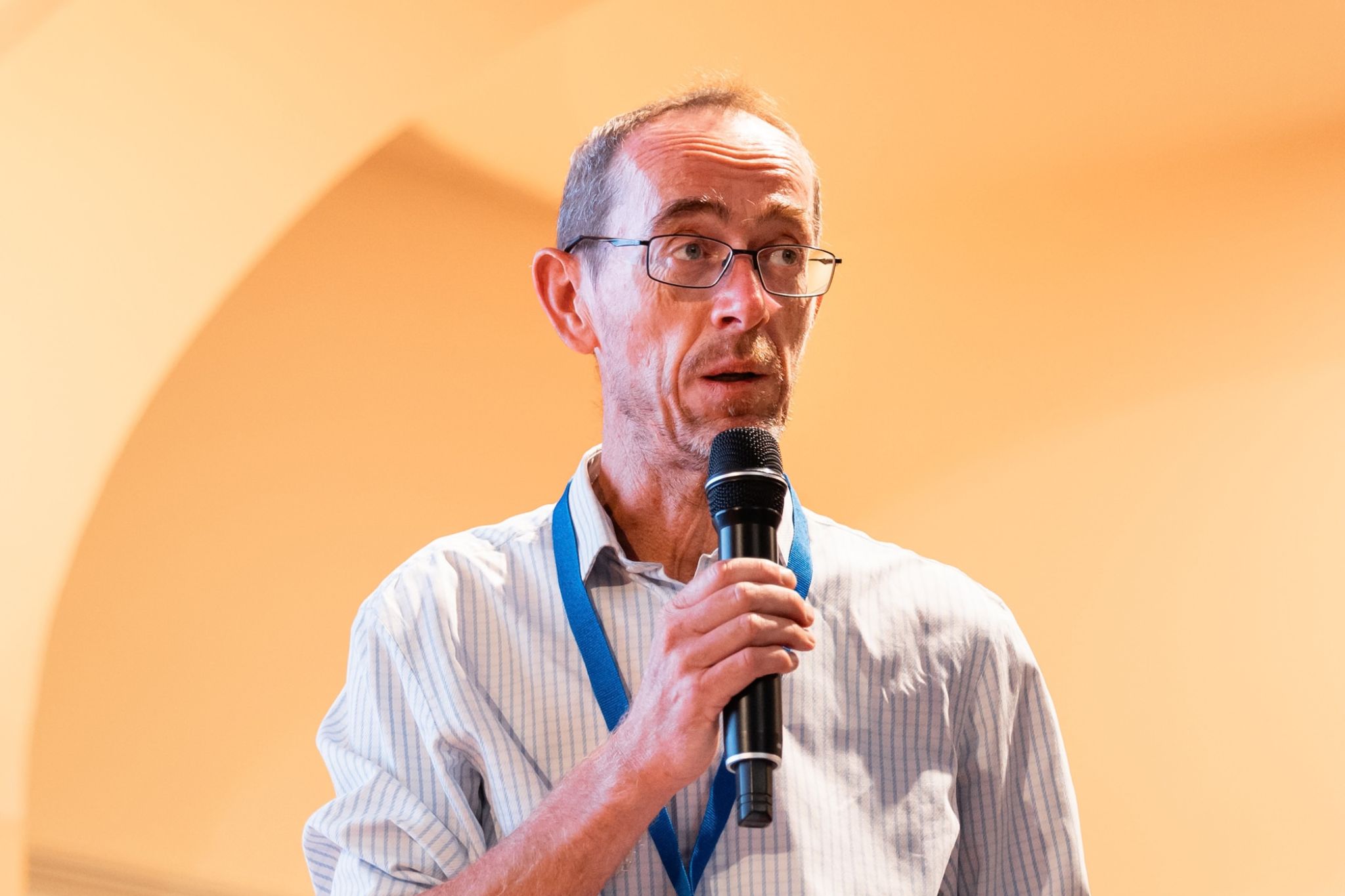
In her opening address, Laura Hagemann-Arellano, Policy Officer of the New European Bauhaus at the European Commission, highlighted the need to move away from individual projects towards solutions that can be connected, scaled up and deliver a broader impact. Key to this will be the right skills and competences, both technical expertise and the ability to turn a good idea into a feasible, fundable project, as well as better transfer of successful solutions between regions.
The need to focus development on impact rather than simply on spending was also emphasised by Matija Kovač, Mayor of the City Municipality of Celje. Alongside investment in infrastructure and other projects, he said, it will become increasingly important to consider how to attract and retain people, young people, knowledge and entrepreneurial ideas, thereby building resilient communities. Celje is strengthening cooperation with research and other partners, including through measures aimed at increasing climate resilience.
The New Financial Perspective Calls for More Dialogue and Greater Preparedness
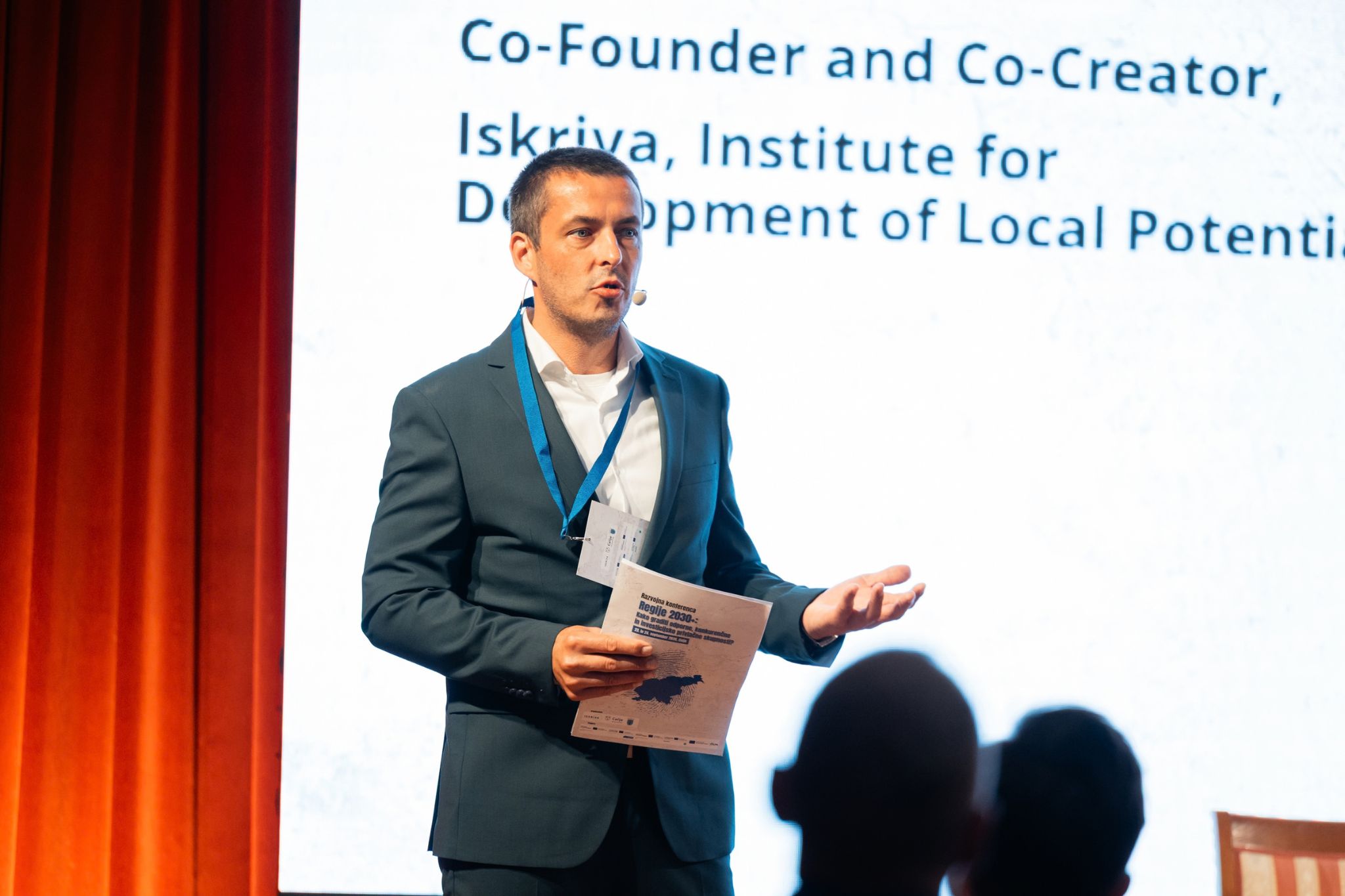
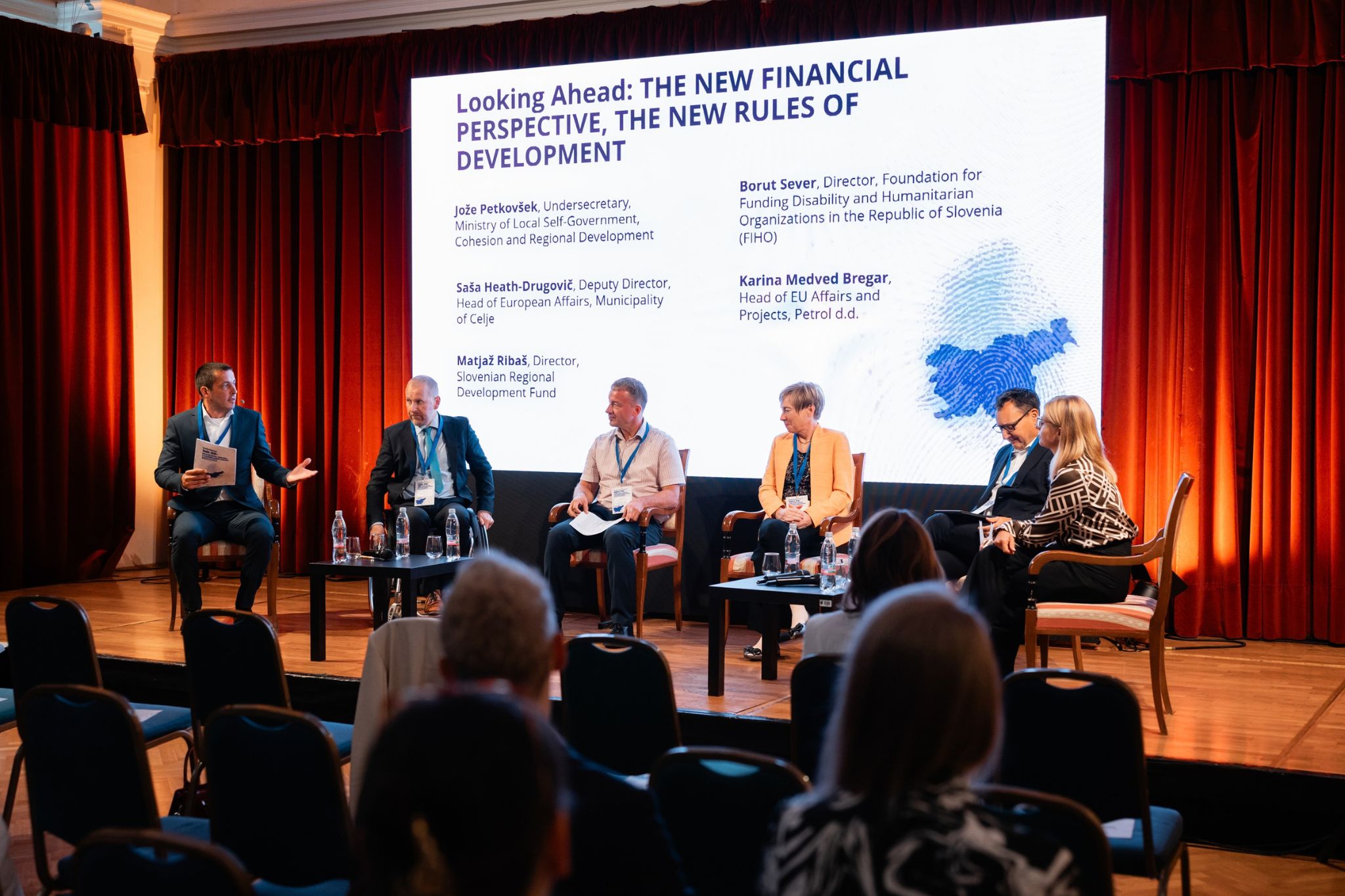
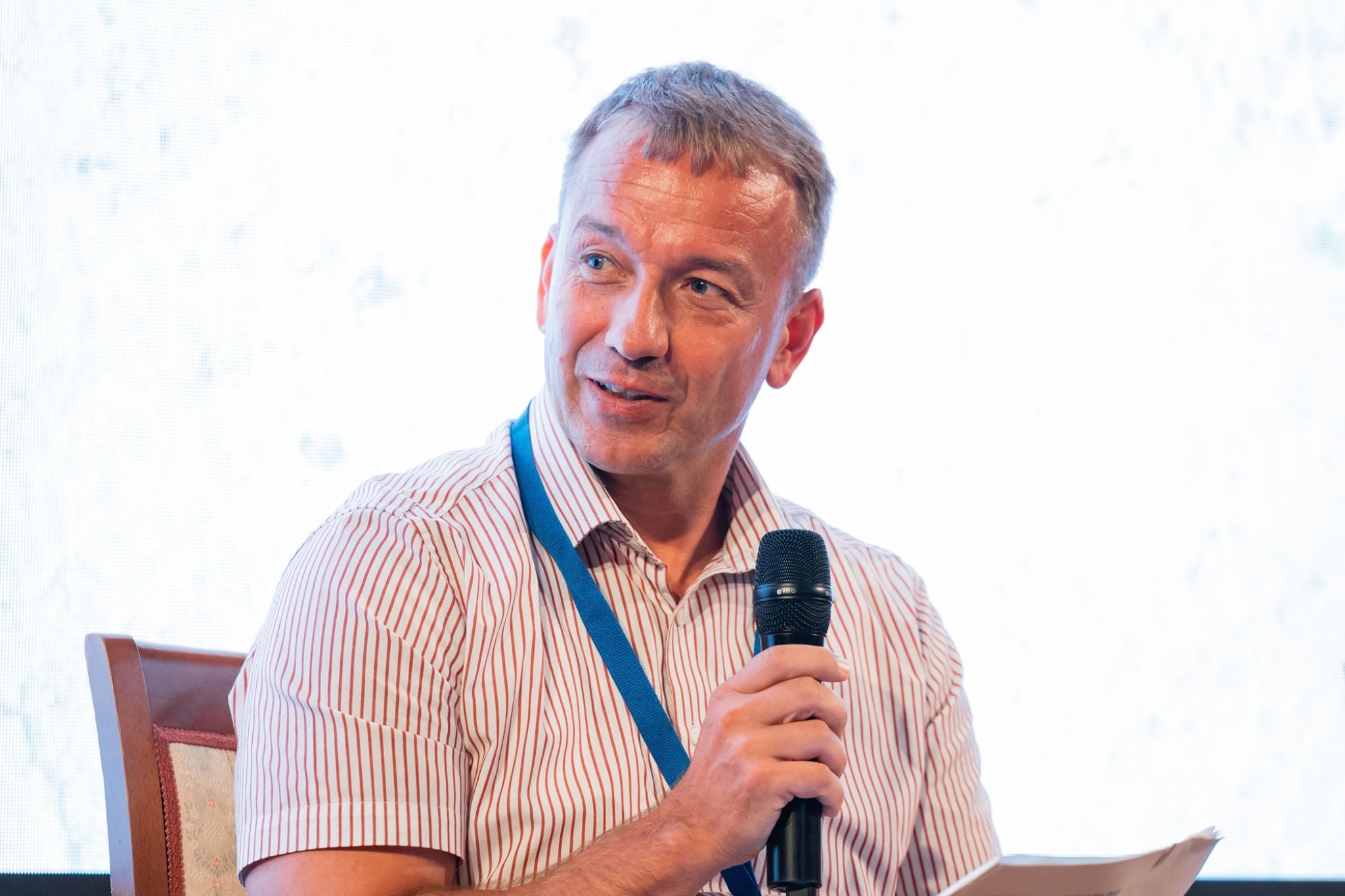
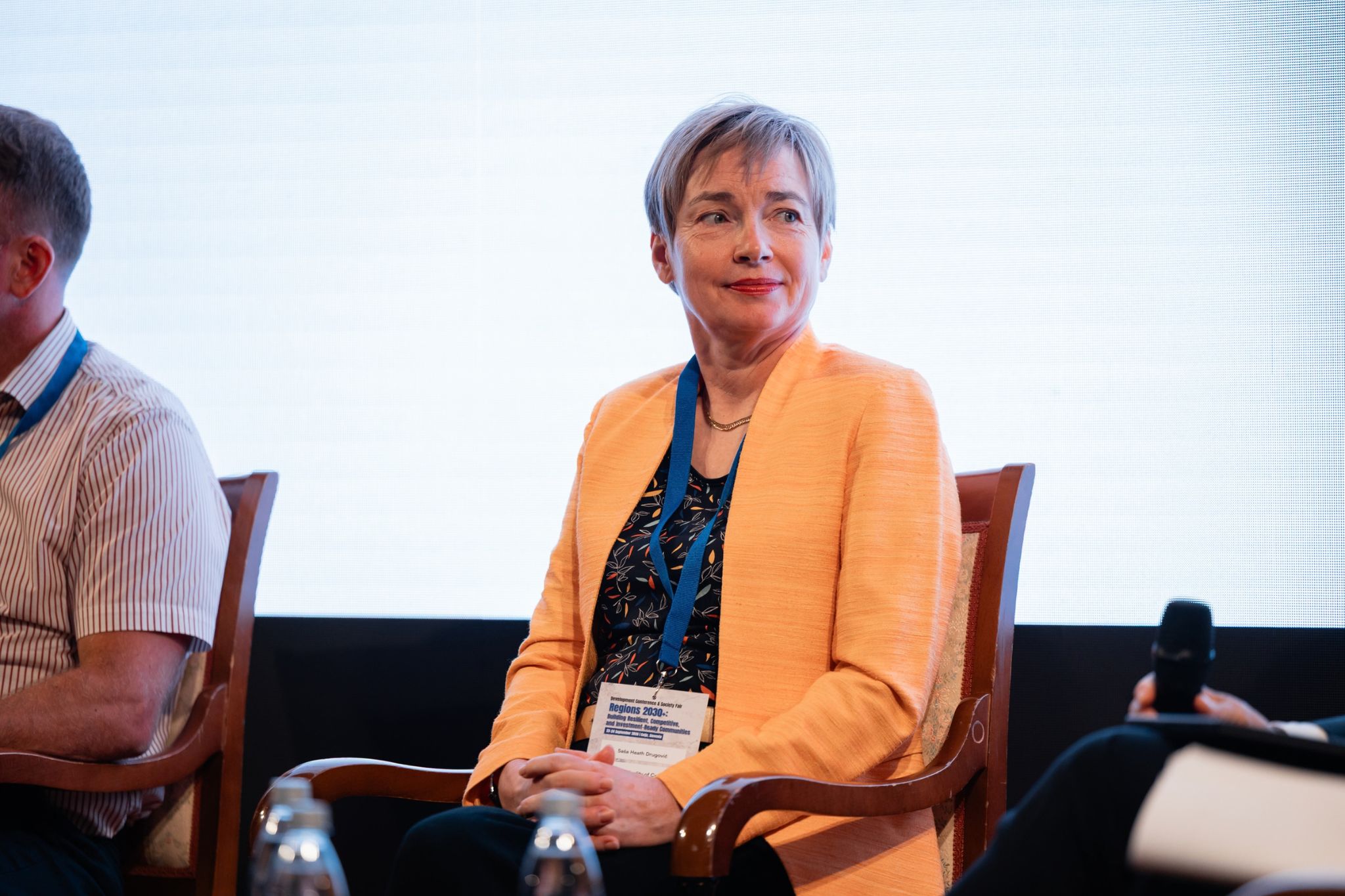
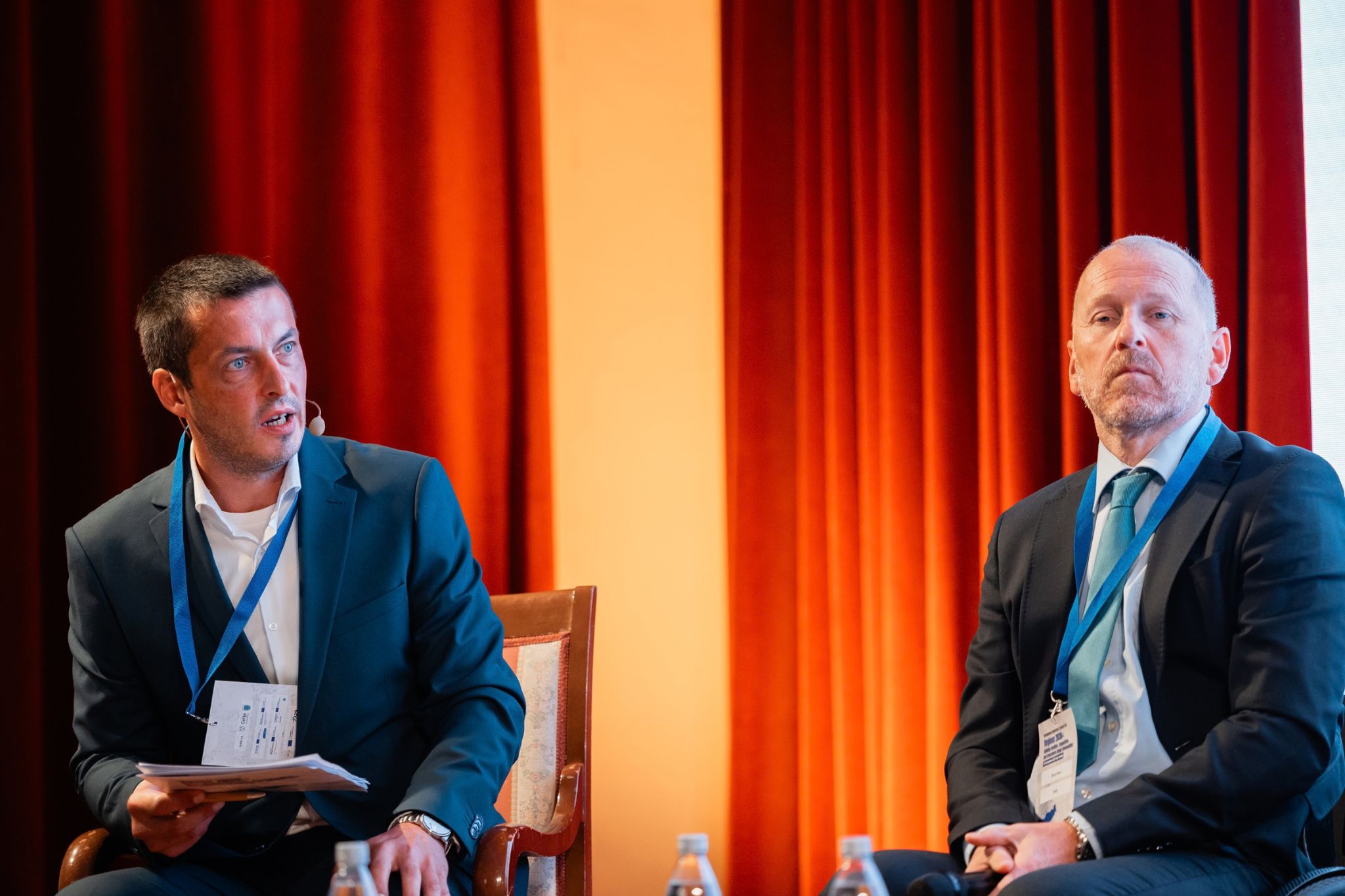
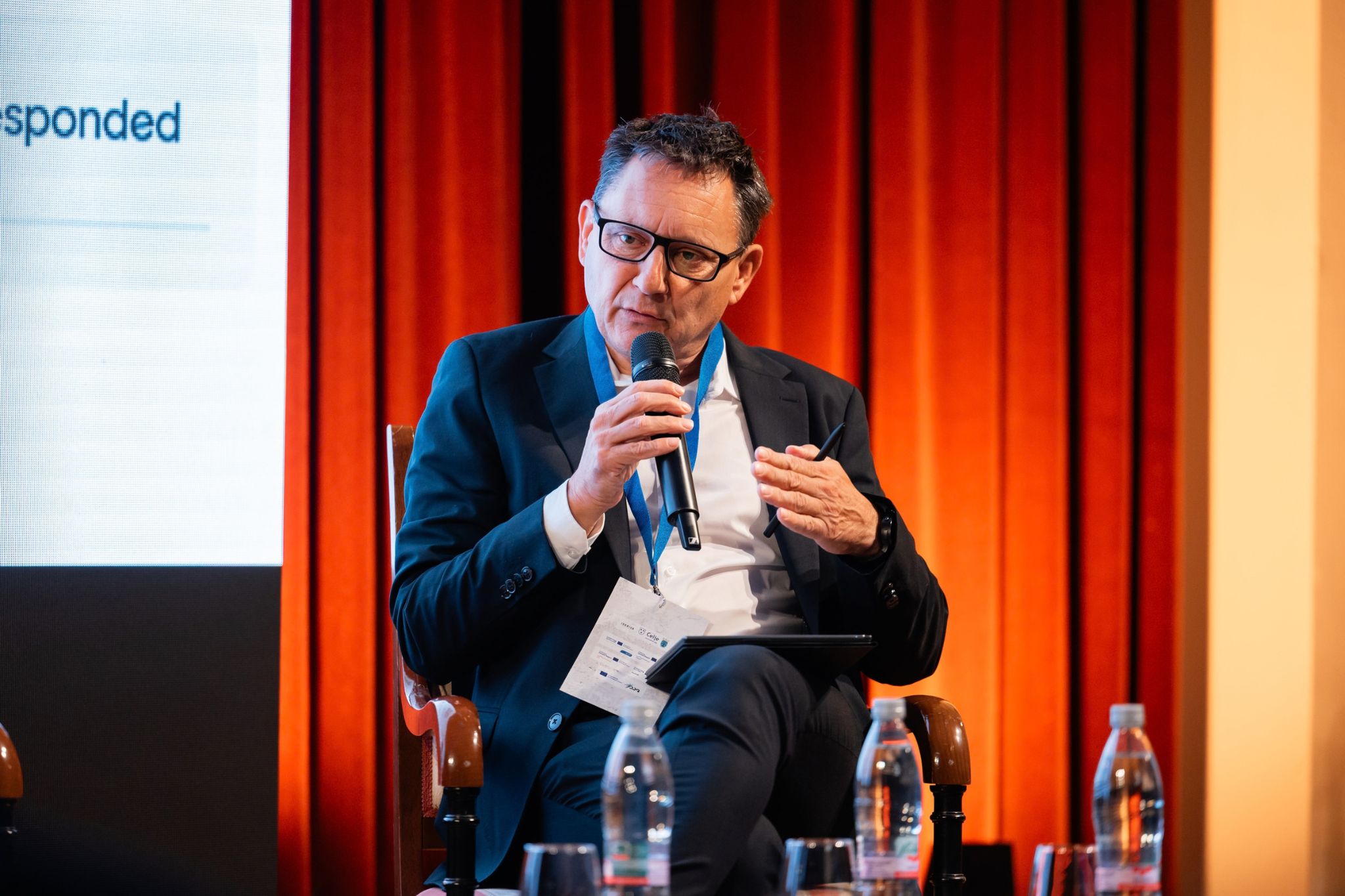
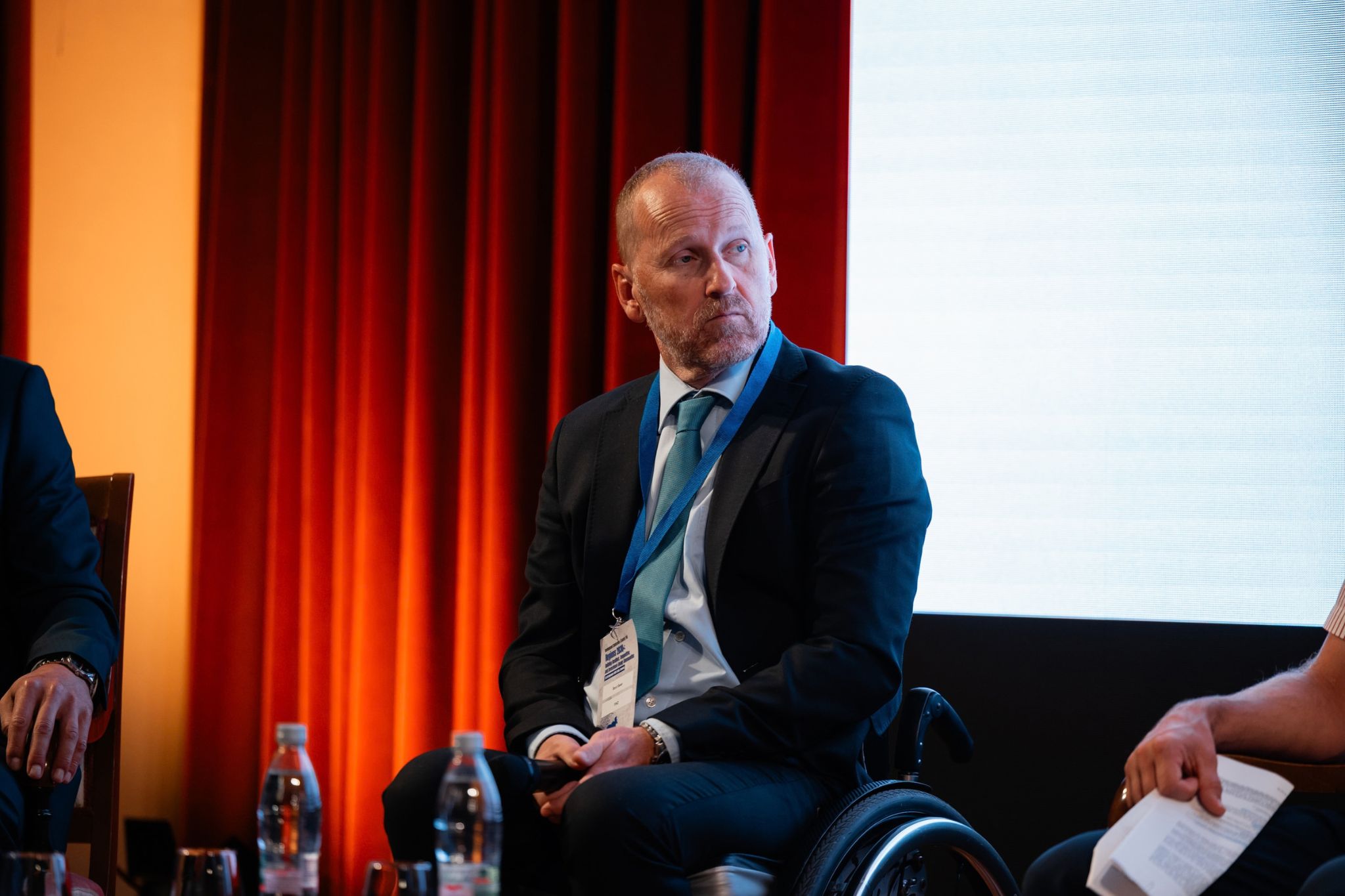
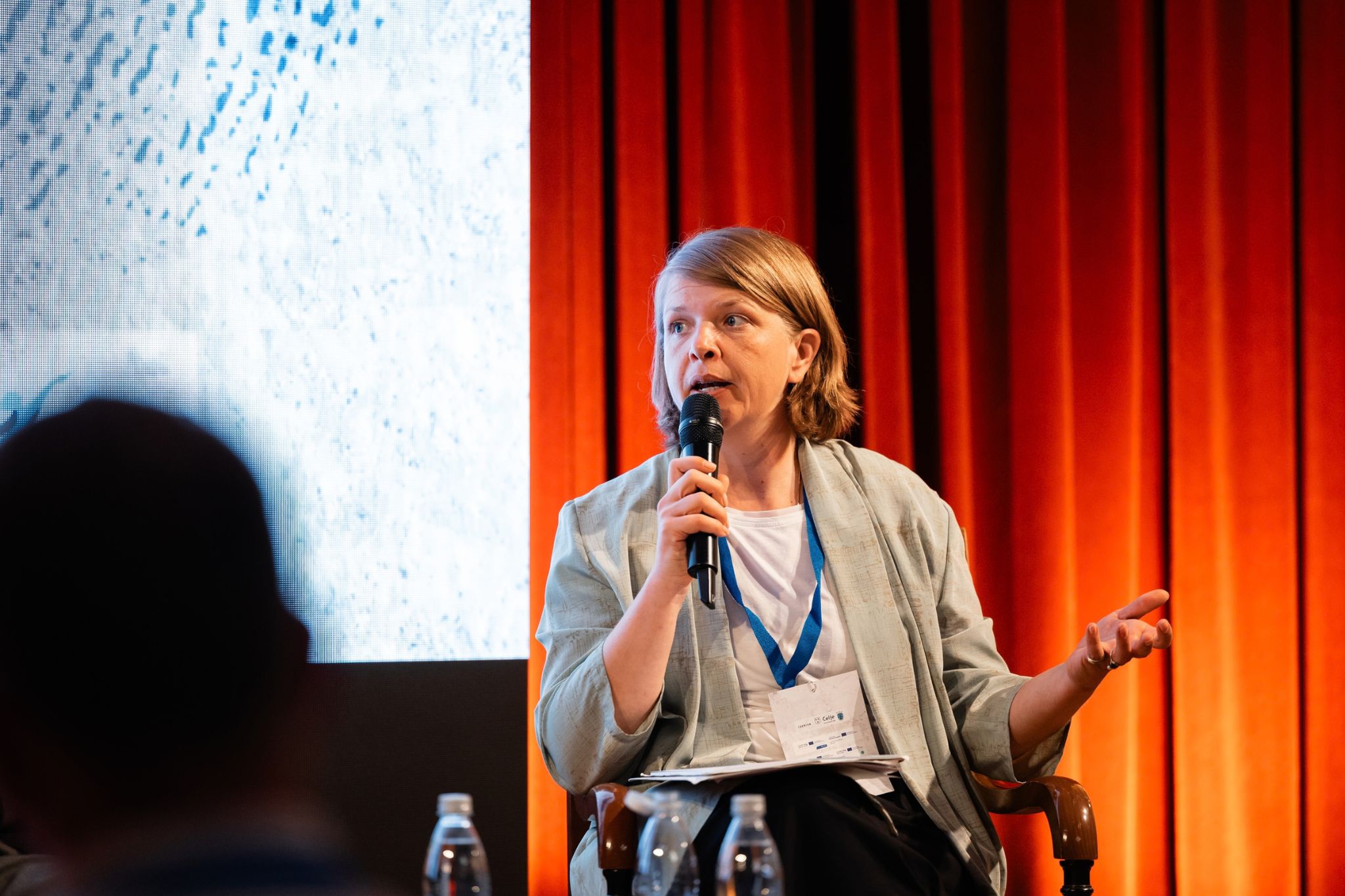
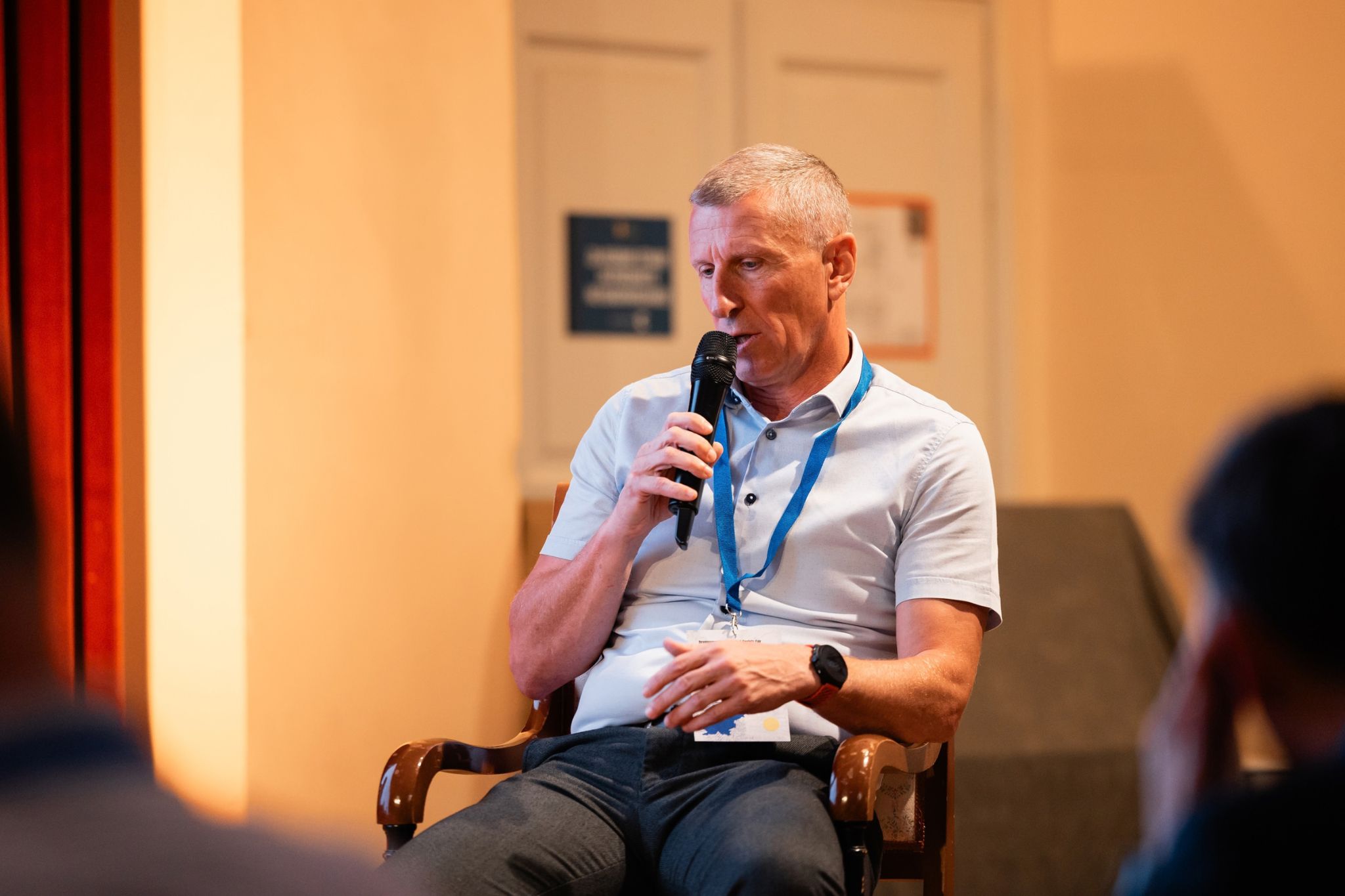
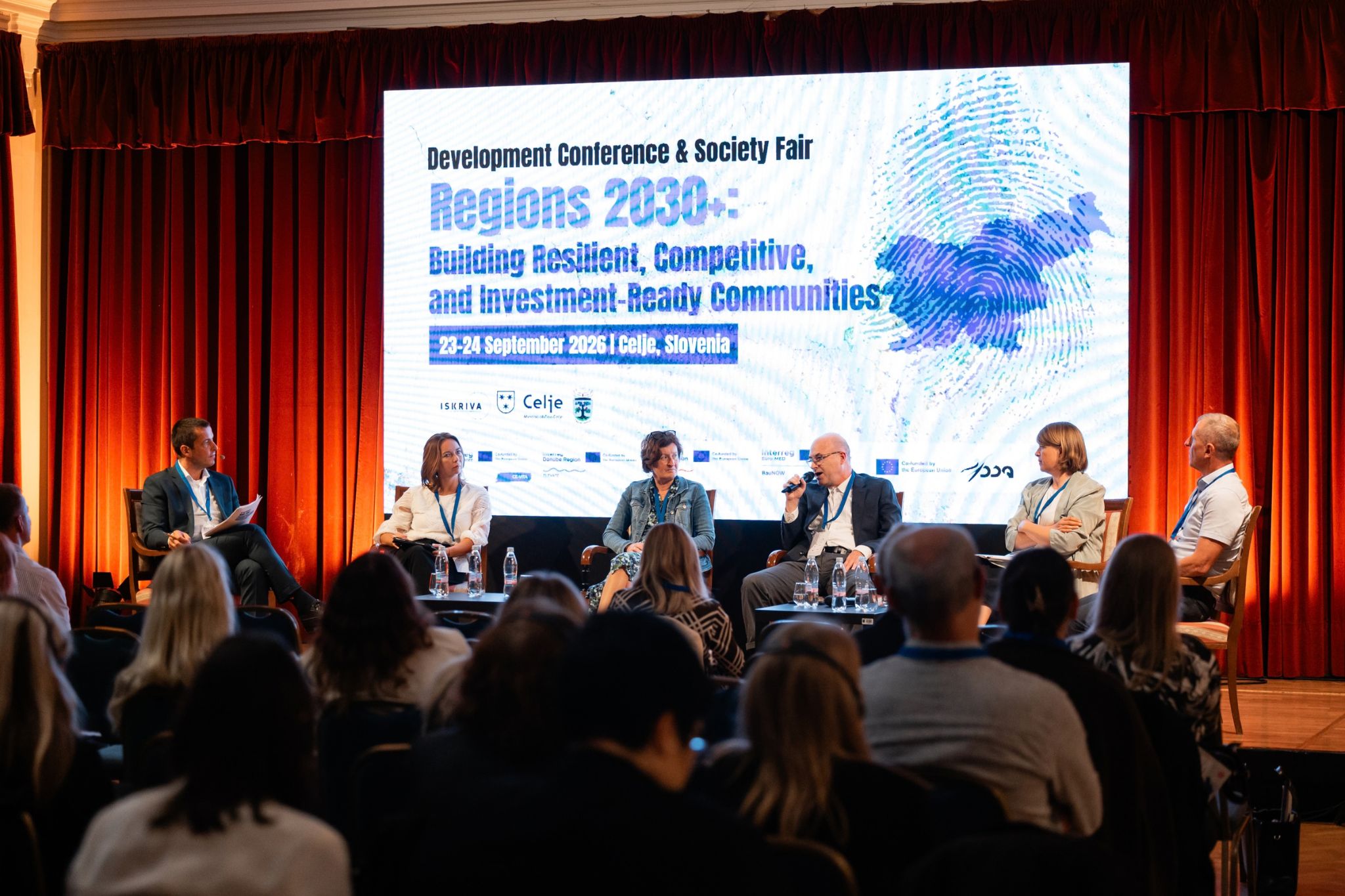
The opening discussion, “Looking Ahead: The New Financial Perspective, the New Rules for Development”, brought together Jože Petkovšek, Undersecretary at the Ministry of Cohesion and Regional Development; Saša Heath-Drugovič, Deputy Director for European Affairs at the City Municipality of Celje; Matjaž Ribaš, Director of the Slovene Regional Development Fund; Borut Sever, Director of FIHO; and Karina Medved Bregar, Head of European Affairs and Projects at Petrol. The discussion was moderated by Zdravko Kozinc, Co-founder and Co-creator of the Iskriva Institute.
A key message of the discussion was that regions need to take a more active role in shaping future development policies. They need to clearly define their needs and proposals already during the programming phase and follow the process from the European to the national level. At the same time, it will become increasingly important for project objectives to be concrete and their impacts measurable.
Alongside clear priorities and long-term impact, projects will increasingly need to demonstrate competitiveness, financial sustainability and a clear and robust business model that can ensure their long-term operation beyond the end of funding. The discussion also highlighted the need for more predictable procedures, reduced administrative burdens and greater use of digital solutions.
Key development priorities discussed included climate resilience, housing, sustainable mobility, energy, accessibility, and attracting and retaining people, knowledge and talent. Cooperation was recognised as a fundamental prerequisite for successful regional development.
From Strategy to Practice: Solutions Emerge When People Connect
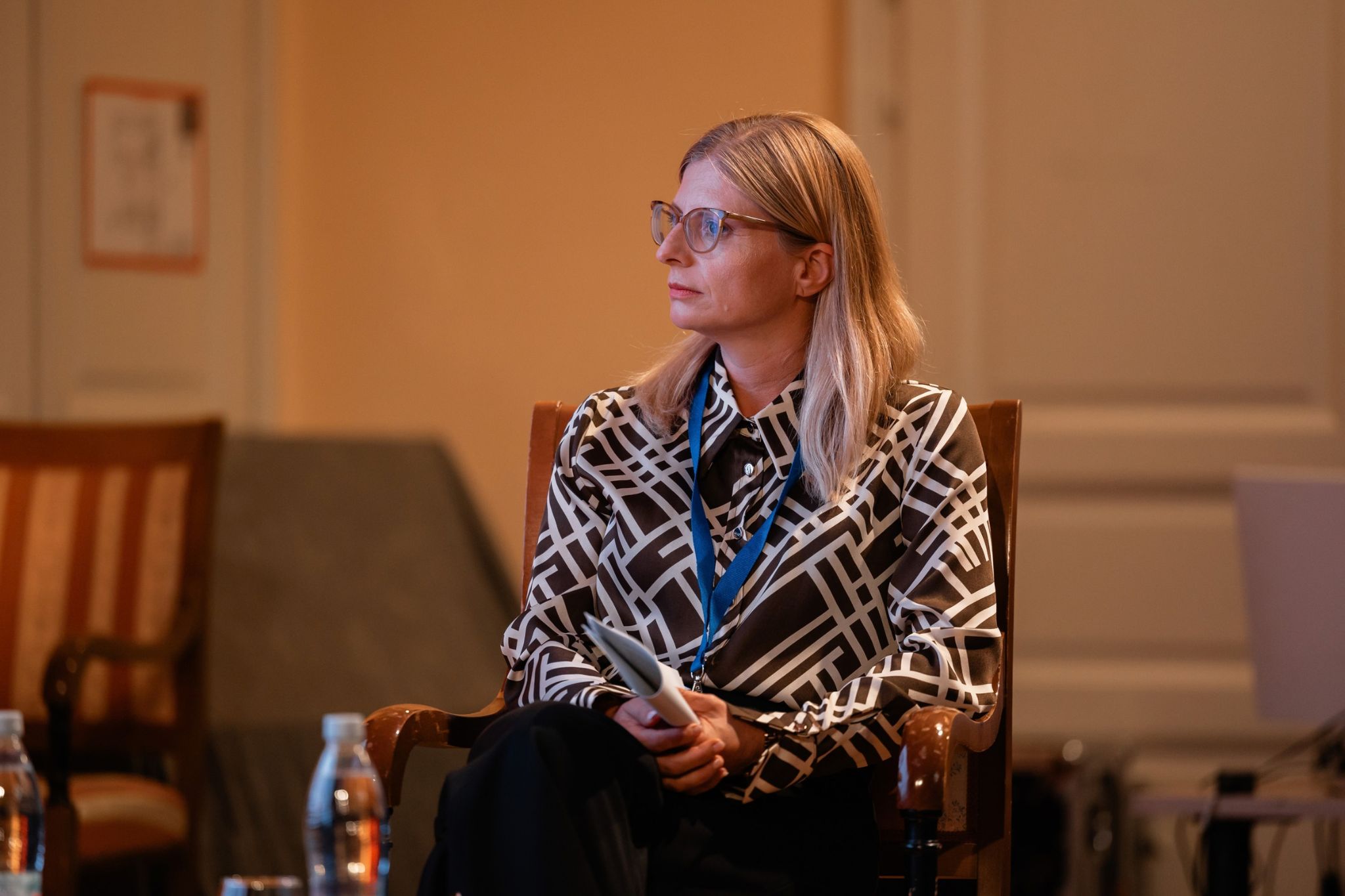
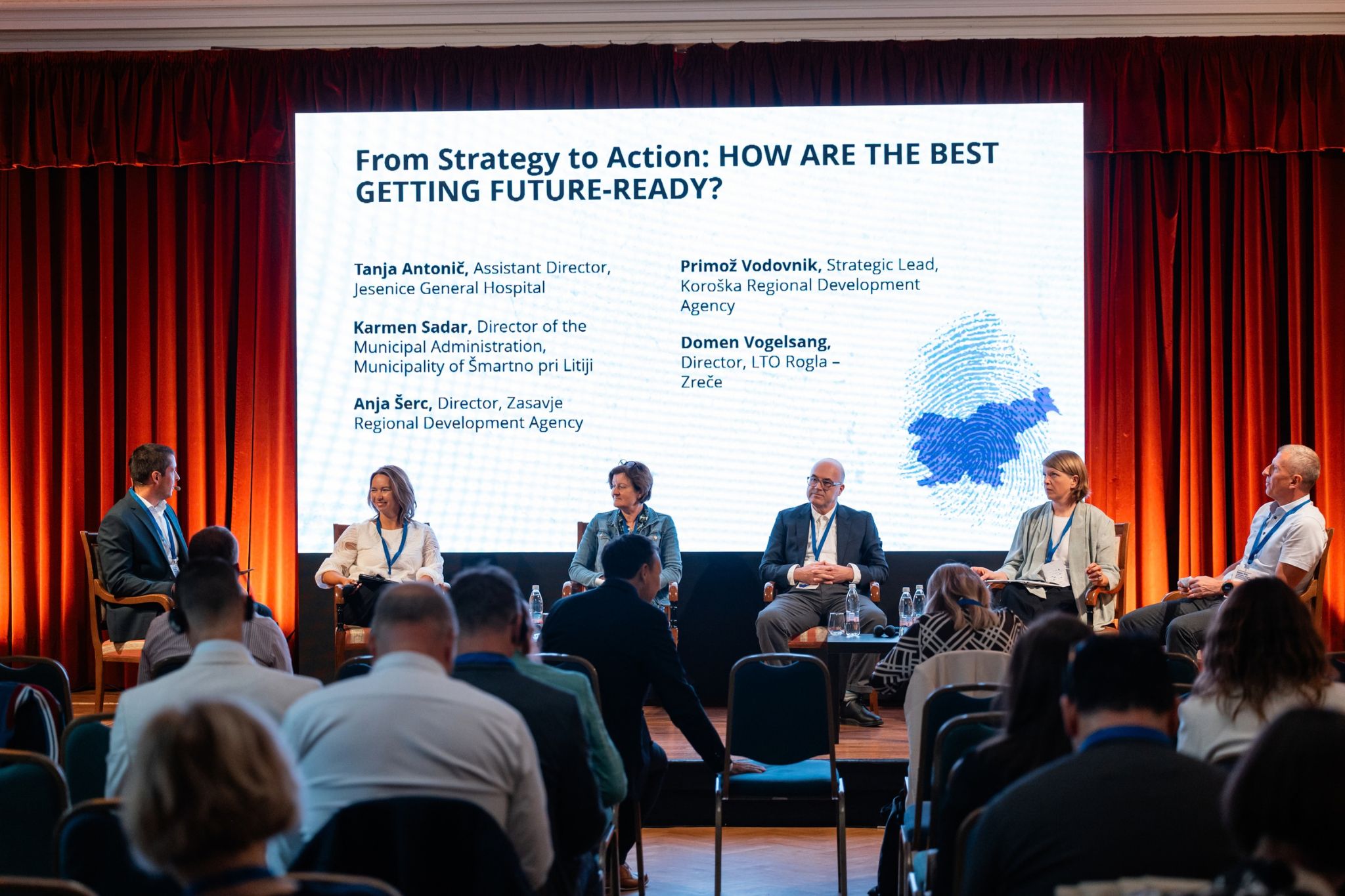
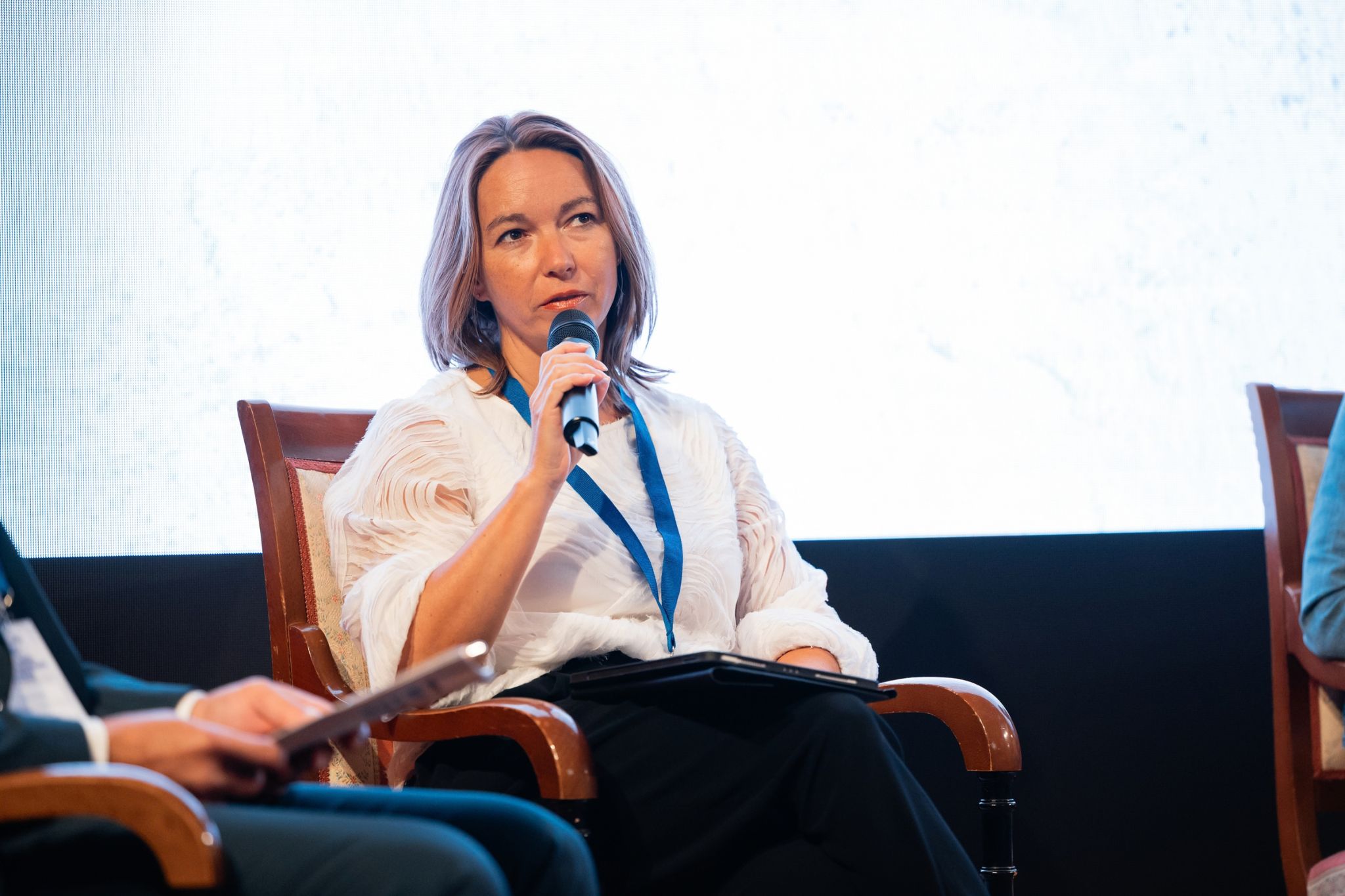
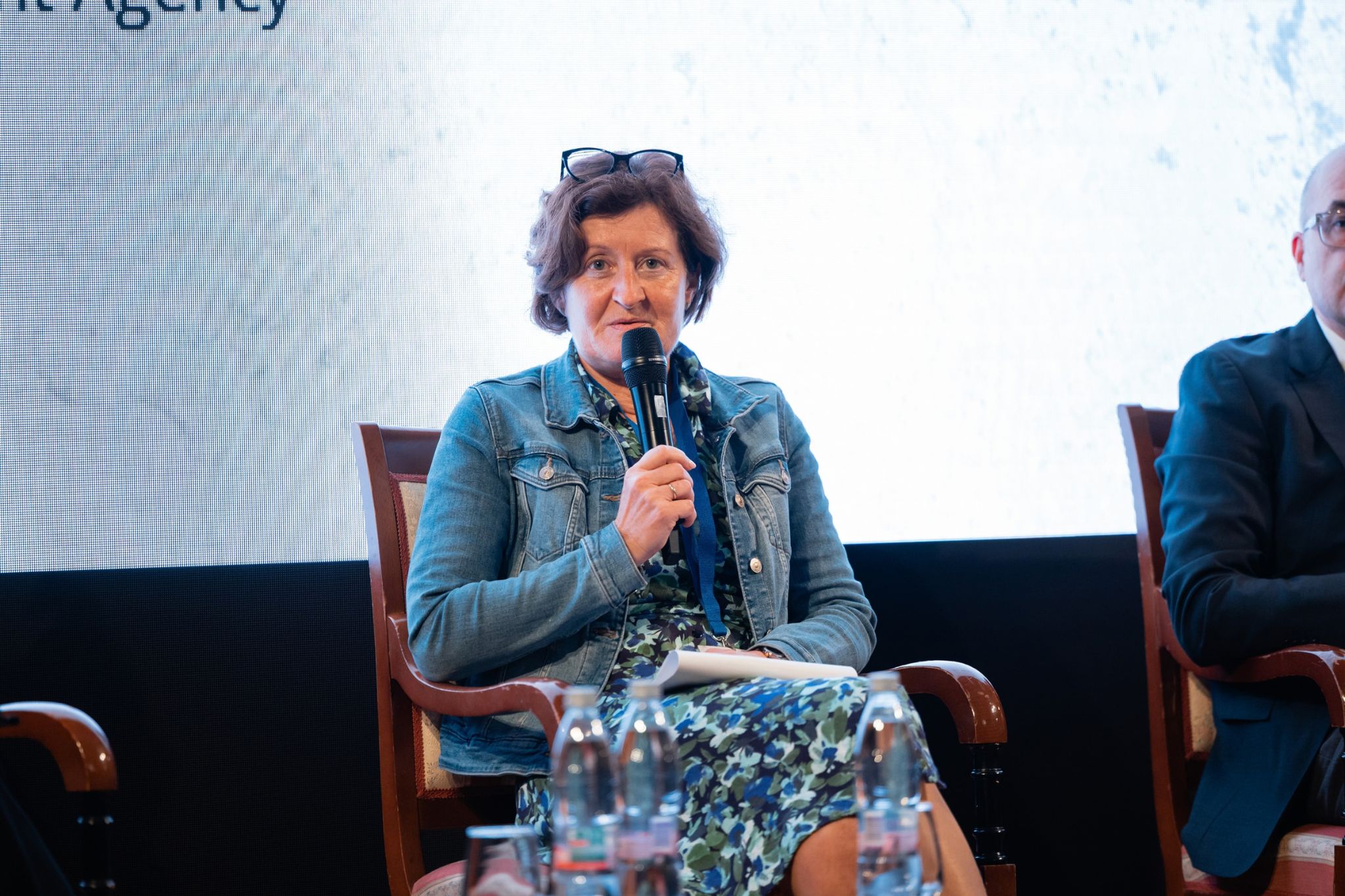
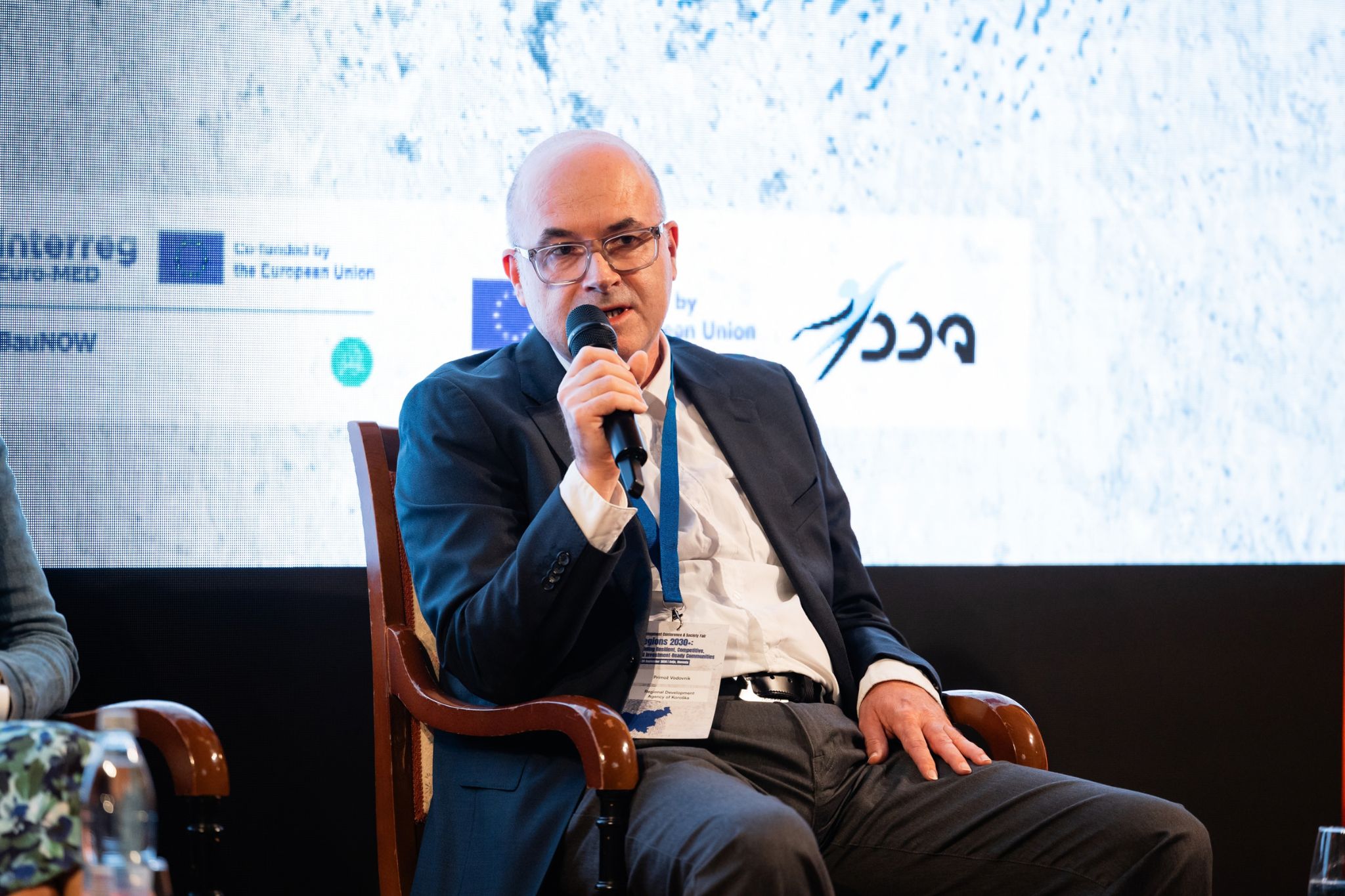
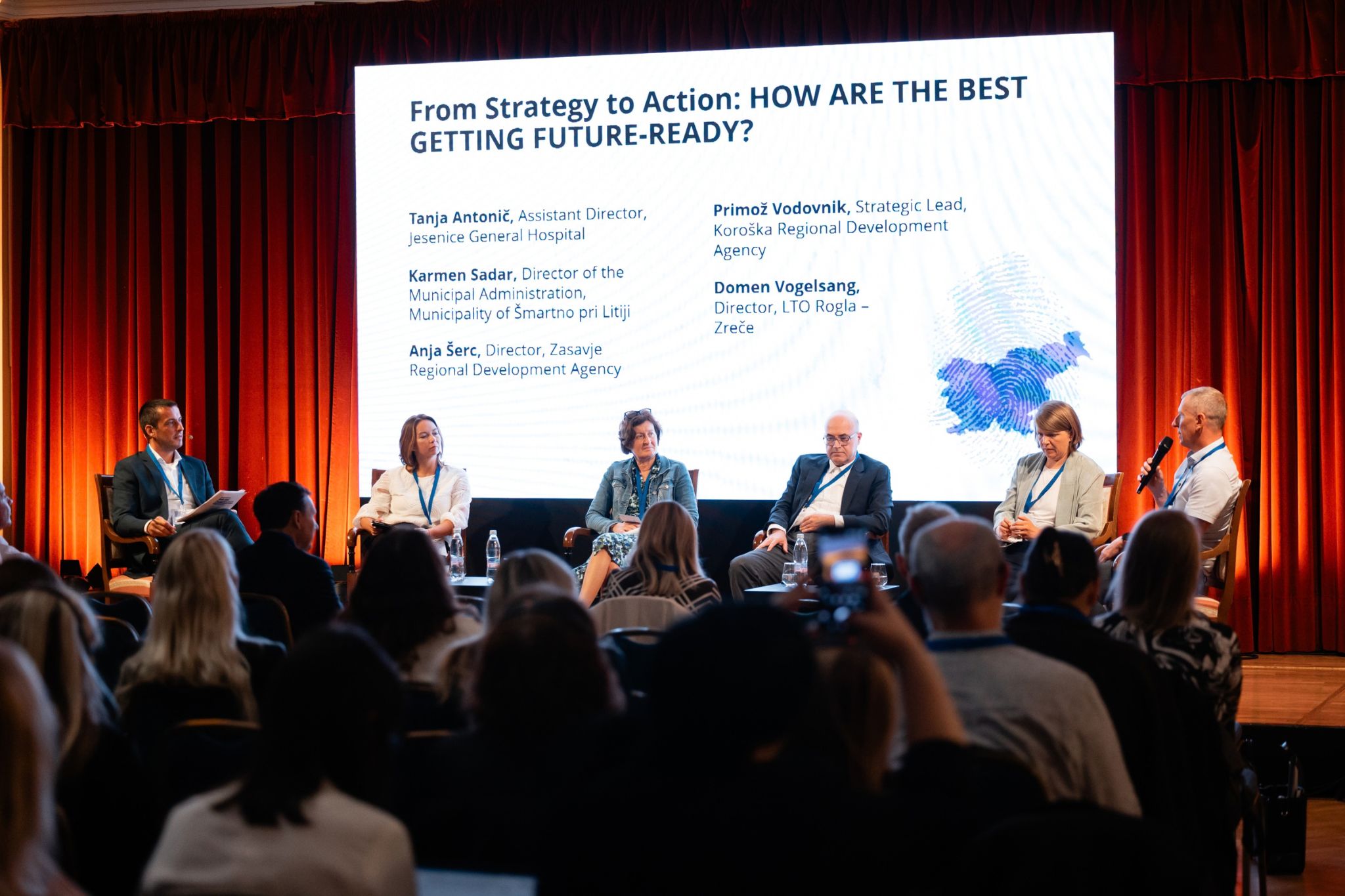
The discussion “From Strategy to Action: How Are the Best Getting Future-Ready?” translated the strategic perspective into concrete experiences from different local and regional environments. Participants included Tanja Antonič, Assistant Director for General and Business Affairs at Jesenice General Hospital; Karmen Sadar, Director of the Municipal Administration of the Municipality of Šmartno pri Litiji; Anja Šerc, Director of the Zasavje Regional Development Agency; Primož Vodovnik, Strategic Lead at the Koroška Regional Development Agency; and Domen Vogelsang, Director of LTO Rogla-Zreče.
Examples from healthcare, local government, regional development and tourism demonstrated that resilience is built around concrete local needs and through long-term cooperation. The CE-VITA project brings together healthcare providers, local communities and other institutions to develop a model of support for patients after they are discharged from hospital. In the field of stroke rehabilitation, it is also testing new ways of connecting healthcare services with digital solutions that enable faster and more personalised rehabilitation. In Šmartno pri Litiji, a support network for older people is being developed, with primary school pupils also involved. Zasavje and Koroška highlighted the importance of recognising local potential, planning for the long term and creating conditions that encourage people to stay in the region. In the Pohorje area, cooperation between several municipalities and different stakeholders, including through the Partnership for Pohorje and the Pohorje Regional Park, is enabling the joint development of year-round tourism while seeking to balance tourism, nature conservation and spatial management. The common message was that competitiveness is not only about the economy. A competitive region must also be healthy, resilient and a high-quality place to live.
From Ideas to Breakthrough Projects
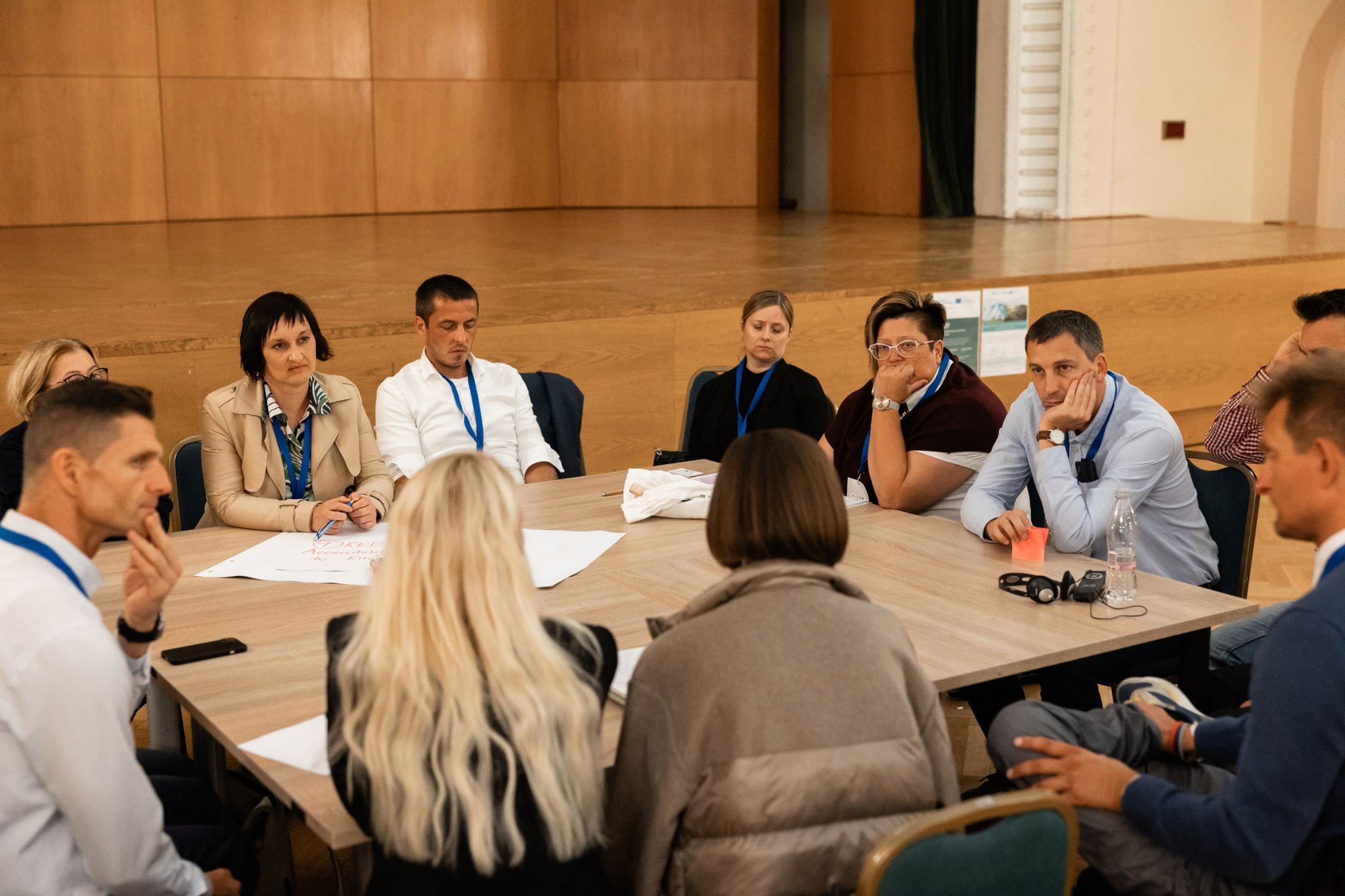
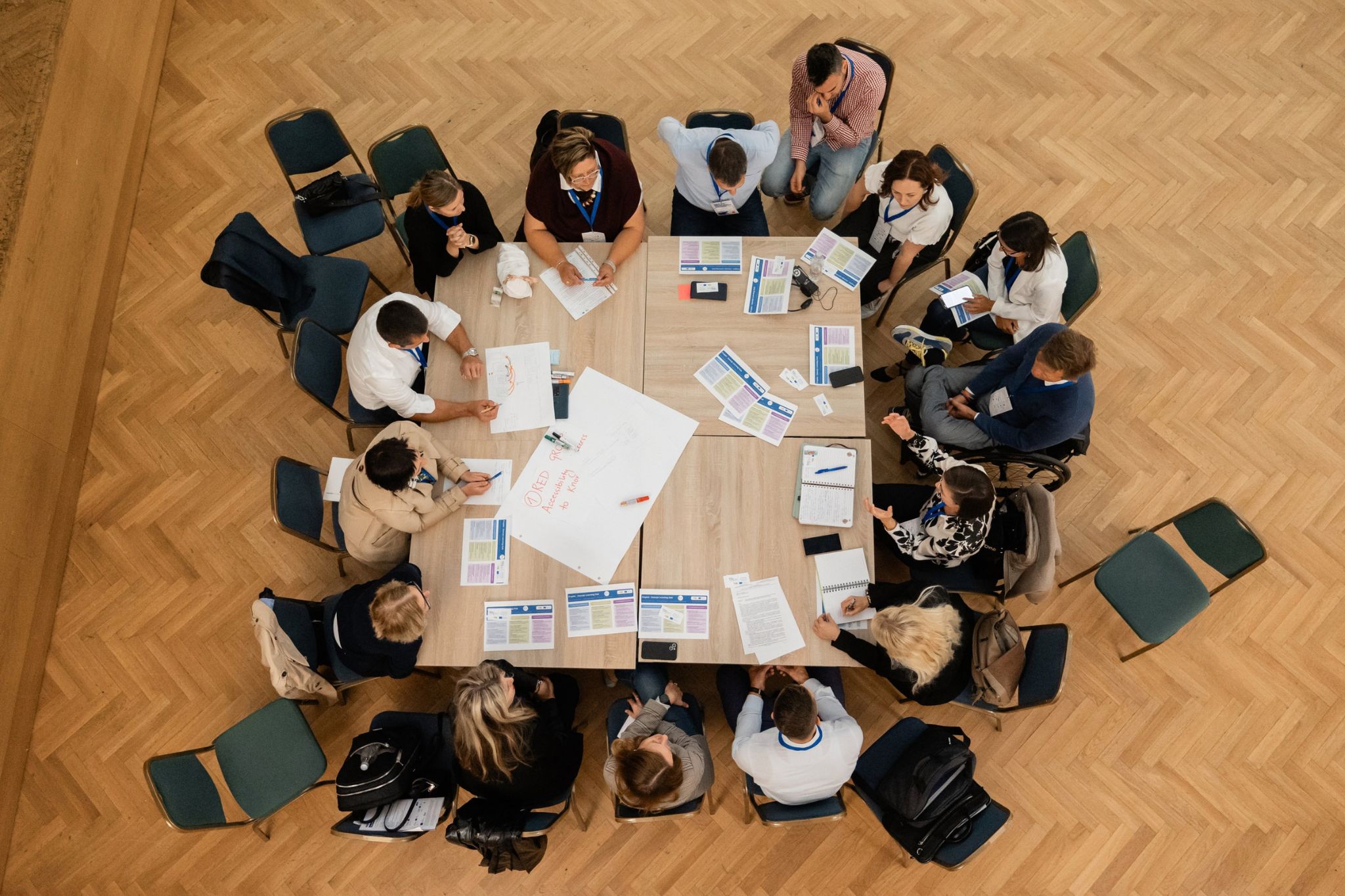
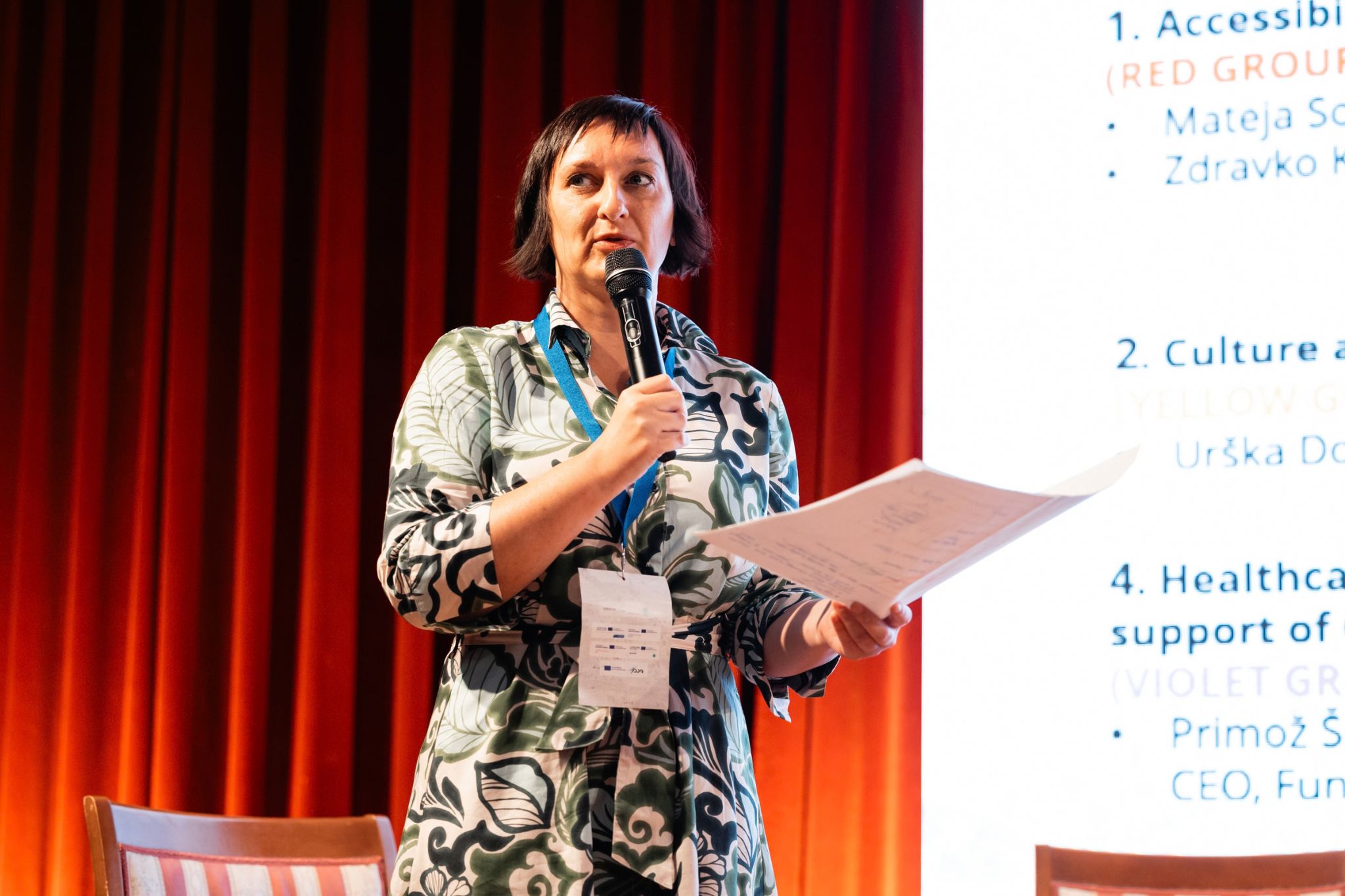
During the interactive session “Co-Creating Solutions: Turning Development Challenges into Breakthrough Projects”, Primož Šporar, High Impact Designer and CEO of Fund 2740 emphasised that breakthroughs are created by people through their potential, knowledge and ability to connect. He highlighted two key levels: an ecosystem based on cooperation, an appropriate structure and effective governance; and a blended financing system that brings together different sources of funding throughout the development stages of a particular area.
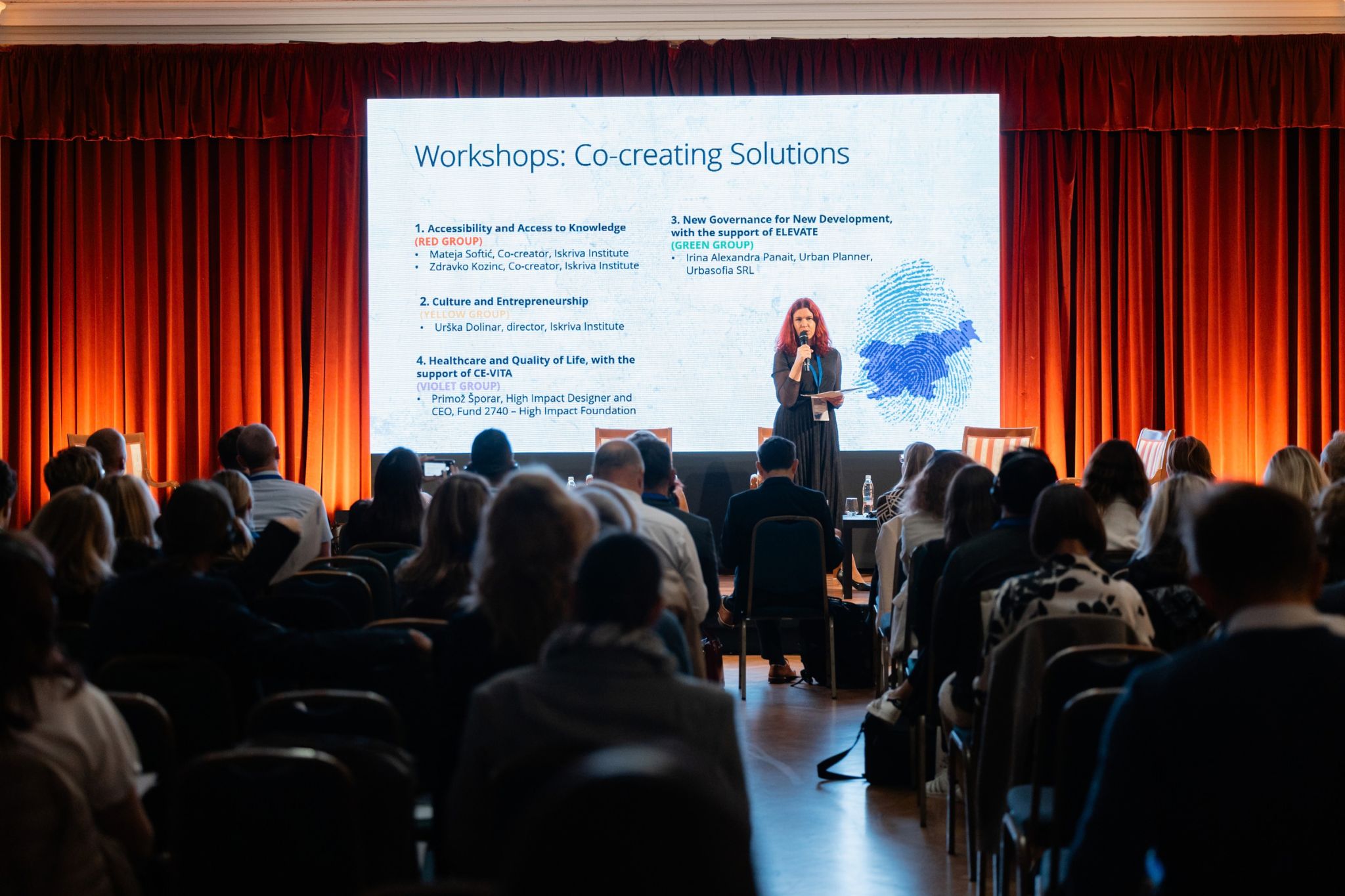
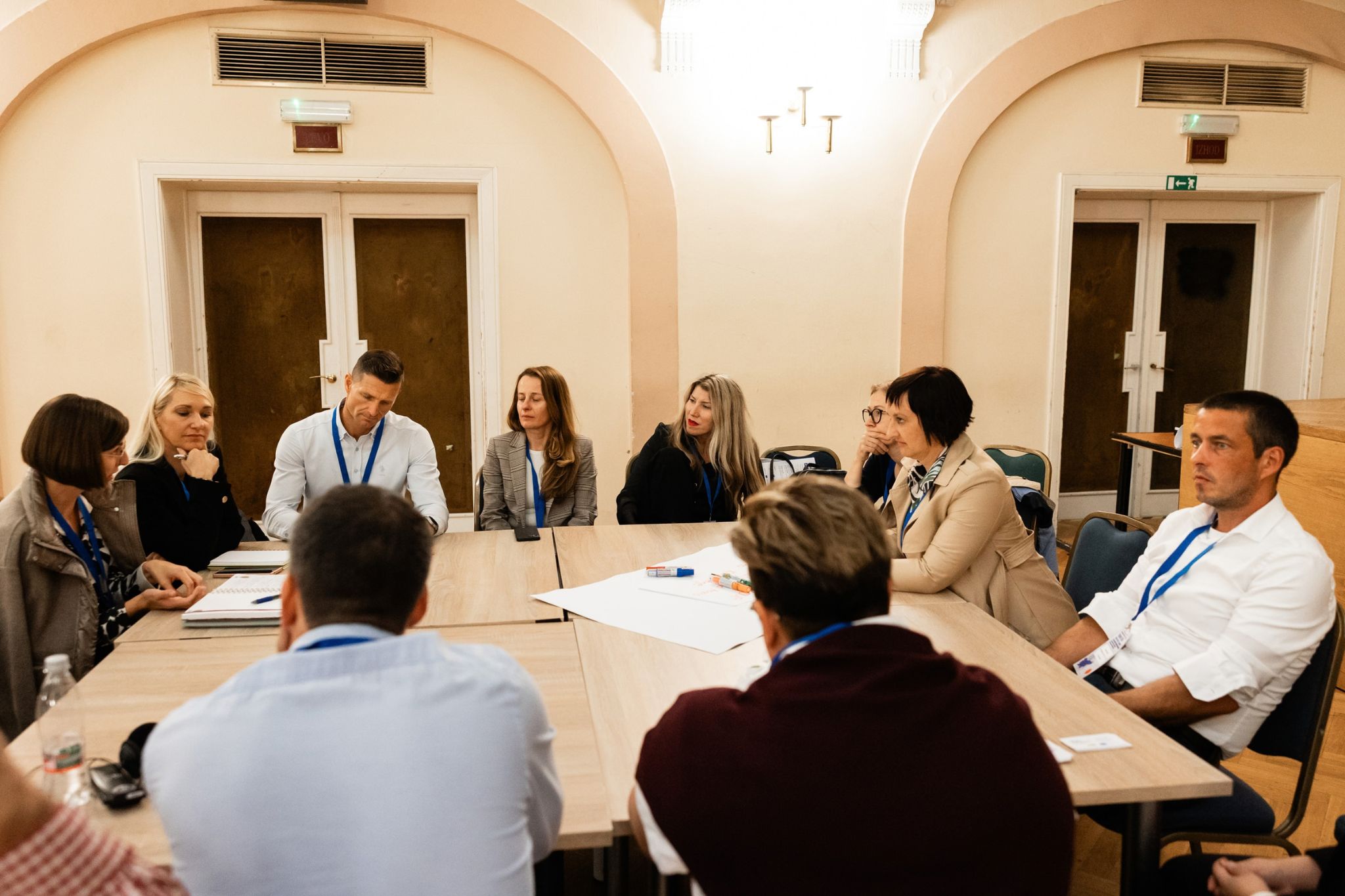
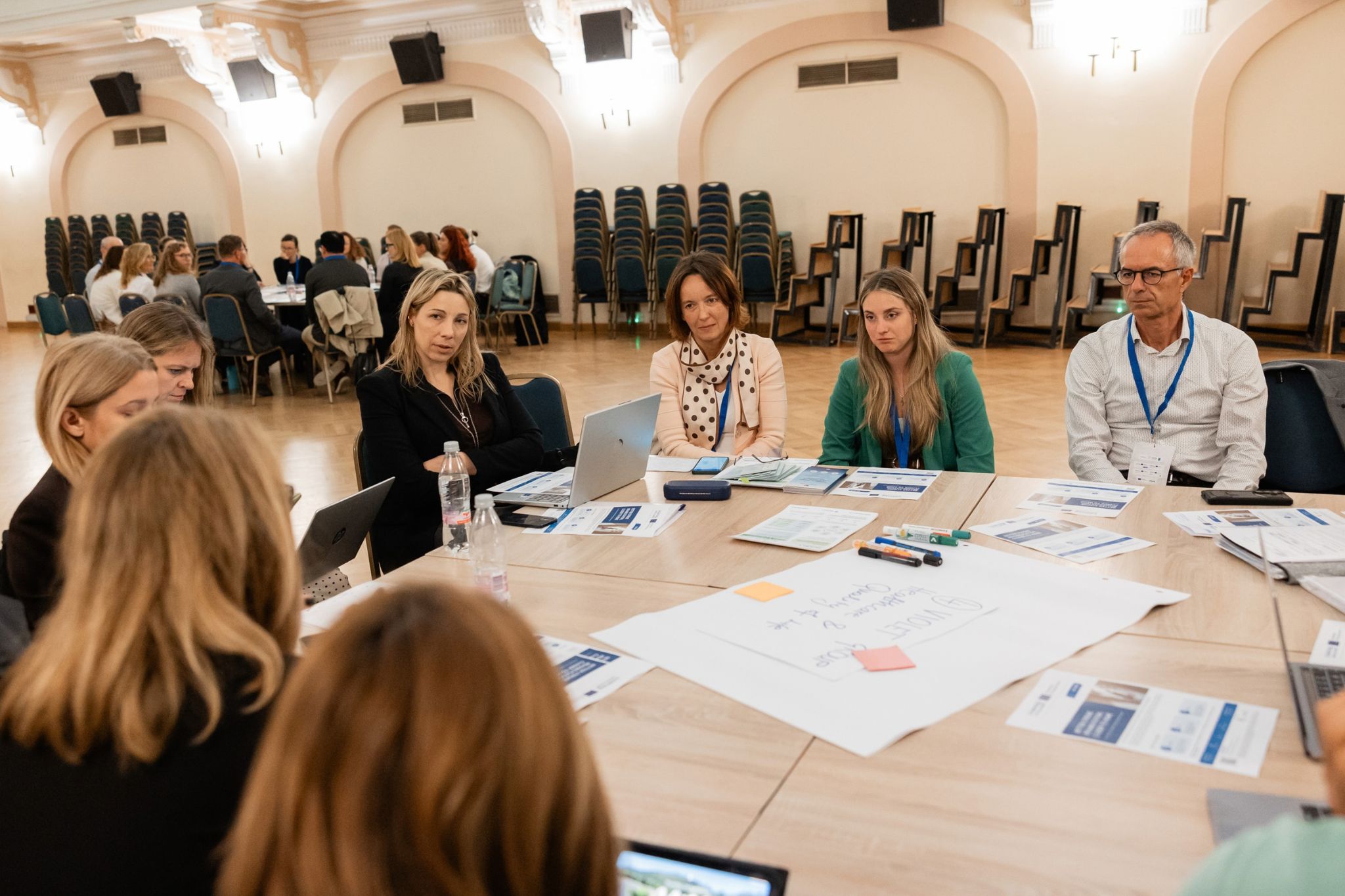
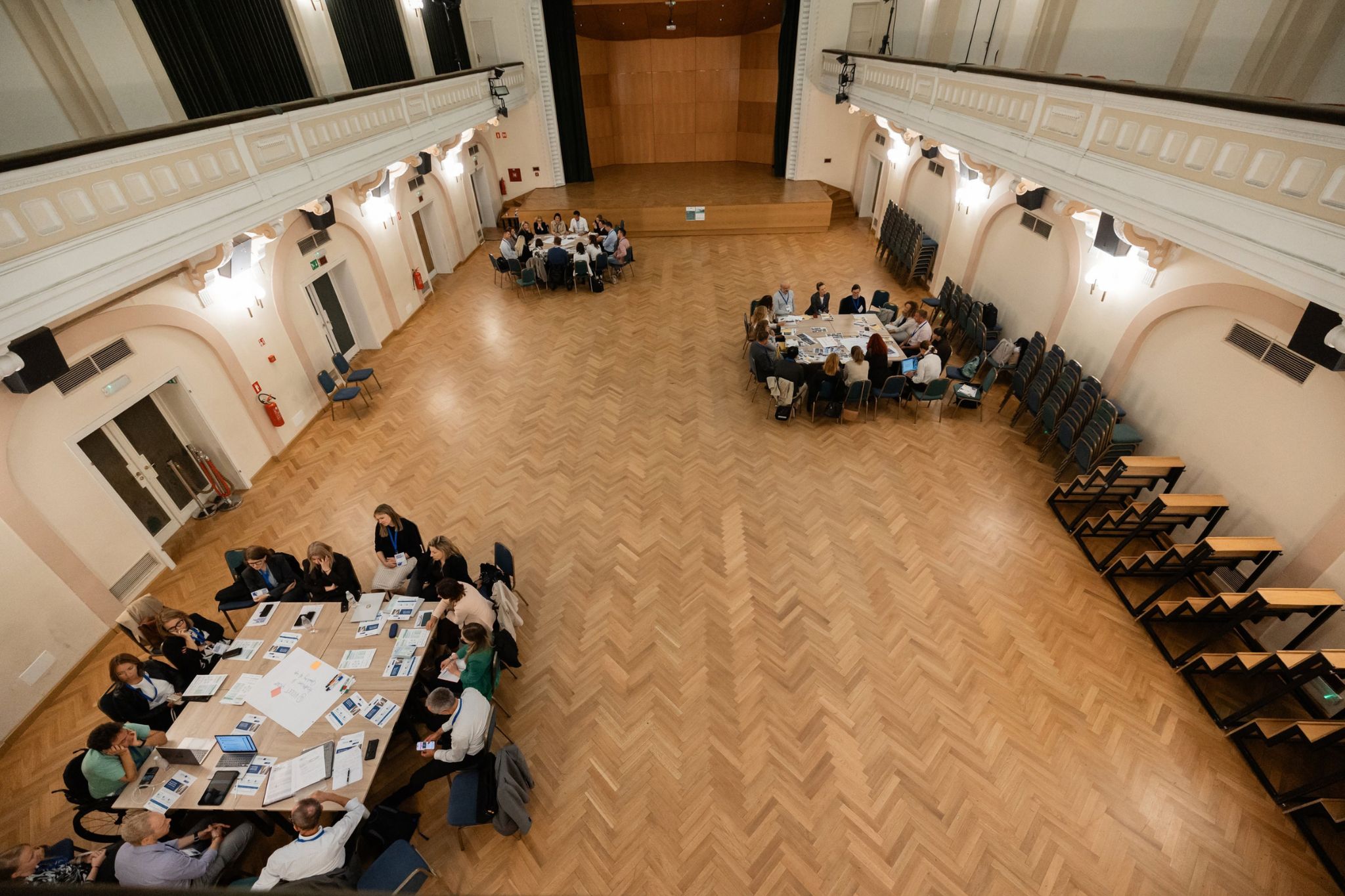
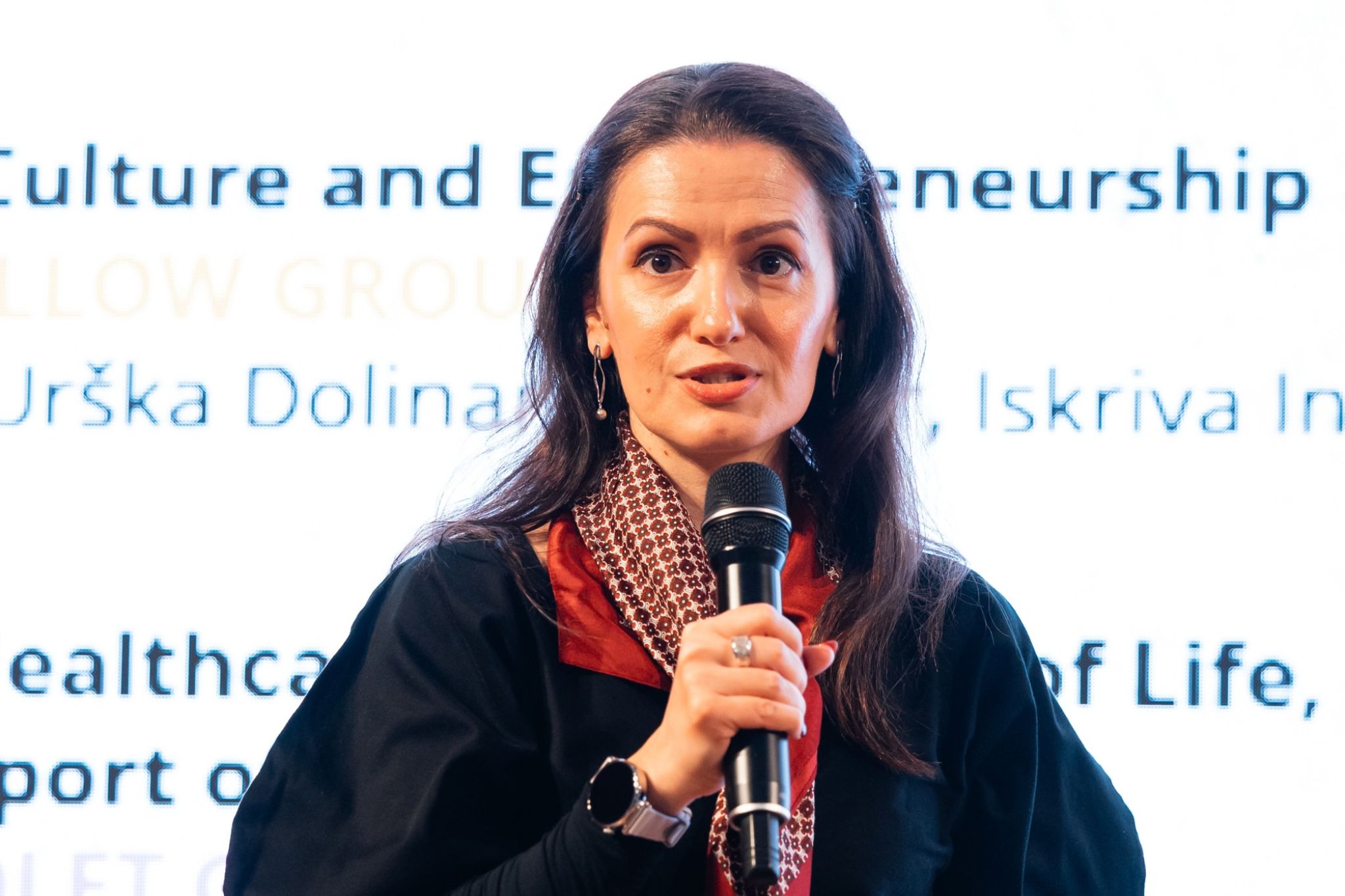
In interactive workshops, participants explored concrete solutions in the areas of accessibility and access to knowledge; culture and entrepreneurship; new governance for new development, supported by the ELEVATE project; and healthcare and quality of life, supported by the CE-VITA project.
The discussion thus moved from strategic questions towards concrete co-creation: How can the right challenge be connected with the right solution, partnership, governance model and financing?
When Development Also Gains a Cultural Dimension
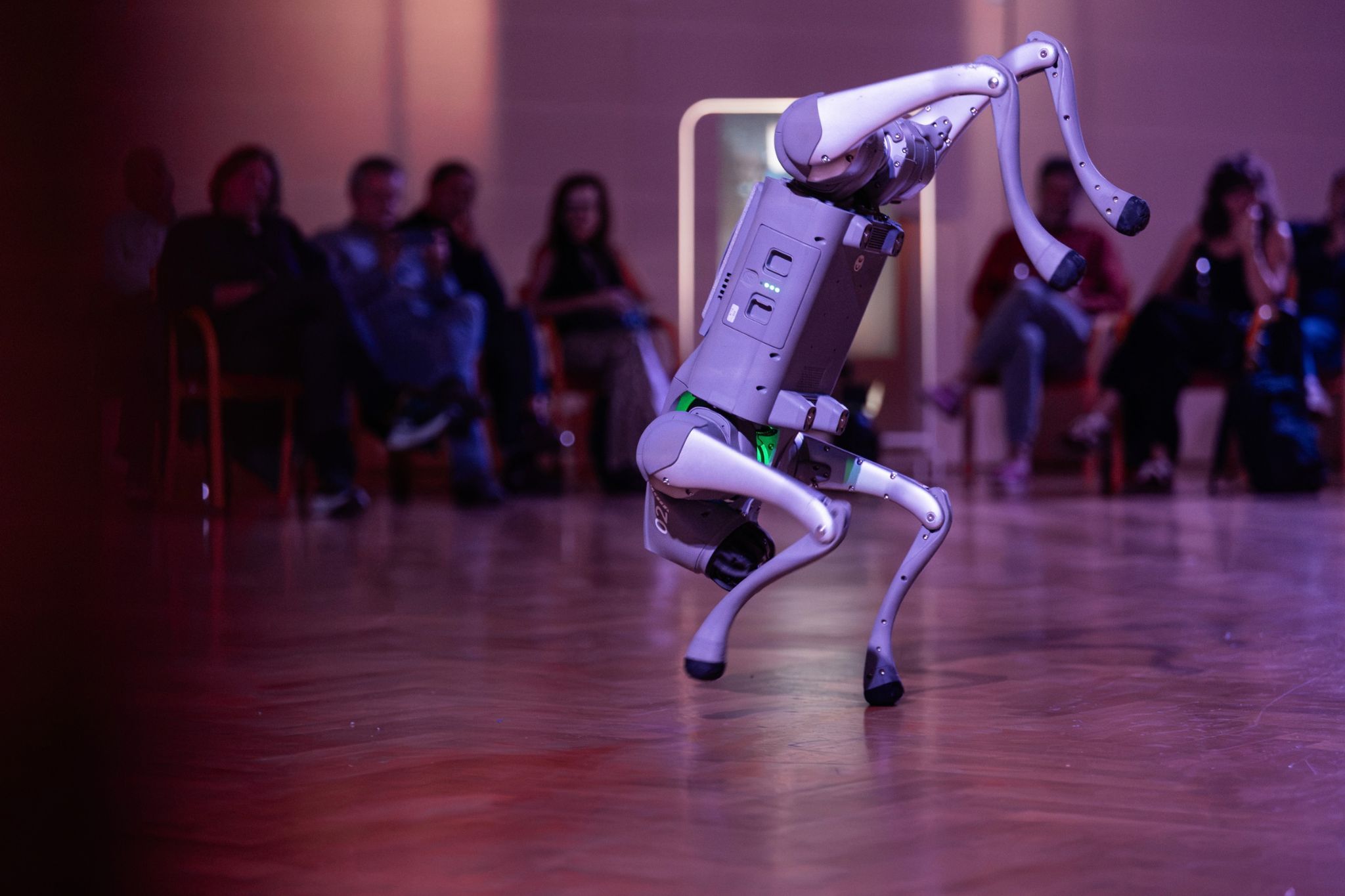
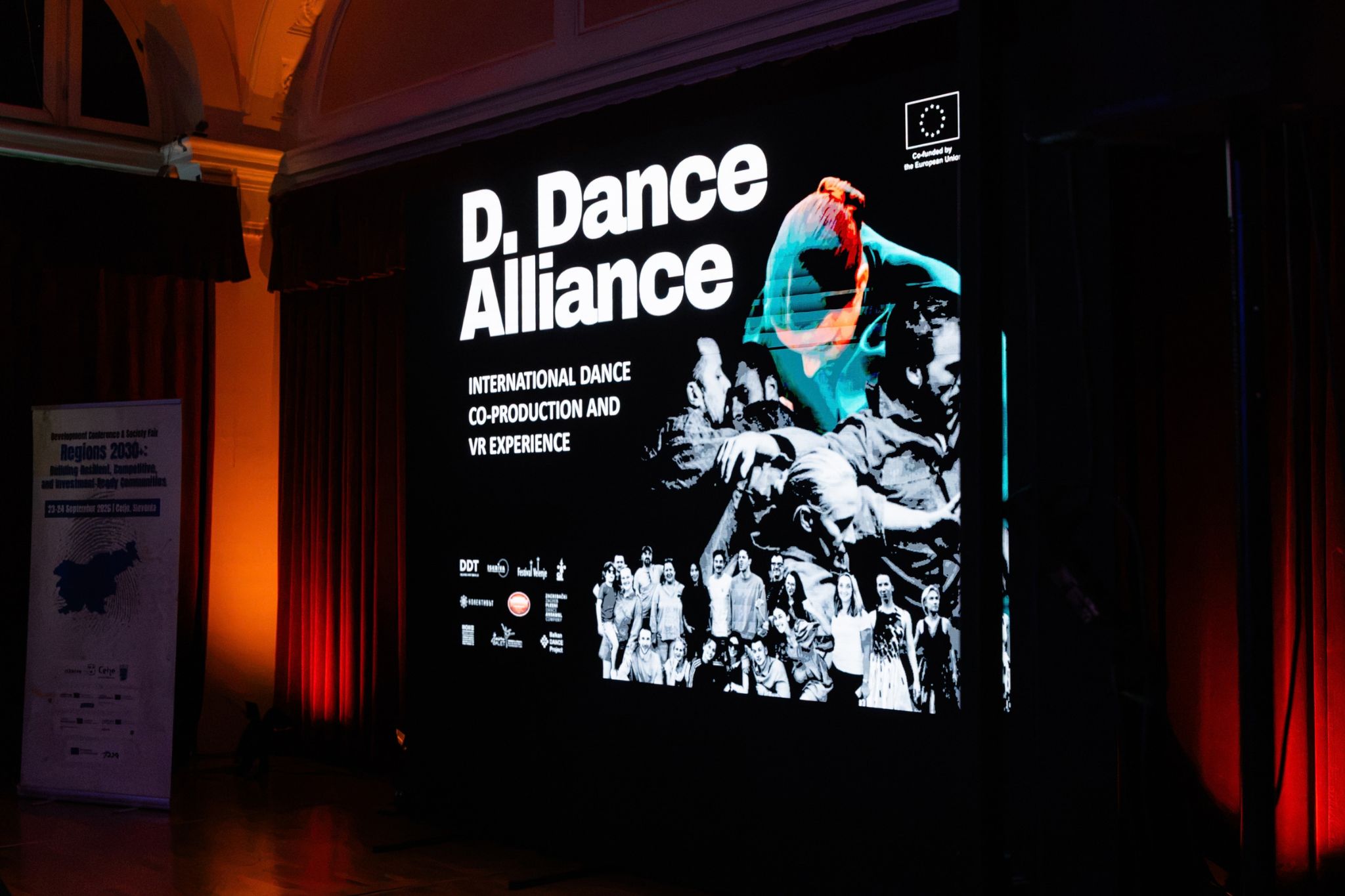
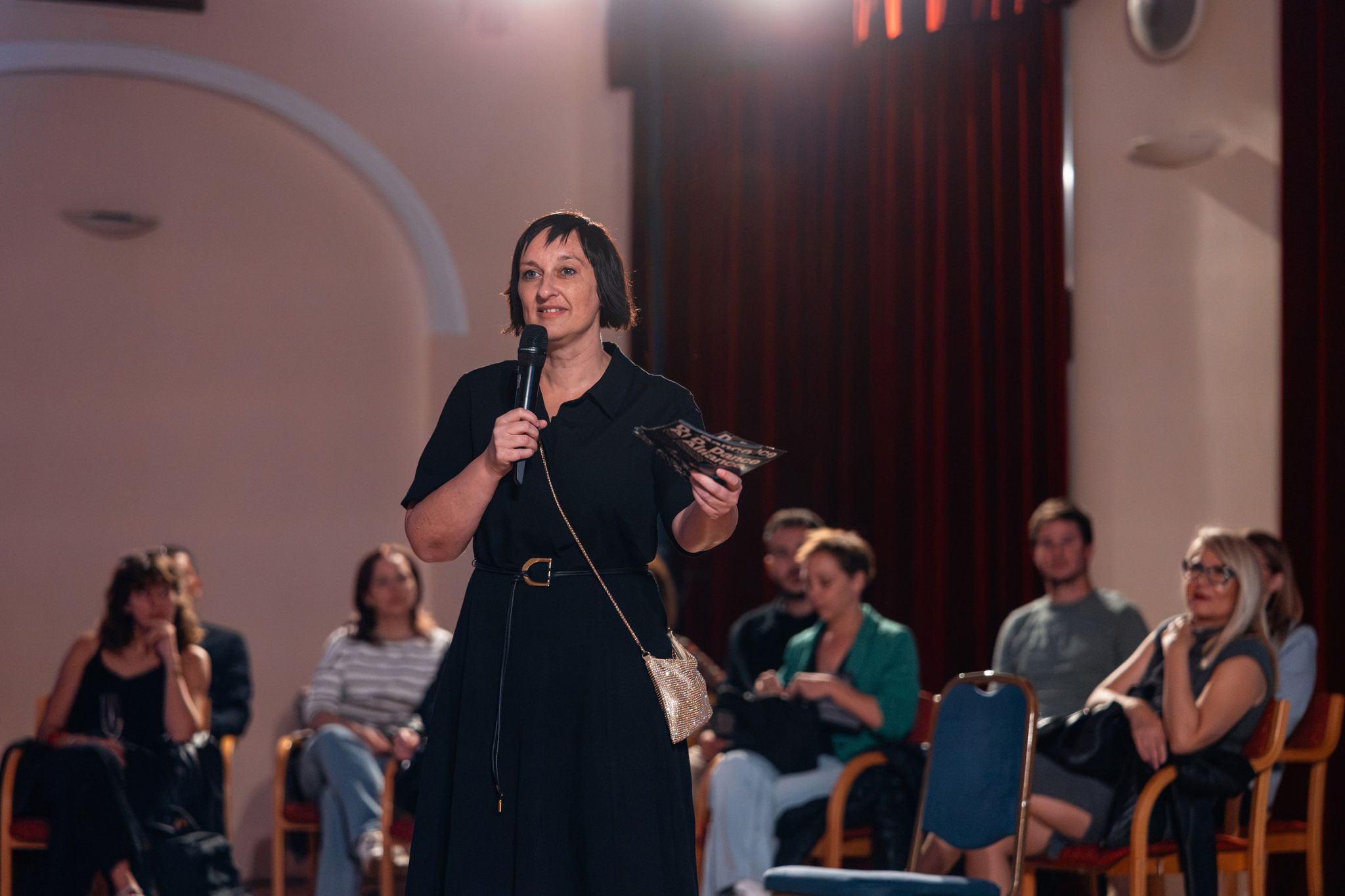
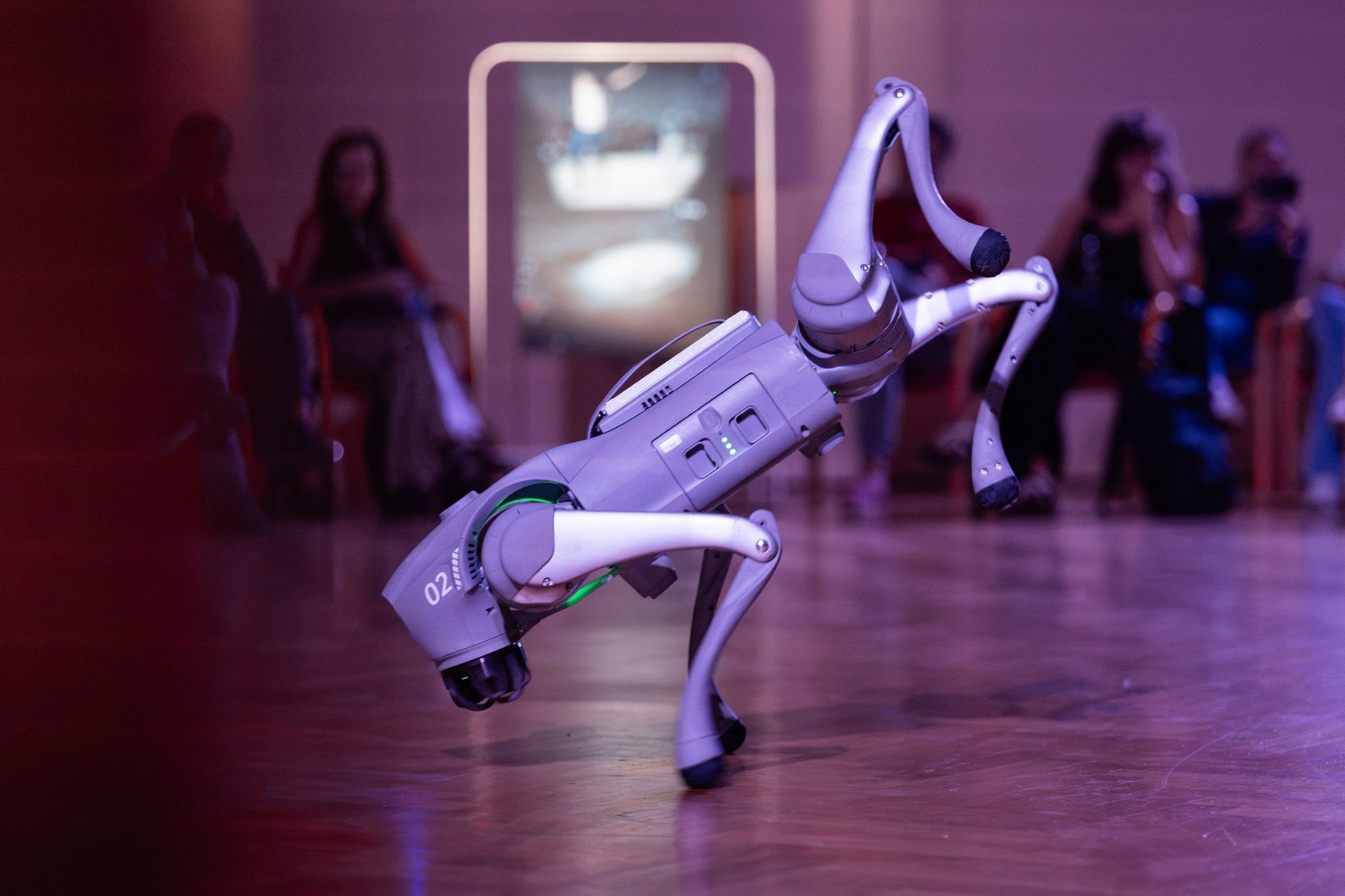
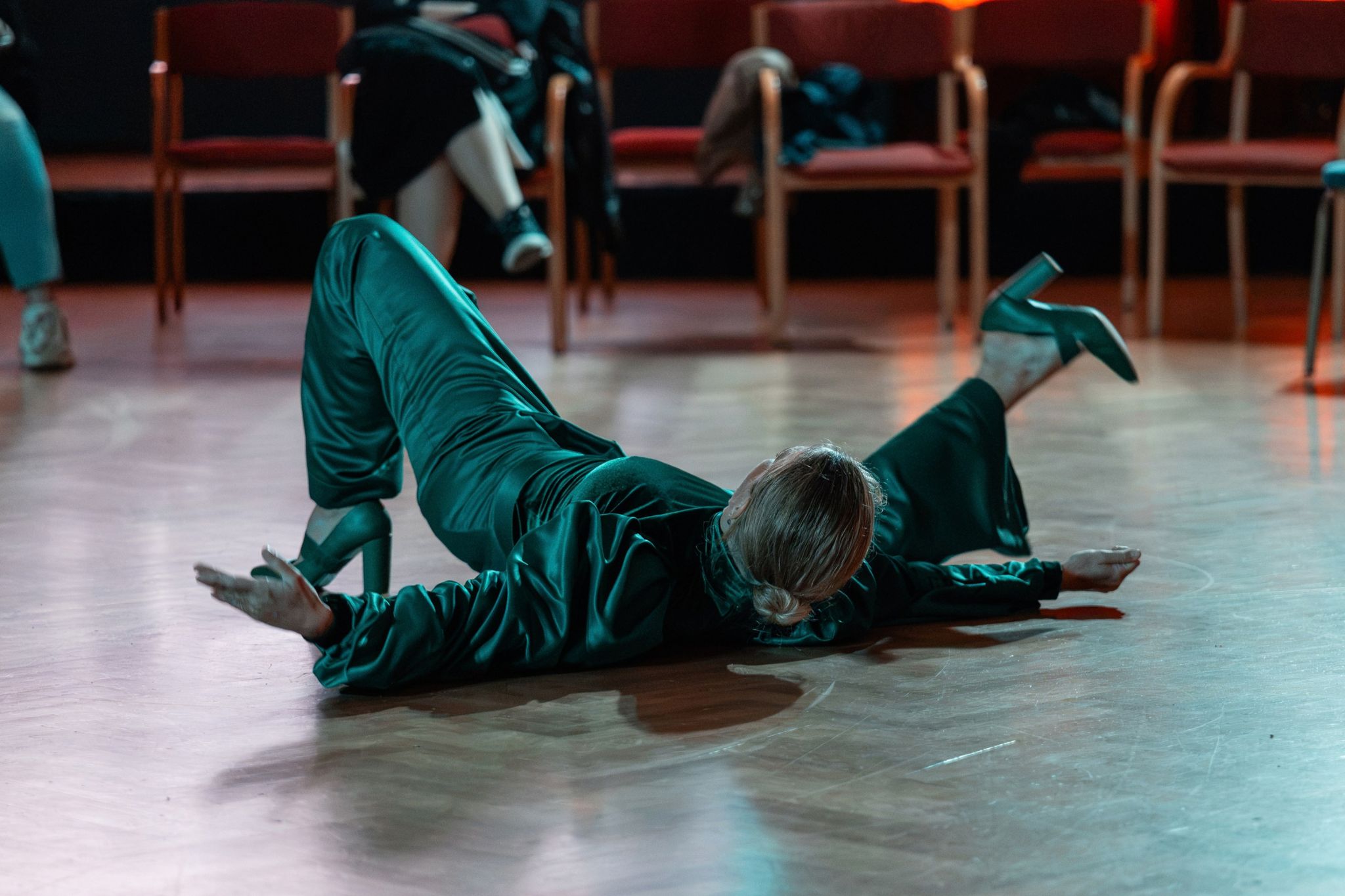
Before the official opening of the conference, a cultural evening organised as part of the Danube Dance Alliance partnership, “Between Movement, Space and the Digital World”, offered another important perspective on regional development: culture, through creativity, enriches quality of life.
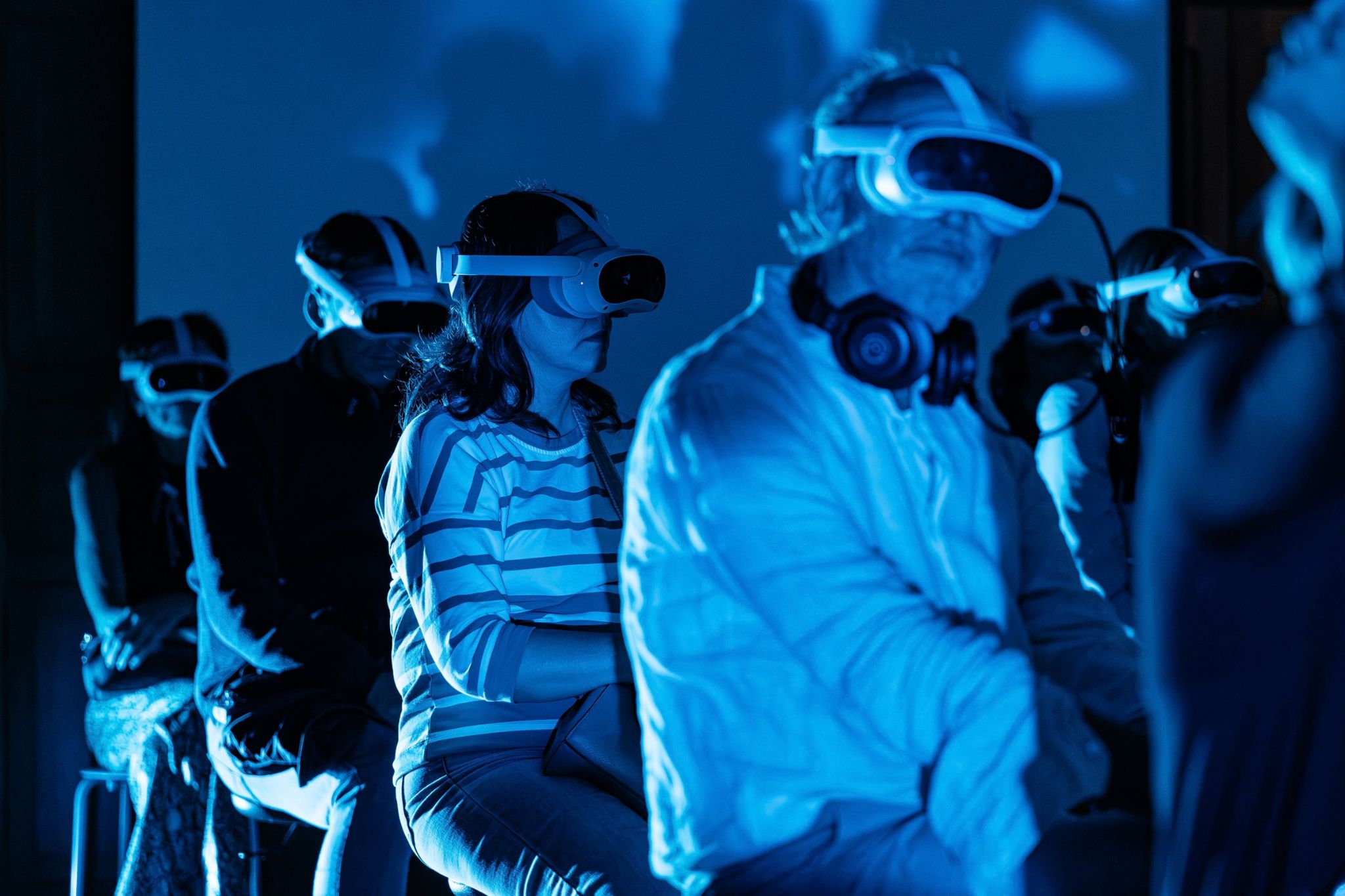
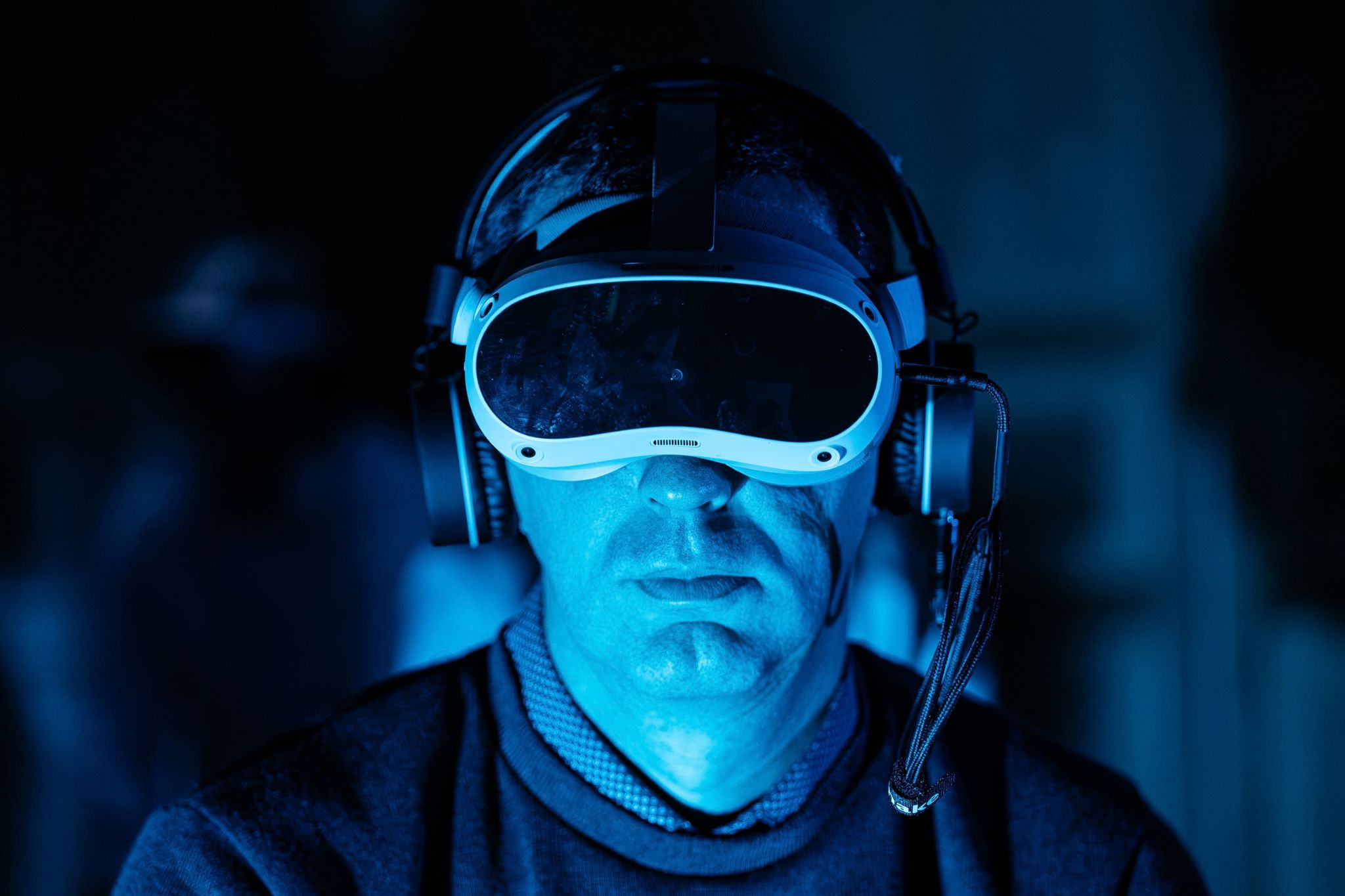
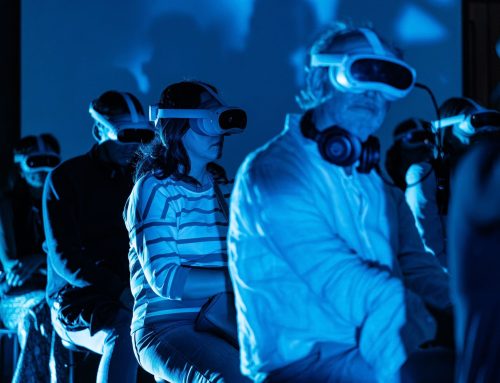
Celje hosted an evening of artistic programming combining dance, space and digital technologies, conceived by acclaimed Celje-based dance artist Mojca Majcen. Visitors were presented with dance miniatures created as part of an international production, featuring choreographies by leading contemporary dance choreographers and dancers from the Western Balkans. The programme also included the VR dance film Dancescapes, directed by Enya Belak, in which dance miniatures explore themes of forgotten stories, communities, time and the reawakening of the body, bringing them closer to audiences in a different way through virtual reality.
The evening also raised a broader question: What makes communities attractive and connected? Regional development is driven by investment, infrastructure and financing, but it is enriched by people through culture and creativity, contributing to a higher quality of life and creating places where people want to live, create and stay.
Photographs from the event are available HERE.
The event was organised as part of the cooperation between the following projects: CE-VITA, supported by the Interreg Central Europe Programme; ELEVATE and CAST, supported by the Interreg Danube Region Programme; and BauNOW, supported by the Interreg Euro-MED Programme. All projects are co-financed by the European Union.
The D. Dance Alliance project is co-funded by the European Union through the Creative Europe programme. Slovenian participation in the project is also co-financed by the Ministry of Culture and the Ministry of Public Administration.
Organisers:

Support: