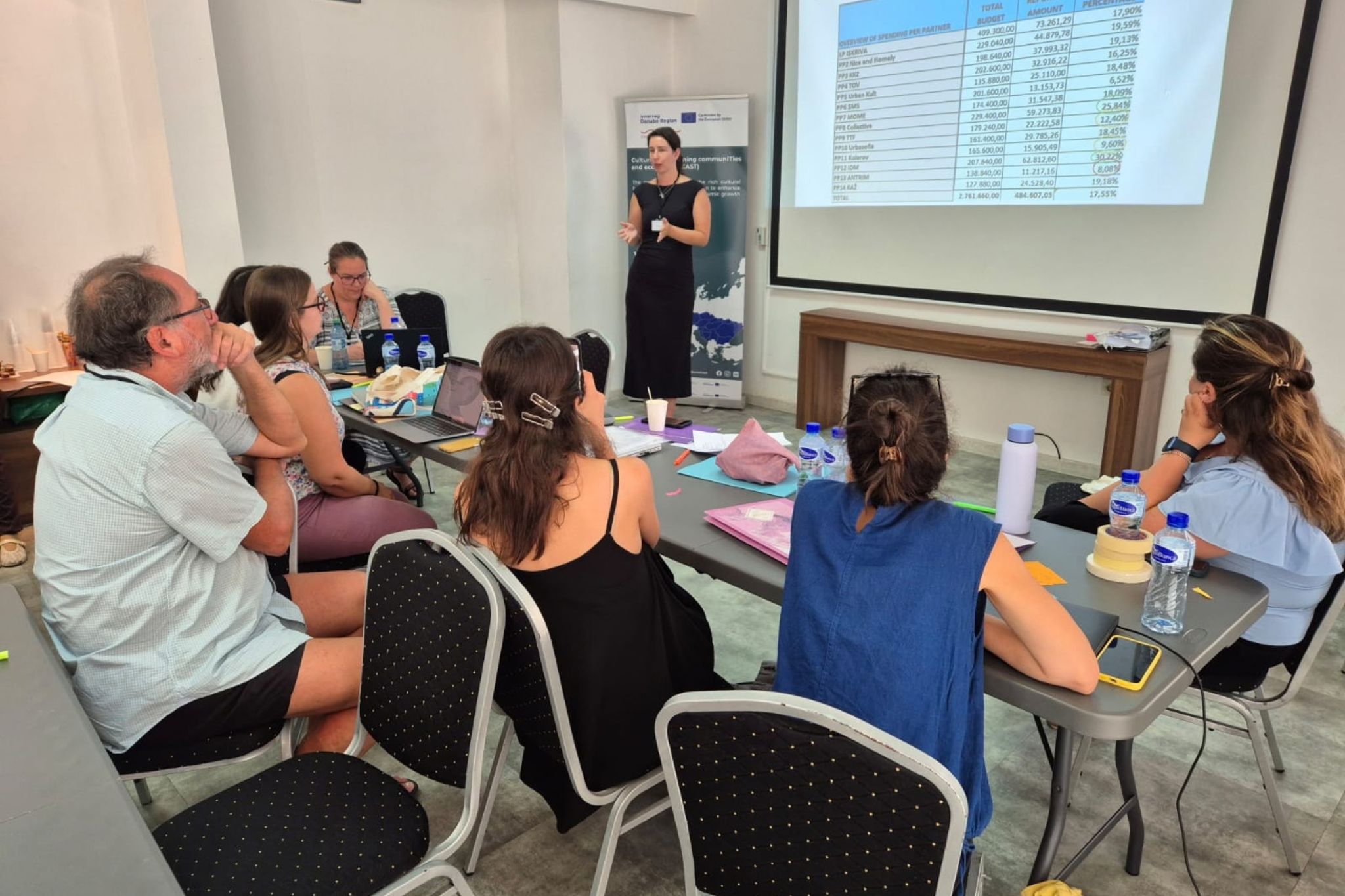
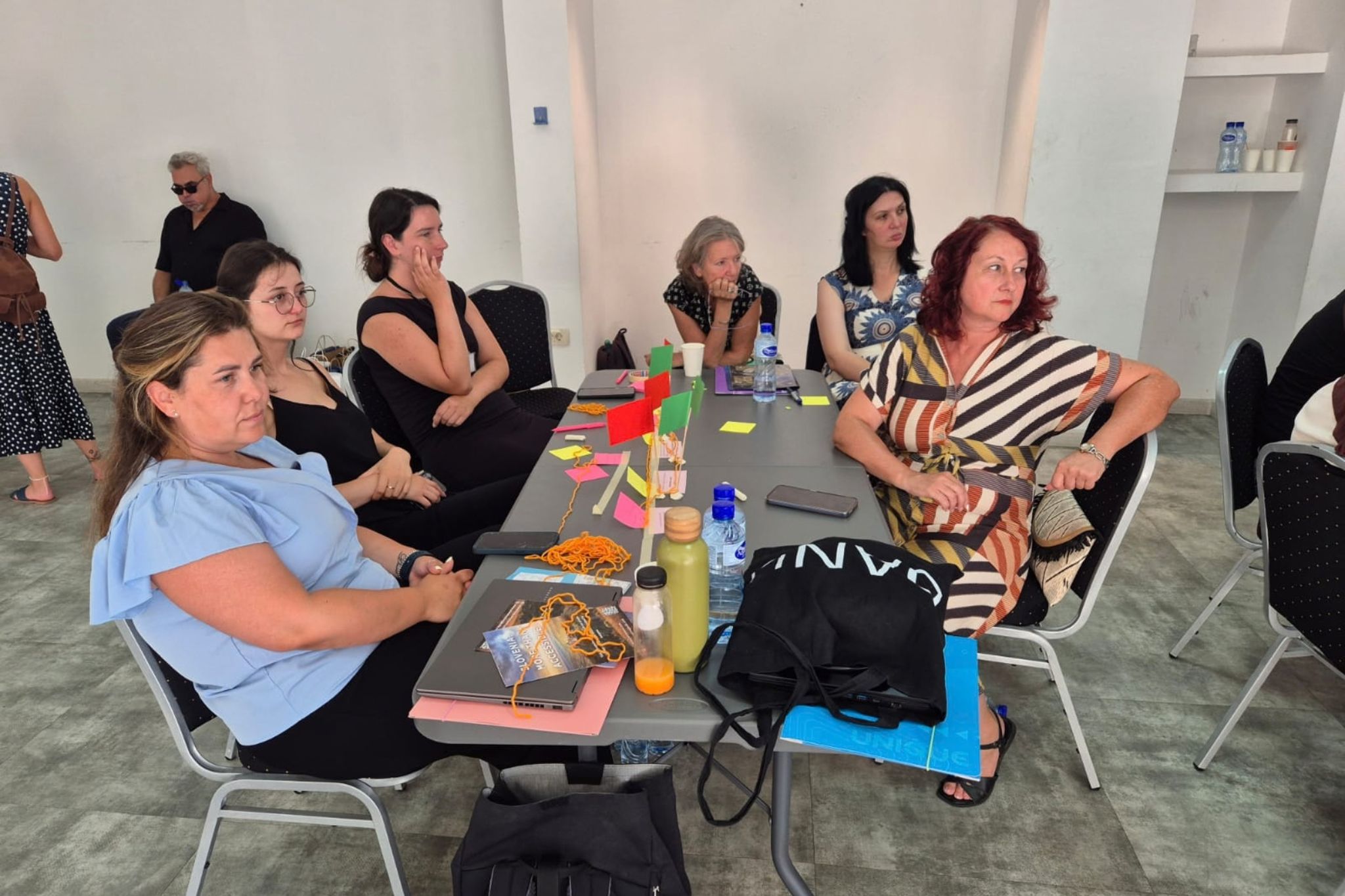
Budva, 4 September 2026 – The partners of the CAST project, in which Iskriva Institute acts as lead partner, met in Budva, Montenegro, on 3 and 4 September 2026. Iskriva Institute was represented by Urška Dolinar, co-founder and director, and Petra Klanšek, project manager. The two-day meeting, hosted by the project partner Urbani Kult, focused on reviewing the progress of the pilot activities, planning the next steps and exchanging experiences that contribute to the development of the CAST model.
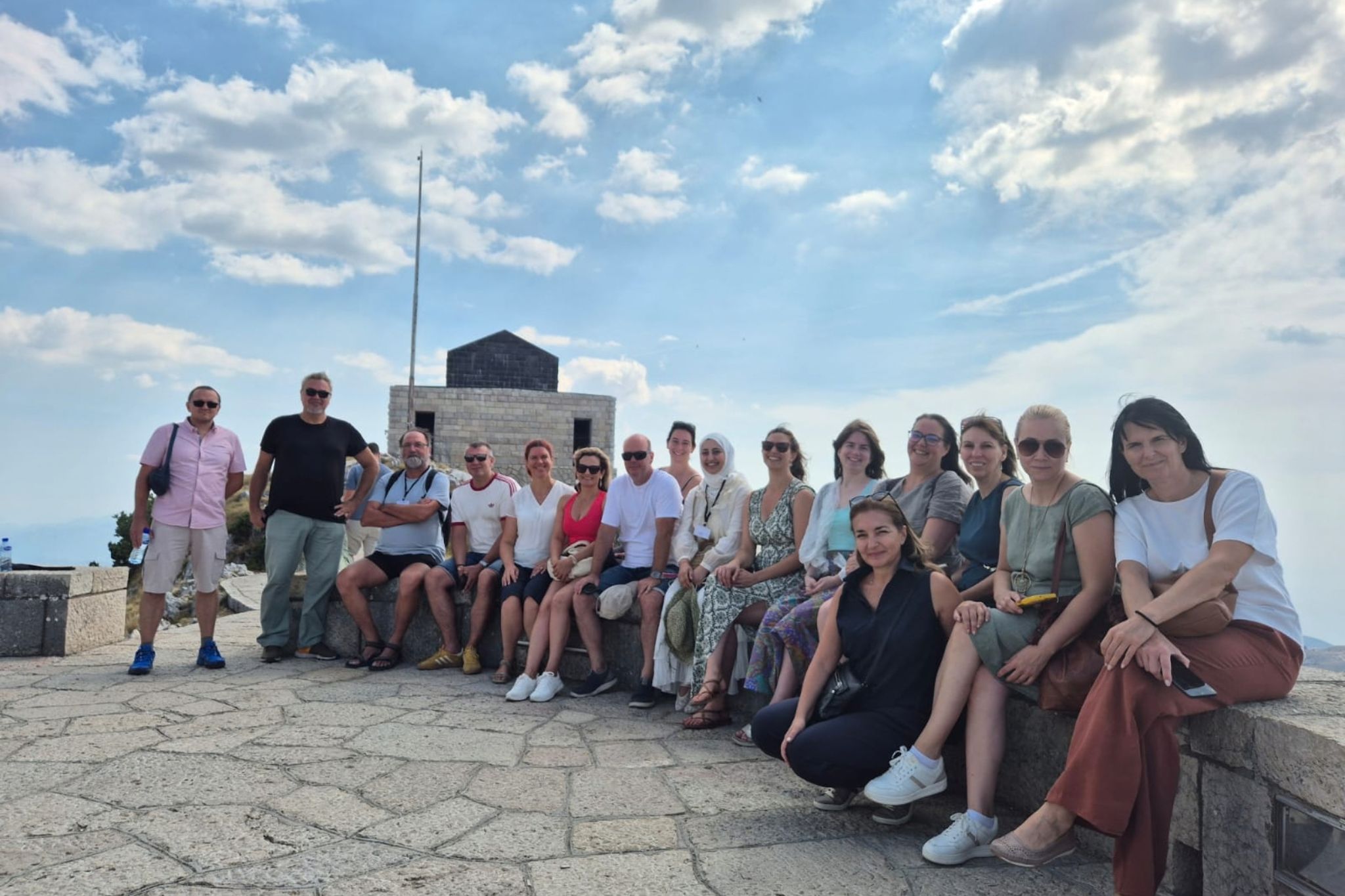
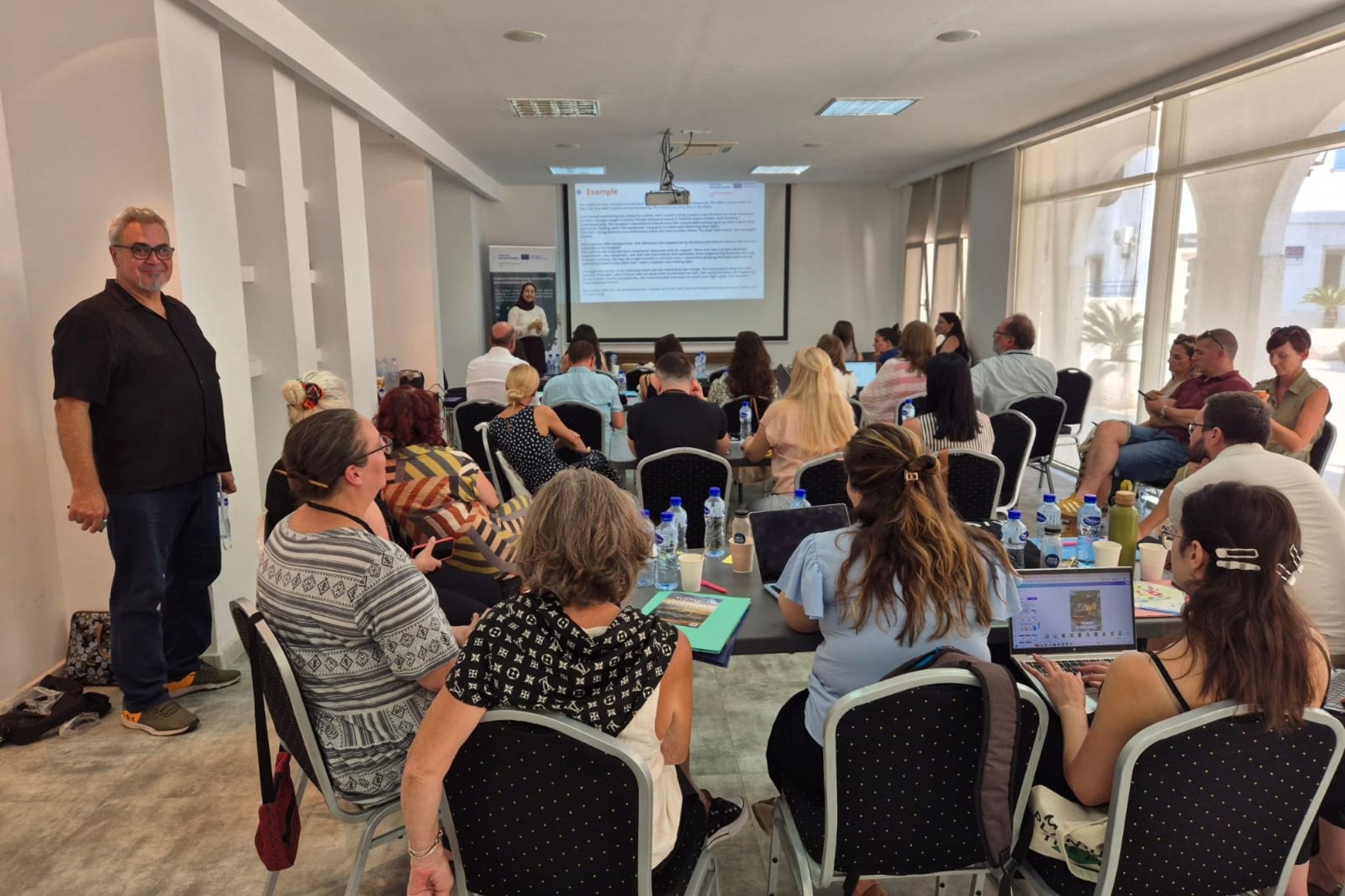
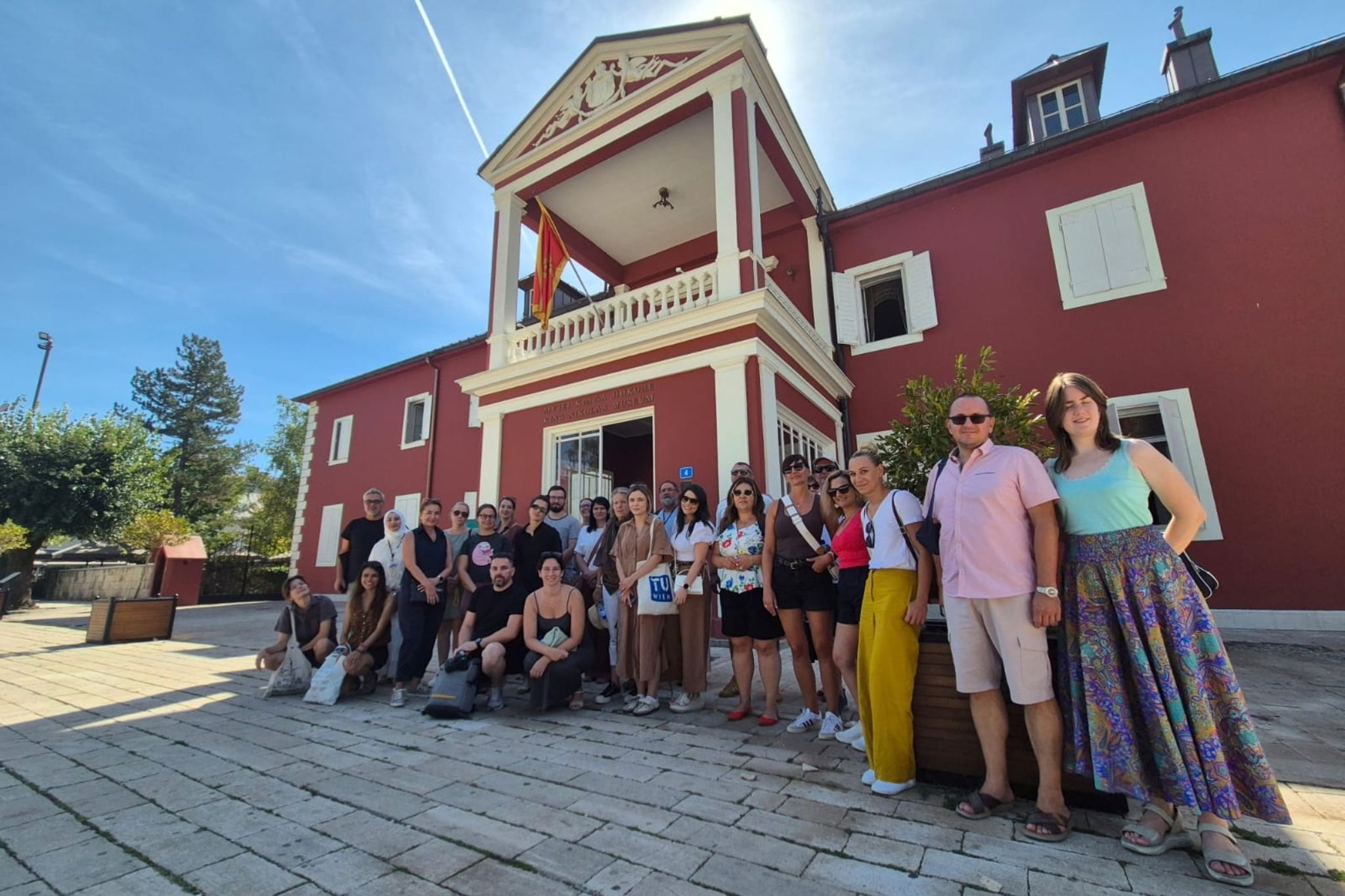
A key part of the meeting was a storytelling workshop, in which the partners explored how to identify the story behind each pilot and present it in a more engaging, people-centred way. Particular attention was also given to the first season of the Danube Festival Caravan, with the partners sharing experiences and lessons learned from the festivals. A total of 14 cultural festivals took place in 10 countries, attracting more than 20,000 visitors. A study visit took the partners to the Museum of King Nikola, and then to Lovćen and the Njegoš Mausoleum, where they learned about the cultural heritage of Montenegro and the ways in which it is linked to the tourism offer.
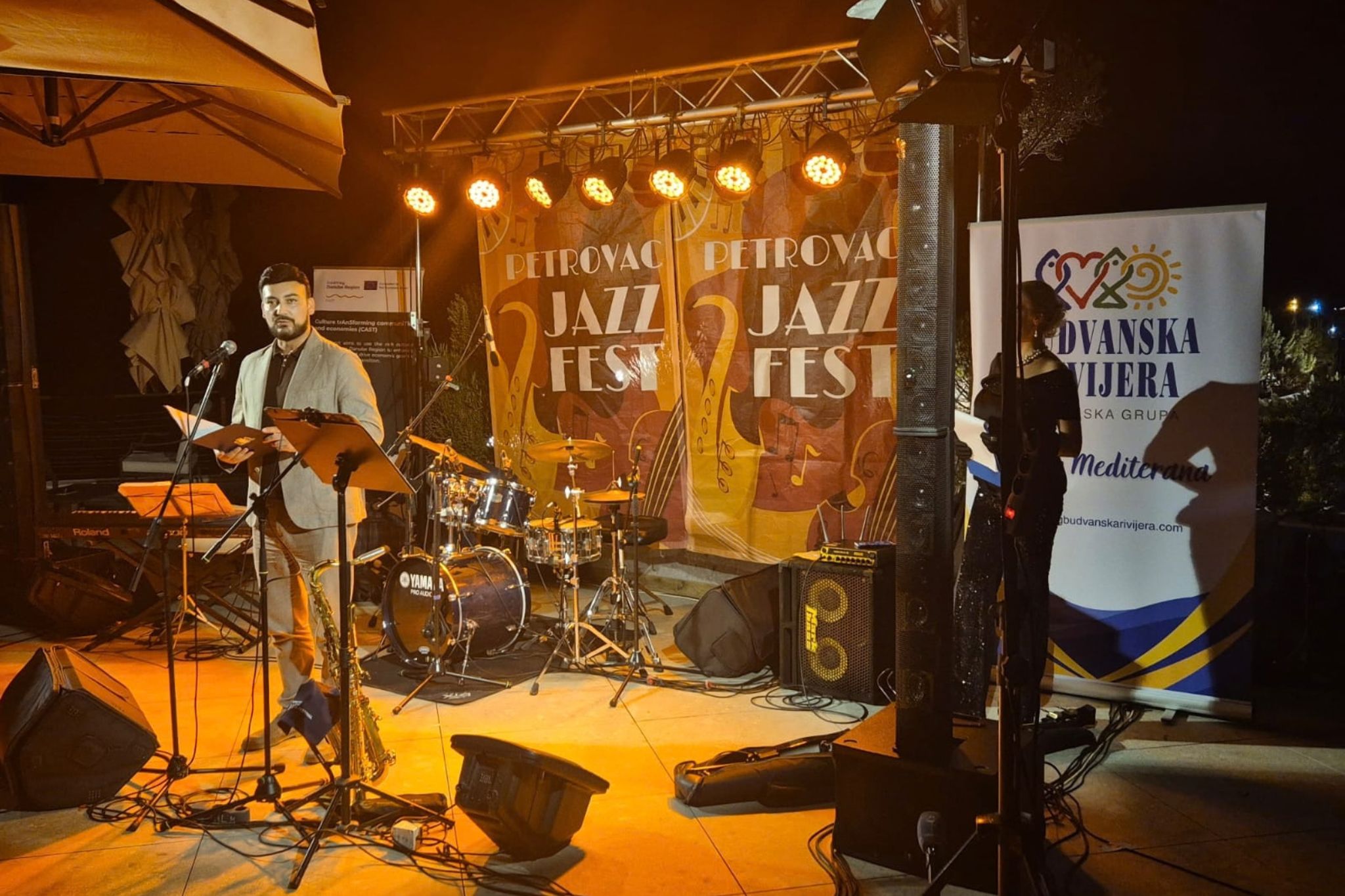
The meeting concluded with the opening of the 20th edition of the Petrovac Jazz Festival, which was also connected to the pilot activity of the project partner Urbani Kult. From 3 to 6 September, the festival offered four evenings of jazz in Petrovac. The anniversary programme featured performances by Belgrade Jazz Collective, Birds of Unknown, JFF Little Big Band, Oridano Guitar Duo, Jure Pukl Analog AI and Nisville Jam Orchestra, accompanied by exhibitions, a music workshop and the presentation of a book by Ivan Blagojević, director of the Nišville Jazz Festival.
The meeting in Budva thus brought together project work, the development of pilot activities, cultural heritage and hands-on experience in the field. Through local stories, festivals and community engagement, CAST explores how to bring cultural heritage closer to visitors in a more inclusive and engaging way, while linking it to the development of local destinations.
The CAST project promotes culture as a driver of social inclusion, innovation and local development. By bringing together partners from eleven countries, it develops inclusive services and sustainable tourism products that are rooted in local cultural heritage and connect communities. Find out more HERE.