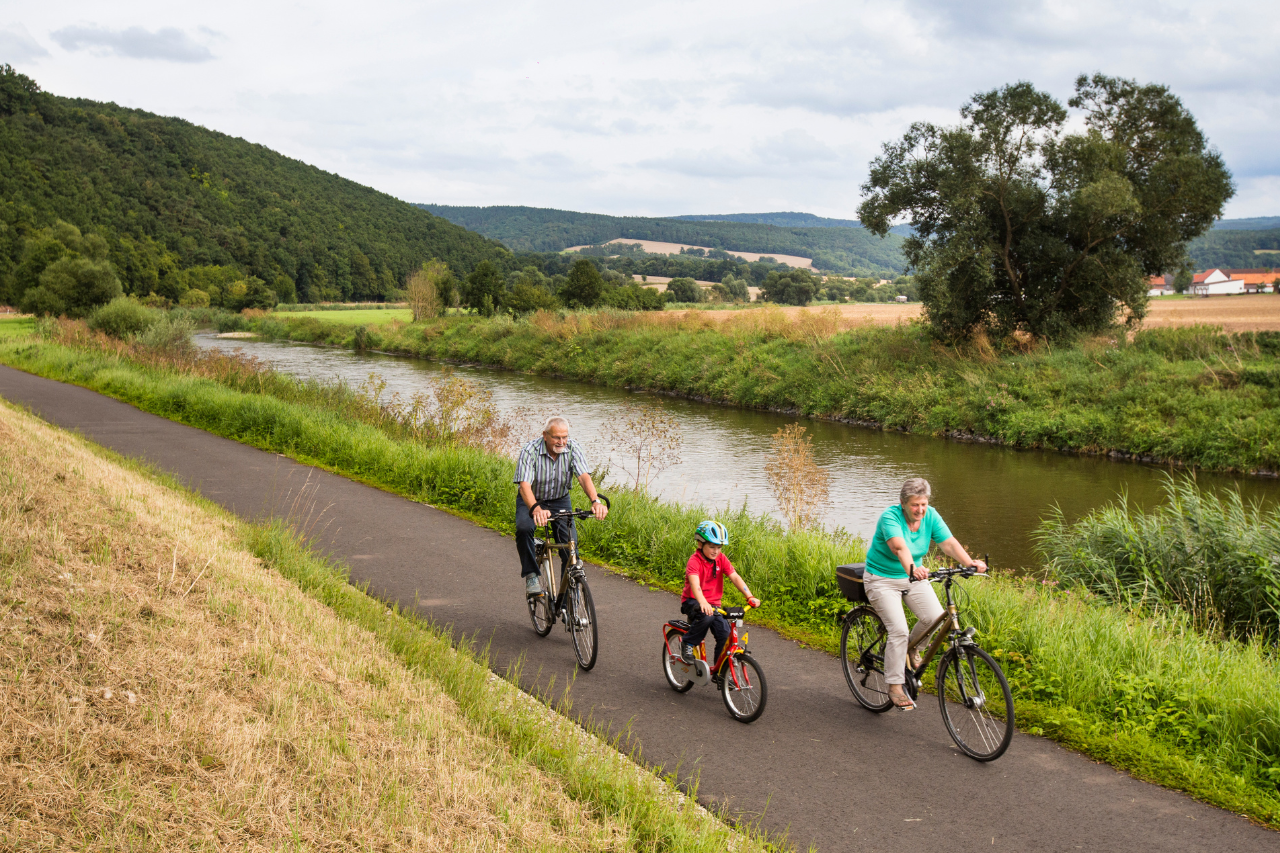
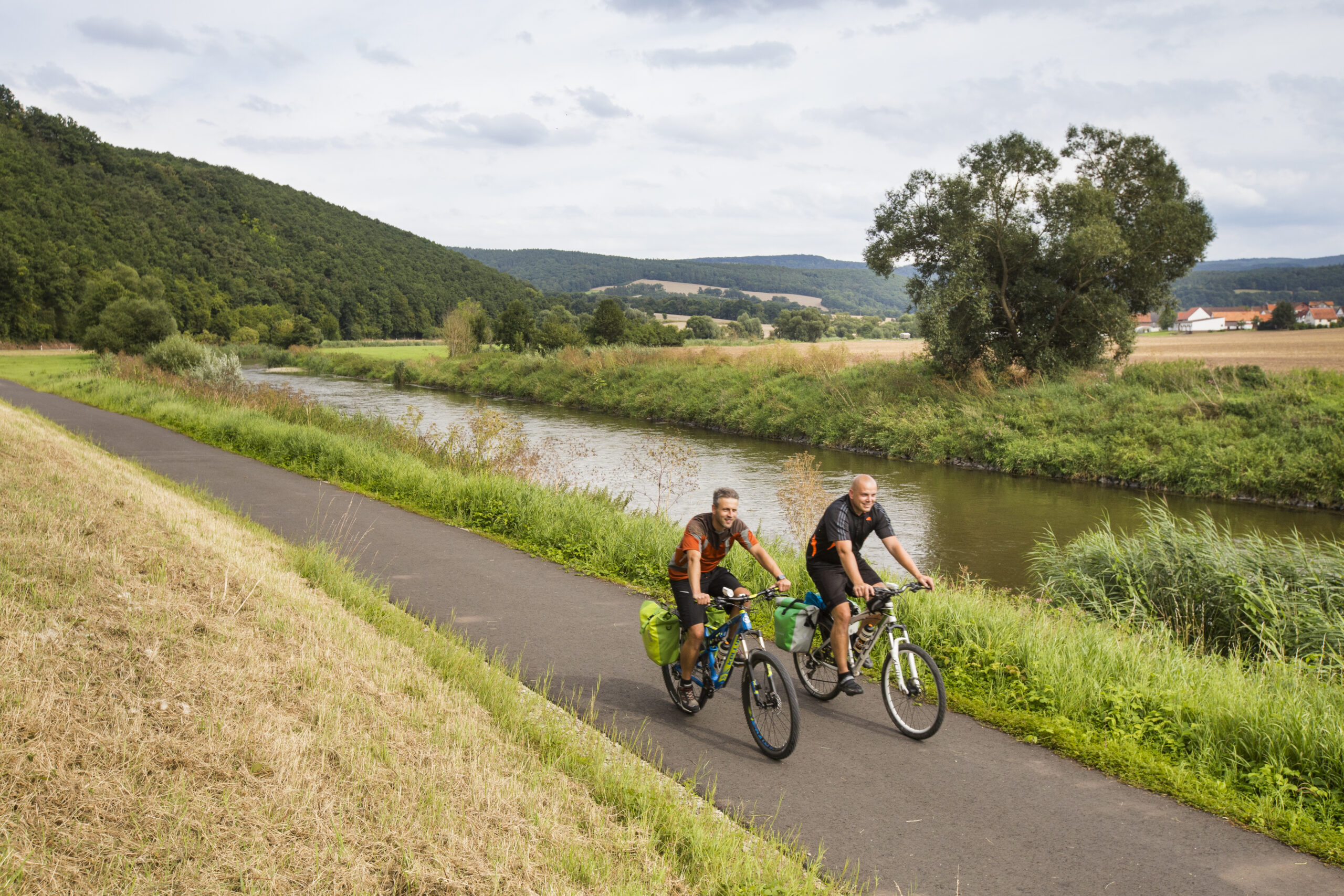
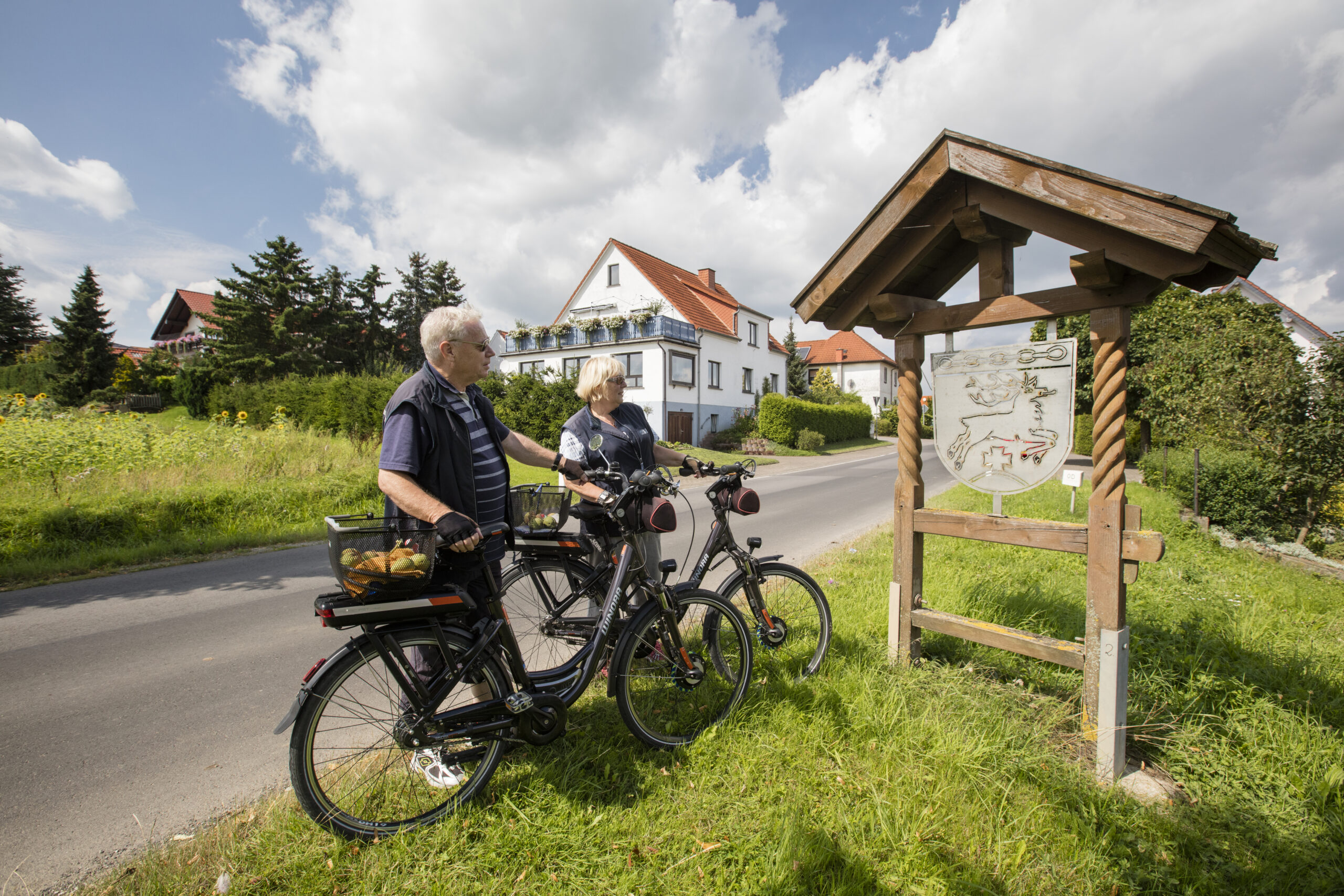
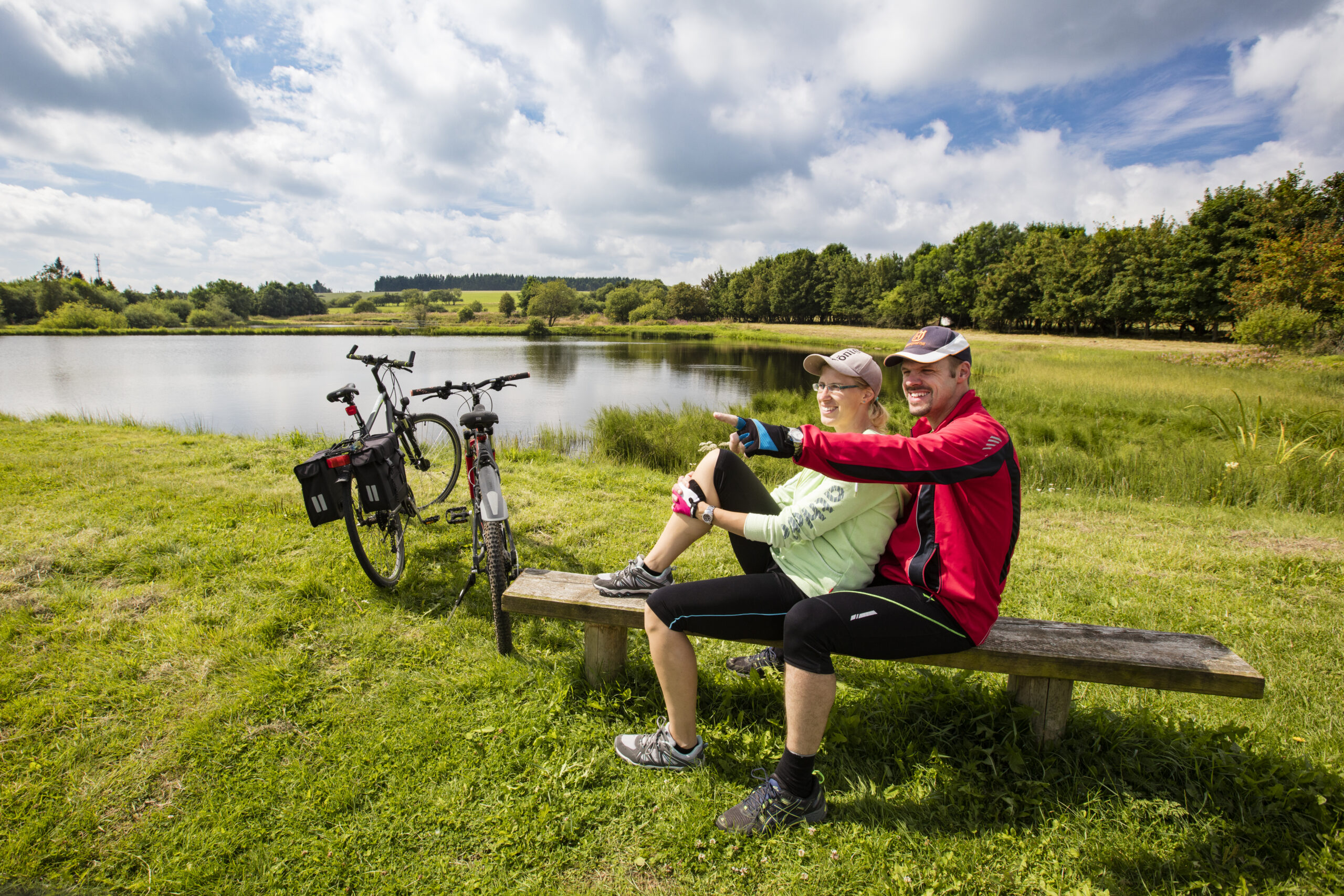
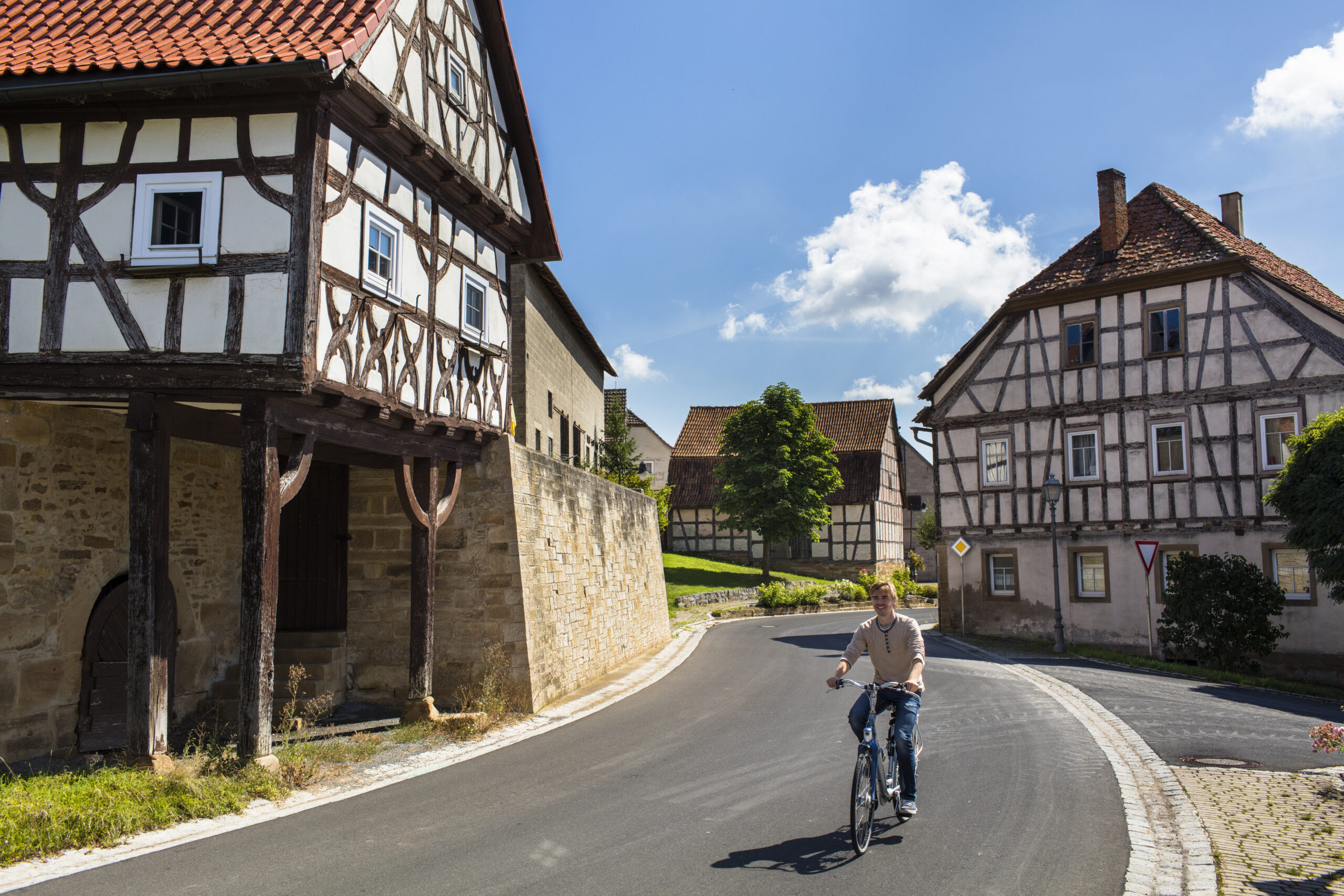
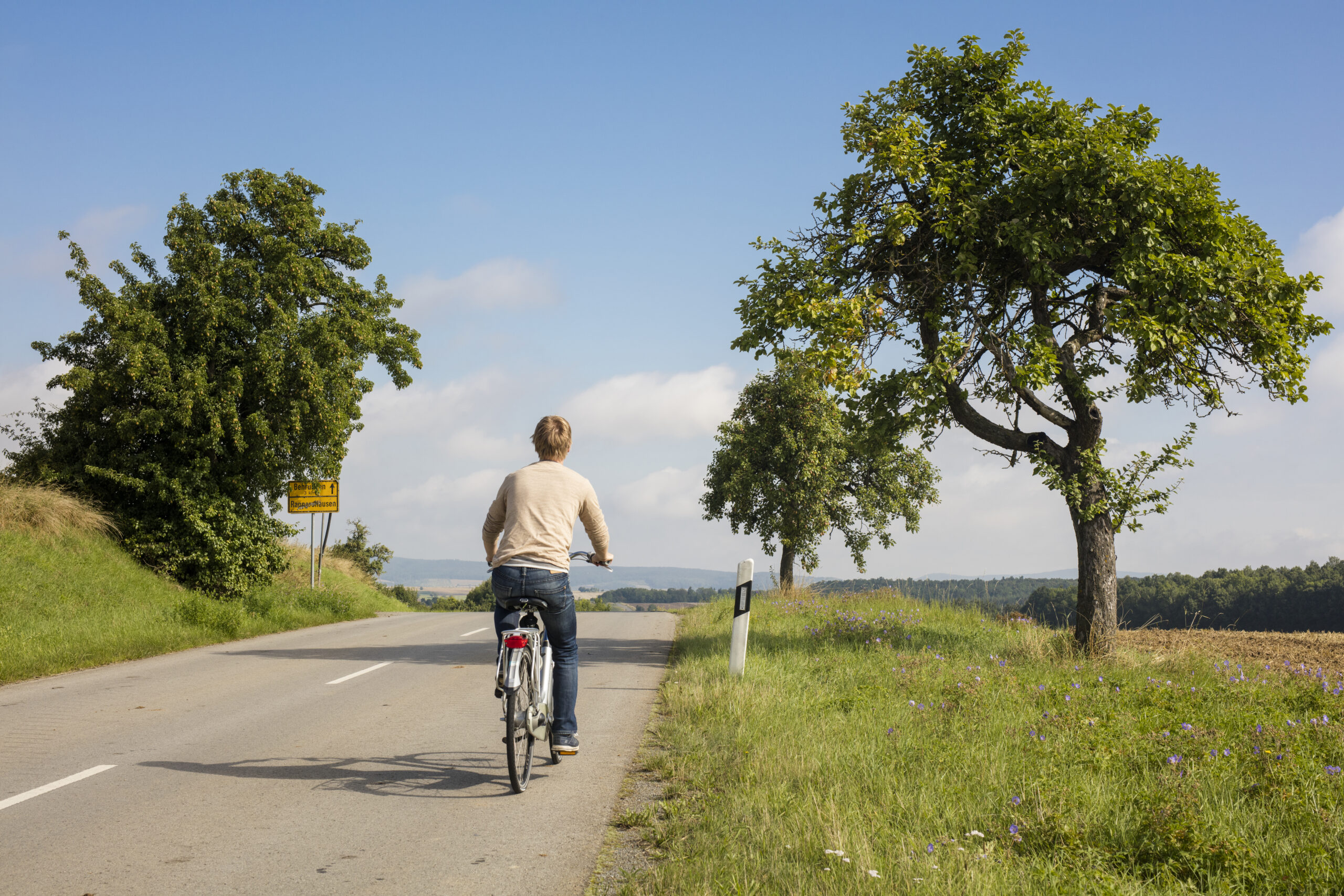
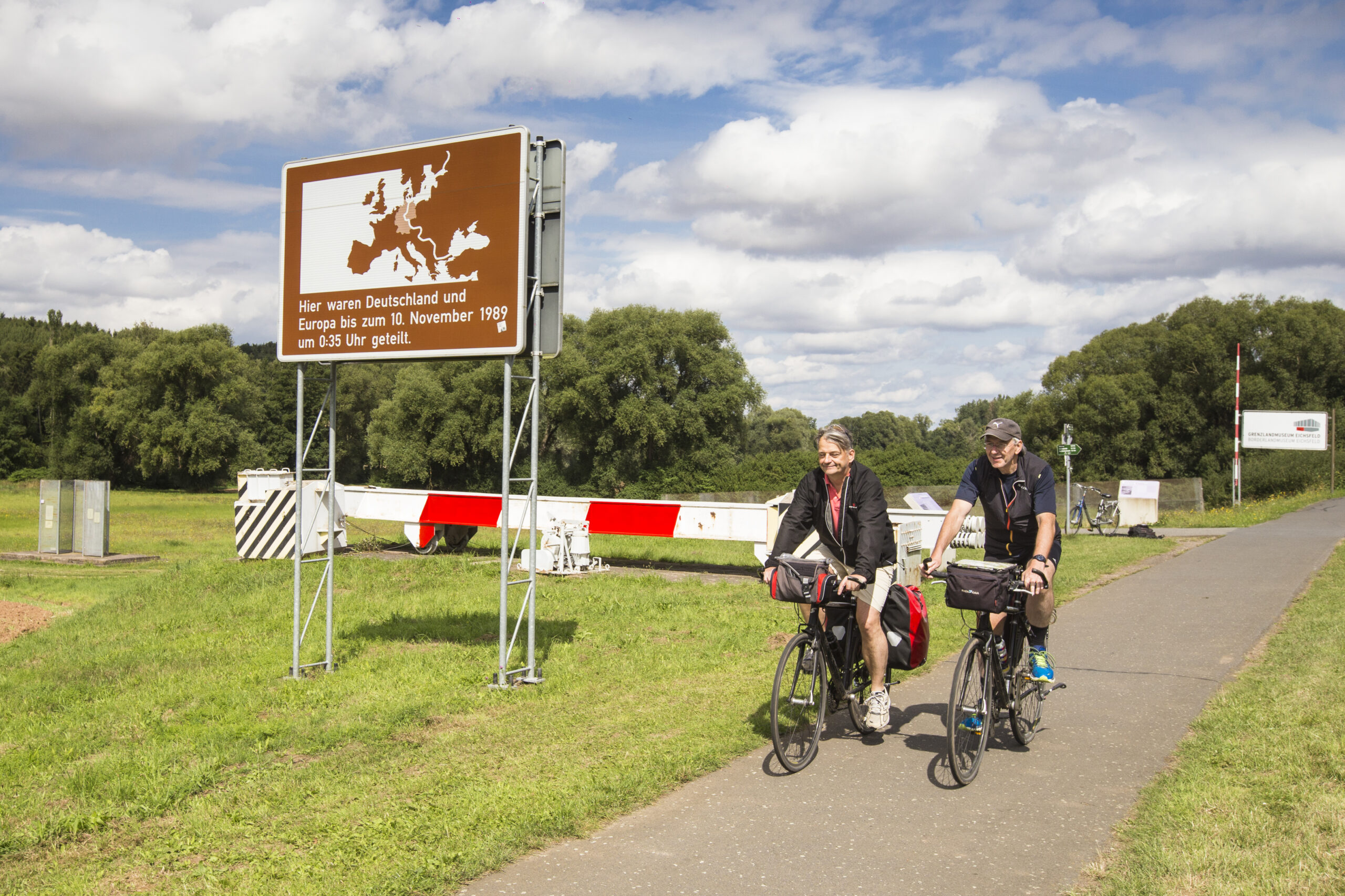
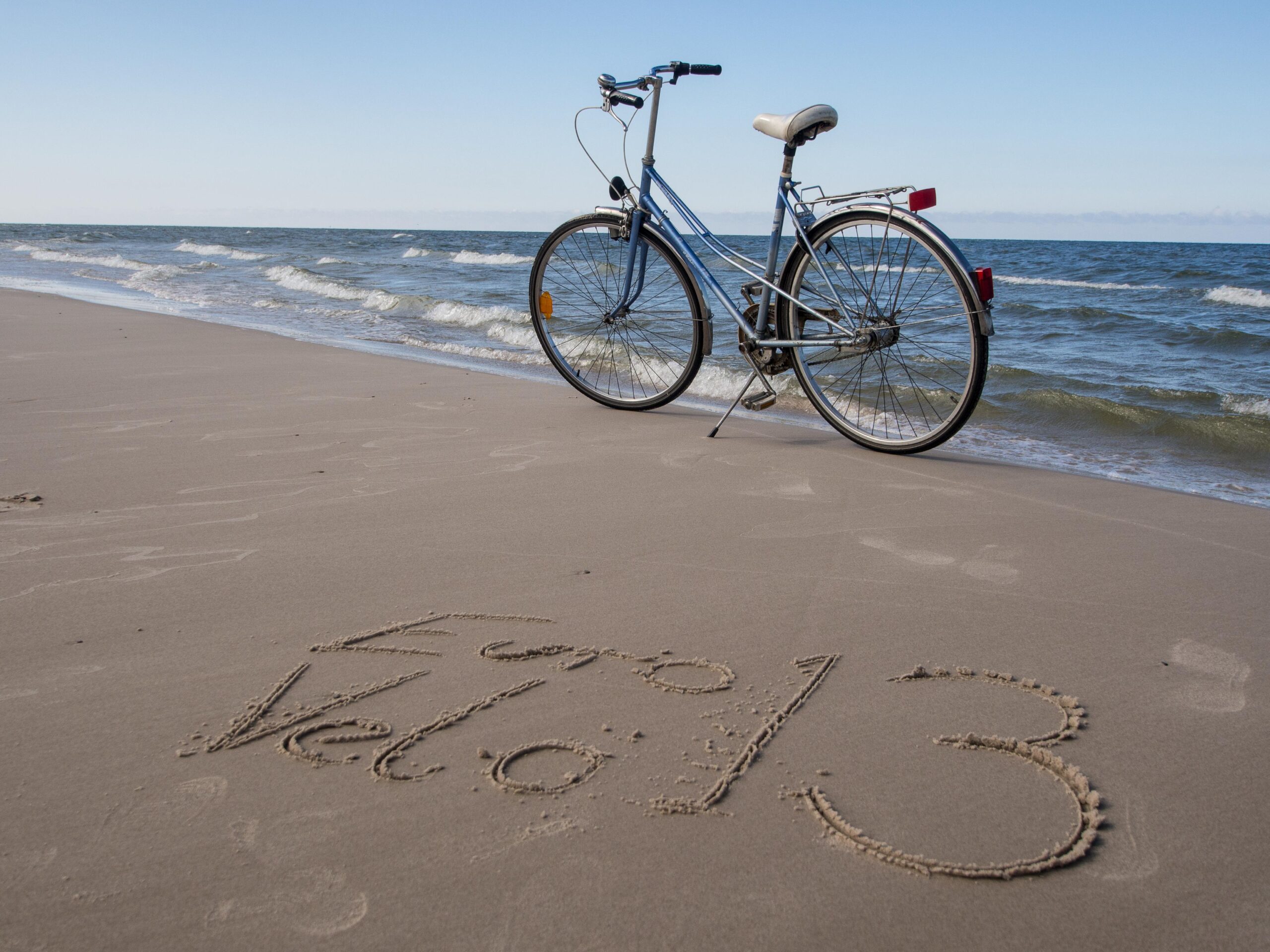
The ICTr-CE project, Innovative Participatory Sustainable Business Model for Cycling along the Iron Curtain Trail, has successfully concluded, leaving a clear legacy in cultural and long-distance cycling tourism along EuroVelo 13 – Iron Curtain Trail, one of Europe’s most historically and culturally significant routes. Since joining ICTr-CE in 2023, Iskriva Institute has been part of a collaborative journey that turned ideas into tangible results. Together with partners across nine Central European countries and with a budget of over 2,6 mio EUR, we worked to make the trail more accessible, sustainable, and engaging. Today, the results of our collaboration are clear:
- Two official Info and Booking Centres have been established and are now operational, providing centralized support for travelers.
- Six bookable cycling packages developed and available, emphasizing “Good Impact Cycling” — tours that combine adventure with measurable positive contributions
- Over 1,200 stakeholders (SMEs, tourism providers, etc.) trained in sustainable practices and digital skills.
- New practical tools to enhance sustainability were introduced, including:
-
- Newly developed Impact Measurement System (IMS) to evaluate and improve sustainability.
-
- Newly developed Good Impact Cycling to offset negative effects by funding environmental, social, and economic initiatives in the regions.
- Already existing CARMACAL carbon footprint calculator for assessing the environmental impact of cycling holidays.
These elements support a participatory business model tailored for small and medium-sized enterprises (SMEs), helping them operate more resource-efficiently, reduce environmental footprints, enhance visitor experiences, and create high-quality, culturally enriching tourism products.
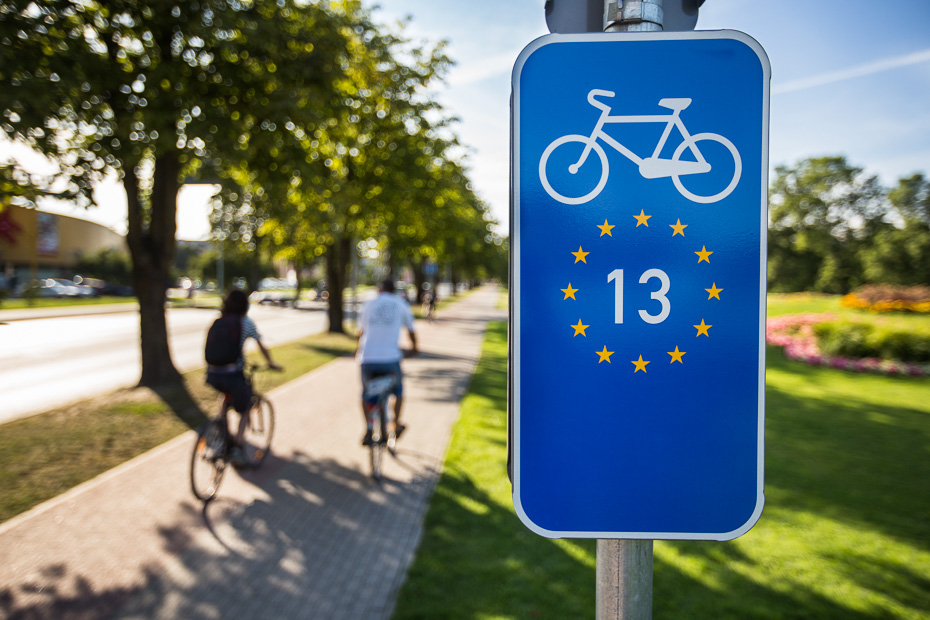
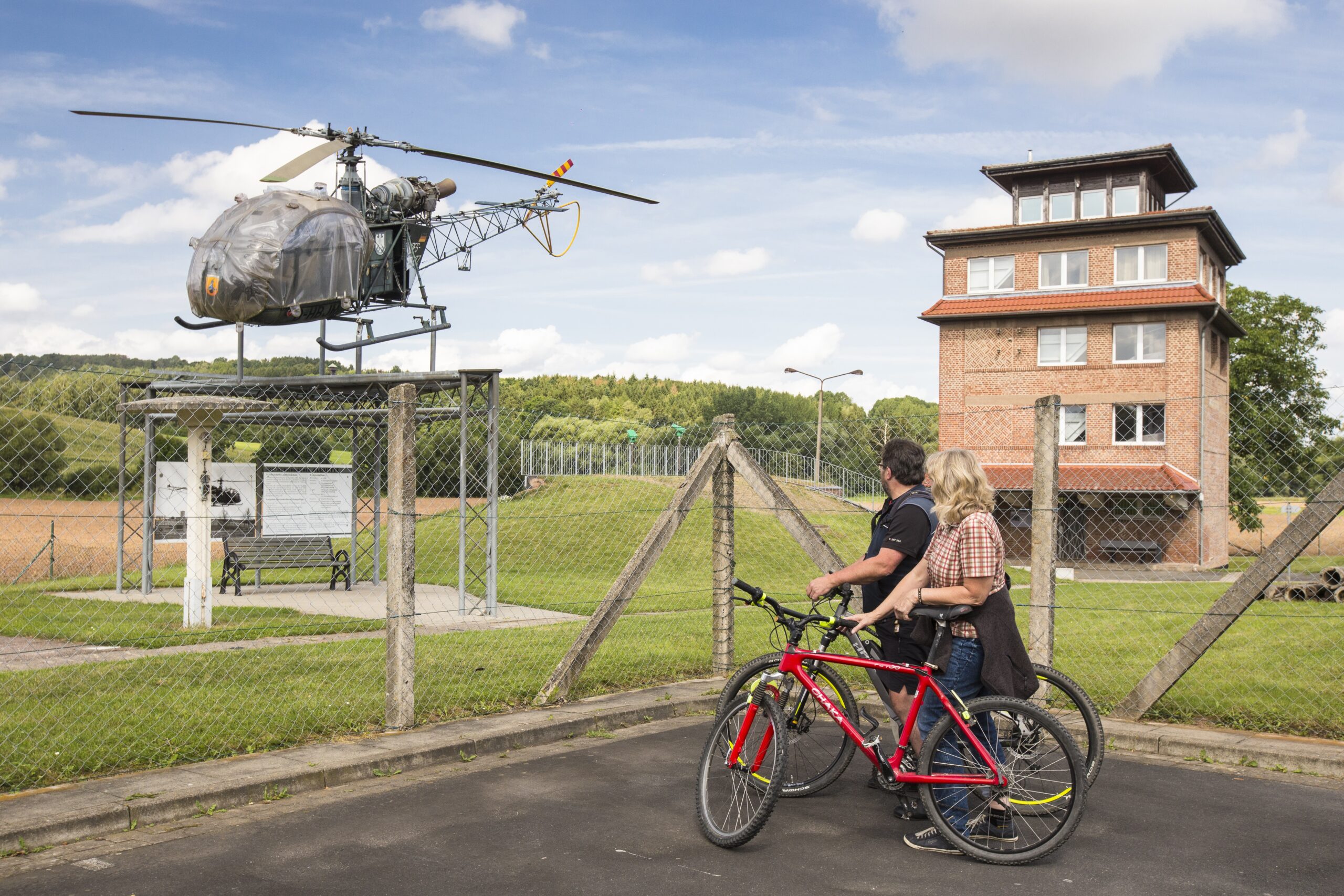
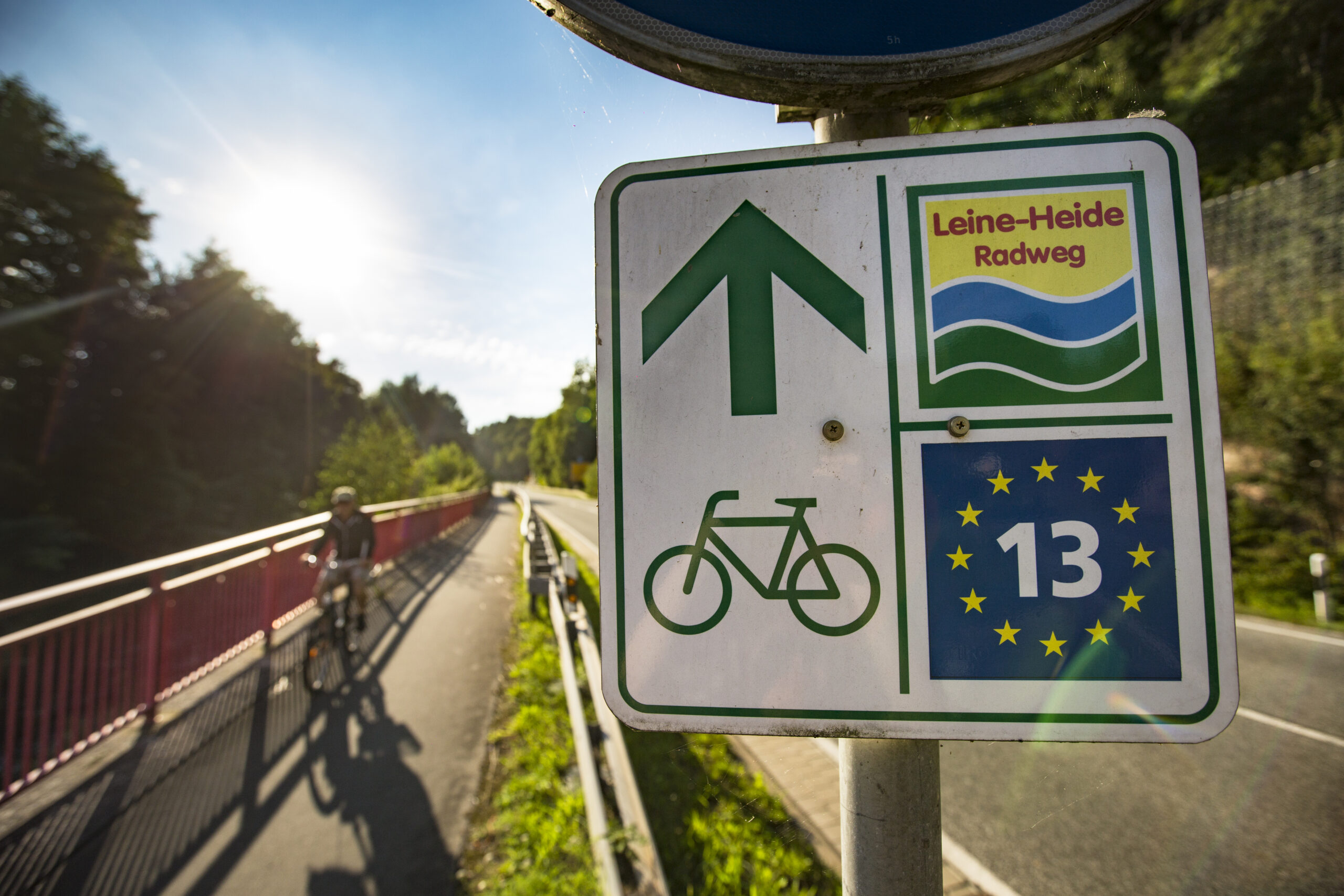
Stretching over 10,400 km across 20 countries, from the Barents Sea to the Black Sea, EuroVelo 13 – the Iron Curtain Trail traces the former Iron Curtain and is certified as a cultural route of the Council of Europe. ICTr-CE was set out to strengthen this route as a hub for sustainable, high-quality tourism. Through transnational collaboration, the project developed practical tools, training programmes, and scalable business models that are replicable across the regions along the trail. This Interreg Central Europe-funded initiative ran from March 2023 to February 2026, involving 12 partners across nine countries (including Belgium, Poland, Germany, the Czech Republic, Austria, Slovakia, Hungary, Slovenia, and Croatia) and focusing on approximately 3,000 km of the route in Central Europe.
Urška Dolinar, Director and Co-founder of Iskriva Institute, emphasized: “ICTr-CE has shown that sustainable tourism is not just a vision. With the right support, SMEs can implement circular practices, offer international market-ready packages, and measure their impact – creating benefits for travellers, local communities, and the environment alike.”
Info and Booking Centres and Ready-to-Book Cycling Packages
One of the project’s most visible results is the launch of two official Info and Booking Centres along the trail. These centres serve as hubs for cyclists, providing reliable planning, logistics, and sustainability guidance in connection with the local service providers. Managed by regional tour operators selected through a public process, they make it easy for travellers to experience EuroVelo 13 confidently and responsibly.
Alongside the centres, six bookable cycling packages were developed. Each package combines regional storytelling, cultural highlights, and sustainability principles. SMEs now have fully structured products to meet the growing demand for eco-conscious travel, and cyclists gain ready-made experiences that are engaging, well-organised, and environmentally mindful.
Practical Tools for Enhancing Sustainable Tourism: IMS and Carbon Footprint
To turn sustainability from a concept into practice, ICTr-CE introduced the Impact Measurement System (IMS). This hands-on, modular tool helps SMEs combine circular economy practices, quality standards, environmental responsibility, and social impact. It covers all aspects of the cycling experience, from bookings and guided tours to accommodation quality, food, transport, and knowledgeable tour guides. Actionable insights are generated through a combination of tour scripts and user feedback, giving providers a clear path to improve their sustainability performance.
The project also used an already existing tool CARMACAL, which makes carbon footprints tangible. Cyclists and tourism providers can measure emissions, compare travel options, and make informed choices to reduce environmental impact.
Good Impact Cycling: Measuring Positive Change
Another key achievement is Good Impact Cycling, which adds a Sustainability Score to each journey and tracks the traveller’s CO₂ footprint. From 2027, these scores will generate financial contributions embedded in trip prices, funding ecological and social projects along the trail. This approach goes beyond reducing negative impacts. It actively creates positive outcomes for local communities and ecosystems along EuroVelo 13 – Iron Curtain Trail.
Learning and Growing Together
The project reached over 285 SMEs, 98 business support organisations, 164 public institutions, 8 higher education and research organisations, and 93 additional participating organisations through mentoring and qualification activities. In total, more than 1,200 participants joined workshops, training sessions, and mentoring programmes. SMEs and other organisations learned to measure environmental impacts, develop sustainable tourism products, improve marketing and digital skills, and use IMS and carbon footprint tools in their everyday operations.
The scale and enthusiasm of participation demonstrate that when sustainable solutions are practical and directly relevant, SMEs are eager to adopt them.
Green Rides, Stronger Communities: ICTr-CE’s Impact on Pomurje and Beyond
The ICTr-CE project has had a meaningful and lasting impact on the development of cycling tourism in Slovenia, particularly in the Pomurje (Prekmurje). By enhancing the visibility, accessibility, and overall quality of cycling tourism along EuroVelo 13 – Iron Curtain Trail, it has opened up significant new opportunities.
»Local small and medium-sized enterprises (SMEs) are now much better positioned to attract international visitors, deliver high-quality and sustainable experiences, and proudly showcase the region’s rich cultural and natural heritage within a wider European network. The establishment of Info and Booking Centres, combined with ready-to-book cycling packages, has strengthened local tourism infrastructure. Meanwhile, comprehensive training programmes and practical tools have empowered businesses to operate more efficiently, responsibly, and in alignment with sustainability principles,« emphasized Urška Dolinar.
A Foundation for the Future
Thanks to these efforts, EuroVelo 13 is now better equipped for sustainable growth. Six market-ready packages, operational Info and Booking Centres, measurable sustainability tools, and a trained network of SMEs and stakeholders lay the groundwork for long-term collaboration. A memorandum of cooperation, signed in February 2026 in Murska Sobota, Slovenia, ensures that partners will continue working together also in the future.
At Iskriva Institute, we see this as just the beginning. Climate-resilient tourism is no longer just an idea. With the right tools, collaboration, and engagement, it is happening on the ground and is scalable across Europe.