Thermen & Vulkanland, March 11–13, 2026
Iskriva Institute organized a study visit to the Thermen & Vulkanland region in eastern Styria, Austria, one of the most successful regional development stories in the country. The region has transformed from an economically weak area into a recognized destination for sustainable tourism, local gastronomy, and high quality of life, based on a clearly defined long-term vision up to 2040.
The development is built on three strategic pillars: quality of life, a responsible approach to space, and a strong regional economy as the foundation of all activities. The key to success lies in a holistic approach that connects tourism with local production, culture, education, craftsmanship, and natural resource management and builds the long-term resilience of the region.
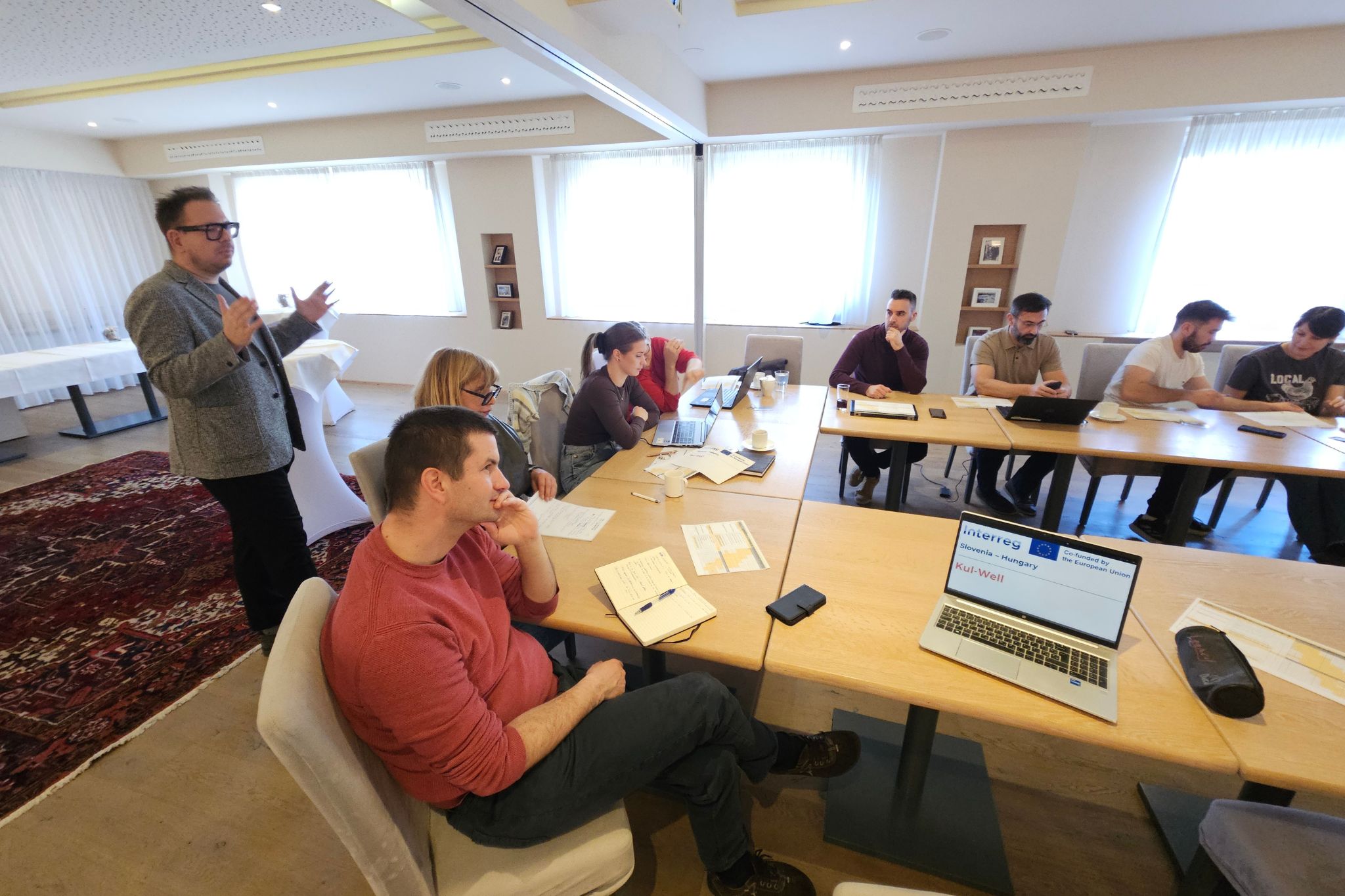
The study visit, intended for representatives of tourism organizations, development institutions, and local providers, offered insight into regional development structures, destination management, and systematic support for small local providers. A special emphasis was placed on a model of cooperation where providers operate as part of a connected ecosystem and jointly develop products, strengthen identity, and increase the competitiveness of the region.
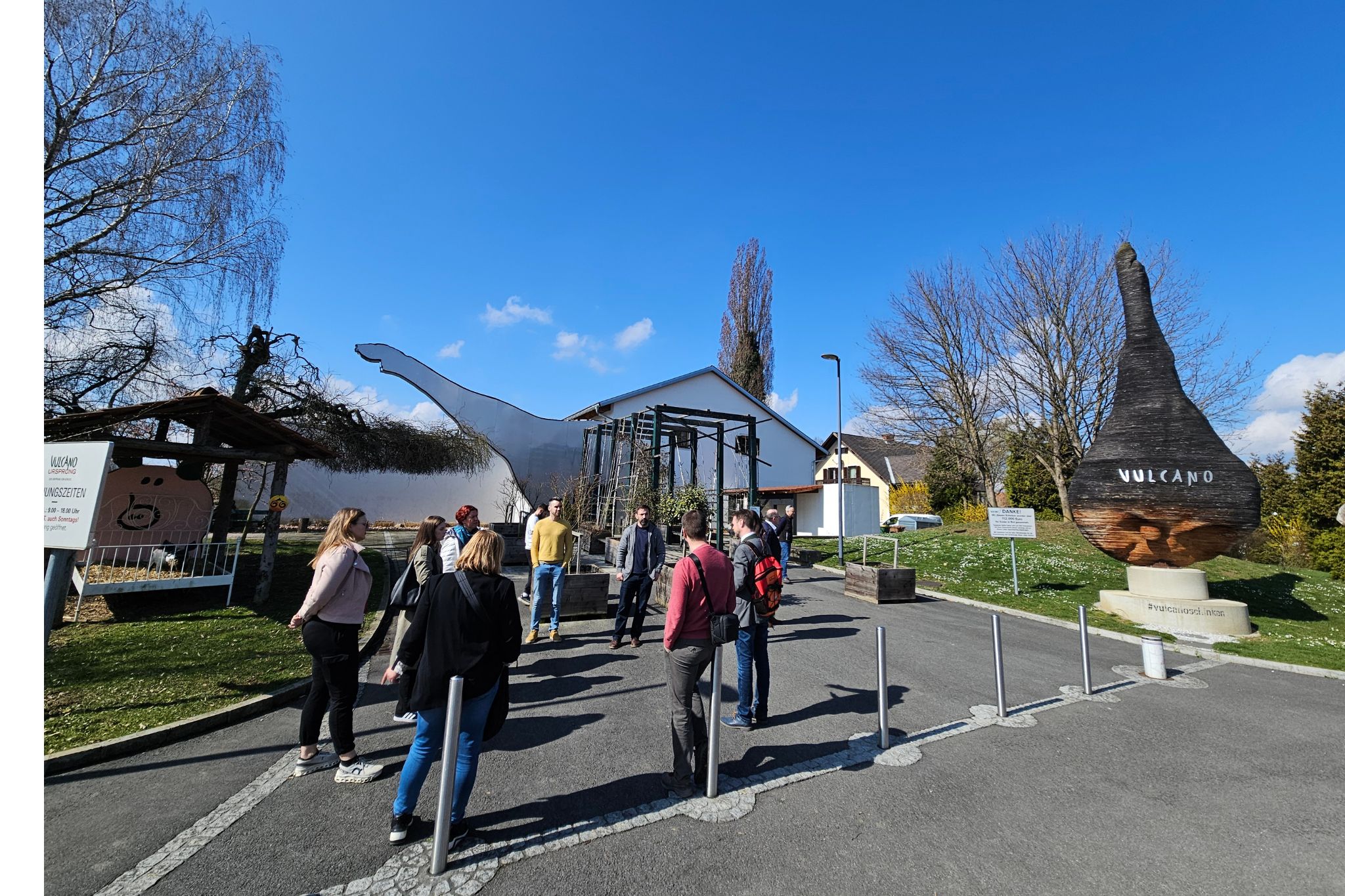
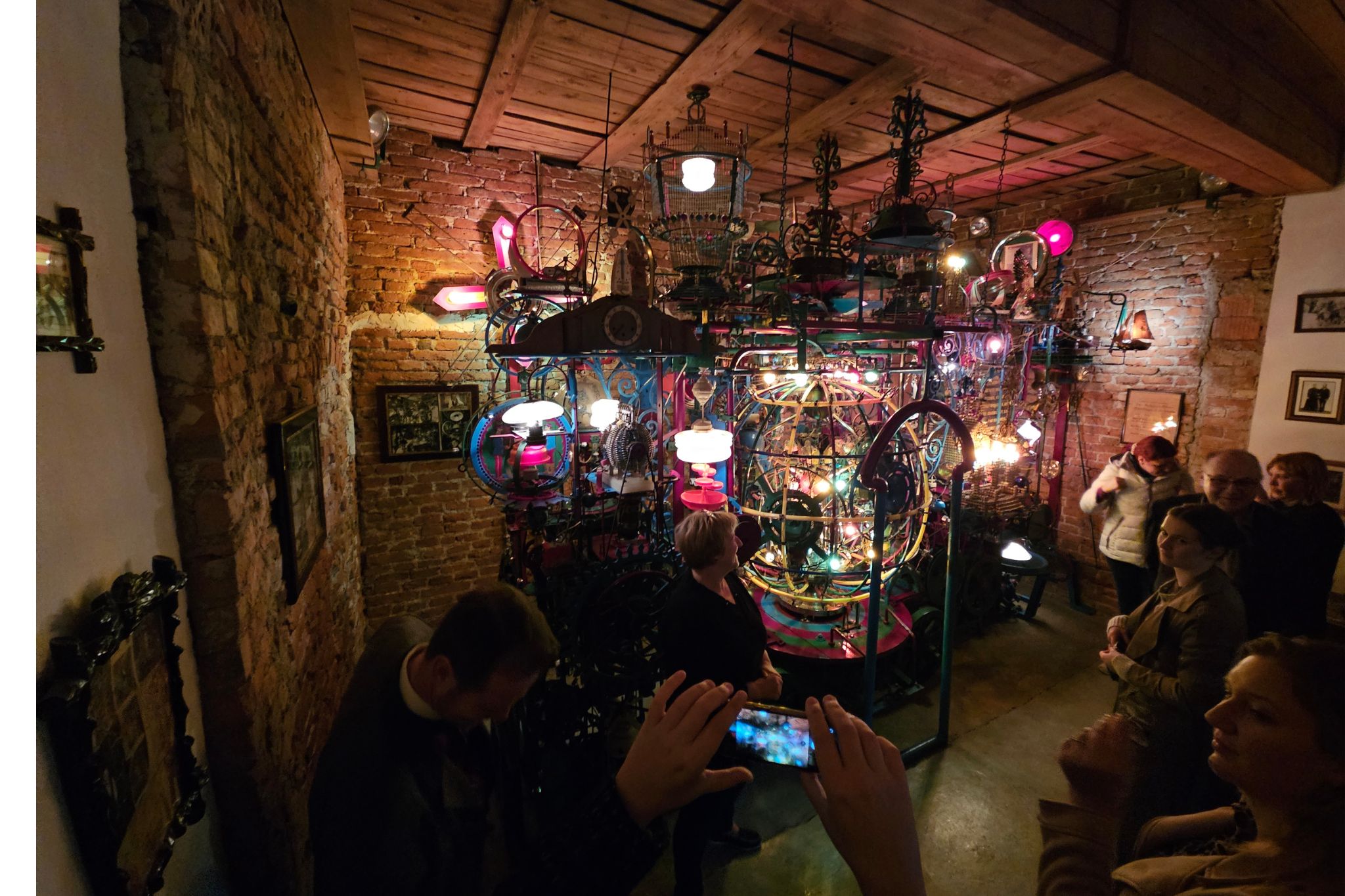
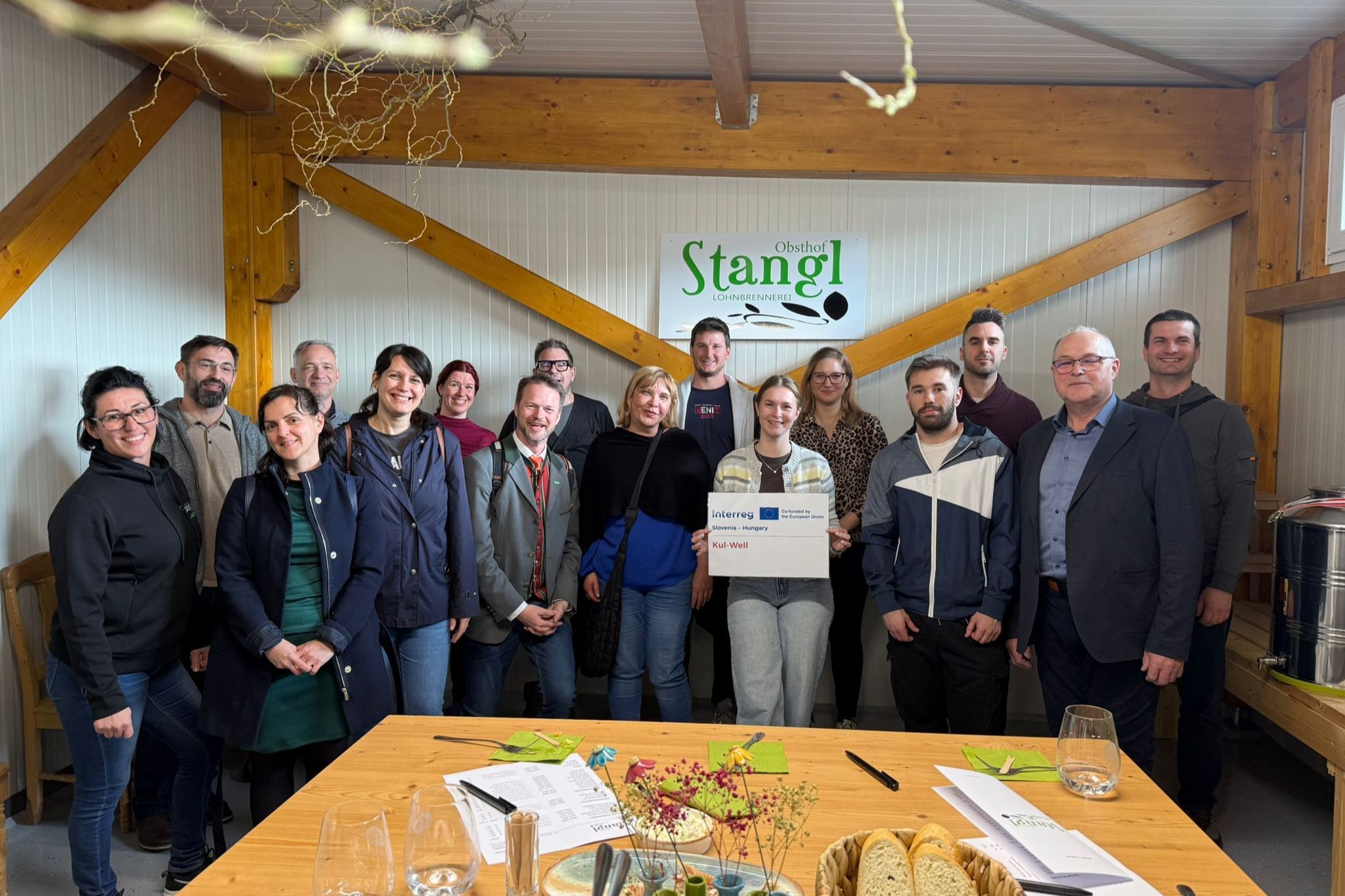
Participants were introduced to numerous examples of good practice, including the sustainably oriented estates Schloss Kapfenstein and Winkler-Hermaden Winery, Vulkanlandhotel Legenstein, and local success stories such as Vulcano Schinkenmanufaktur, Berghofer-Mühle, Obsthof Stangl, and Krenn.49 Weingut & Bistro. The region successfully transforms local resources into market-recognized stories, with an important role played by a shared regional brand that connects providers and enhances their visibility.
Urška Dolinar, Director of Iskriva Insrtitute, emphasized: “The Vulkanland region is an outstanding example of how a long-term vision, cooperation among local communities, and systemic support for small providers can create a recognizable and sustainable destination. The key is that development is based on strengthening local value chains, encouraging processing and innovation, and retaining added value within the region. Such an approach enables long-term sustainability, economic stability, and a high quality of life for both residents and visitors.”
At the conclusion of the visit, further steps for cross-border cooperation were agreed upon, particularly in the development of joint tourism experiences, the connection of festivals, and the exchange of good practices. The knowledge gained will contribute to the development of innovative and sustainable tourism initiatives in the border area between Slovenia and Hungary.
The study visit took place within the framework of the Kul-Well project under the Interreg Slovenia–Hungary programme, which promotes the integration of culture, wellness, and sustainable tourism, as well as the strengthening of small local providers in the cross-border area.