CE-VITA Kick-Off Meeting in Ljubljana Highlights Need for Faster and More Coordinated Post-Stroke Rehabilitation
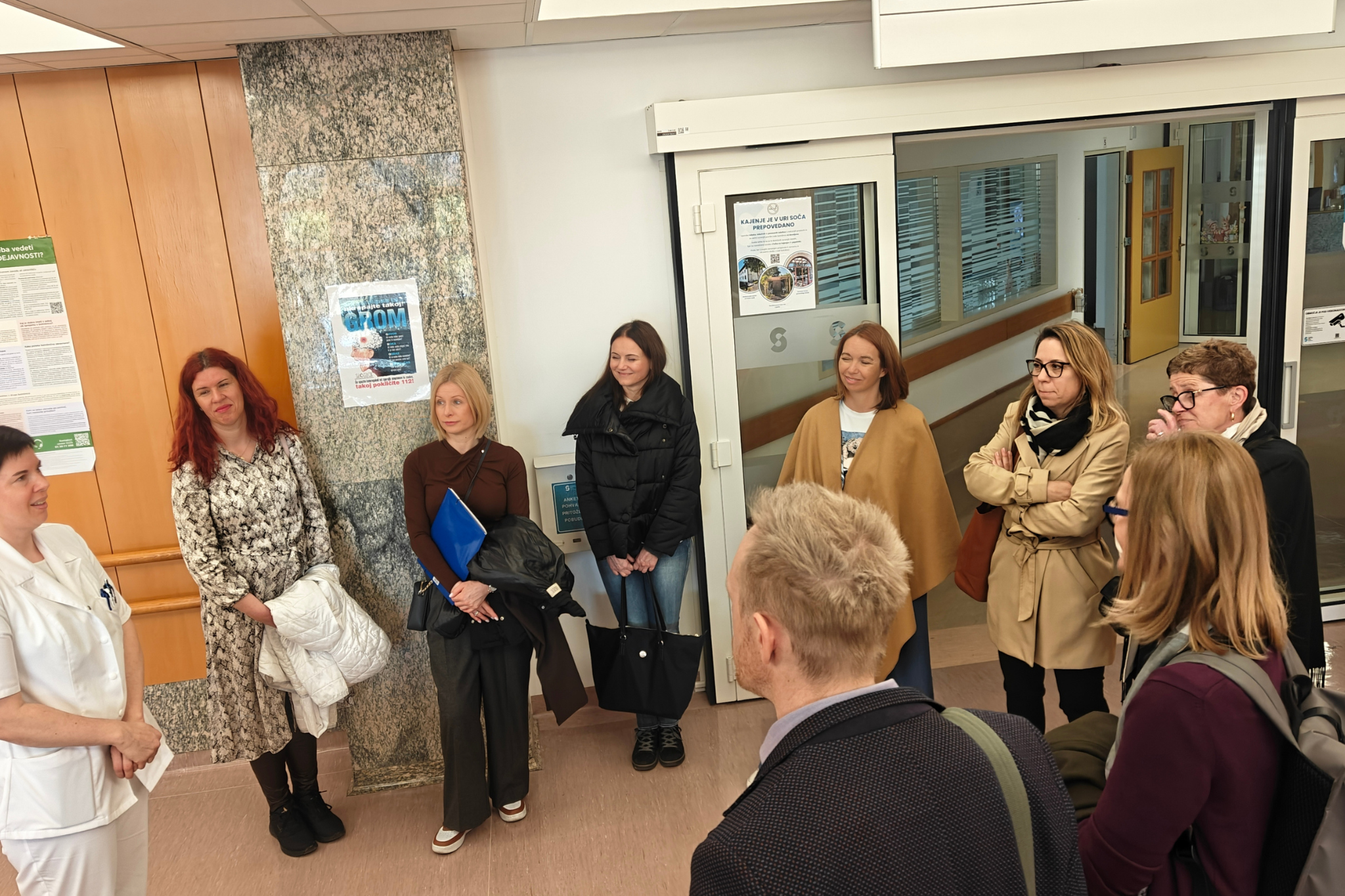
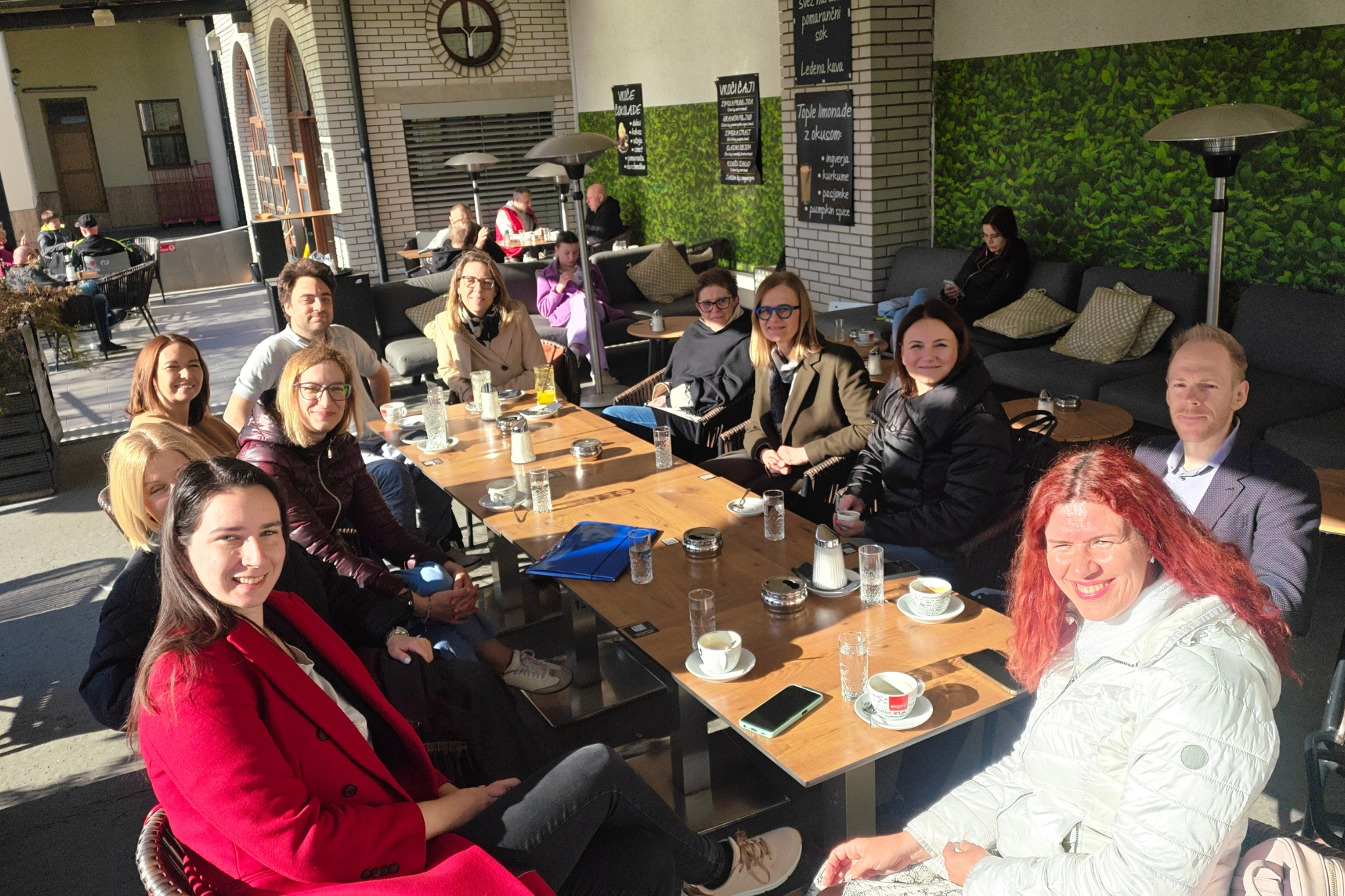
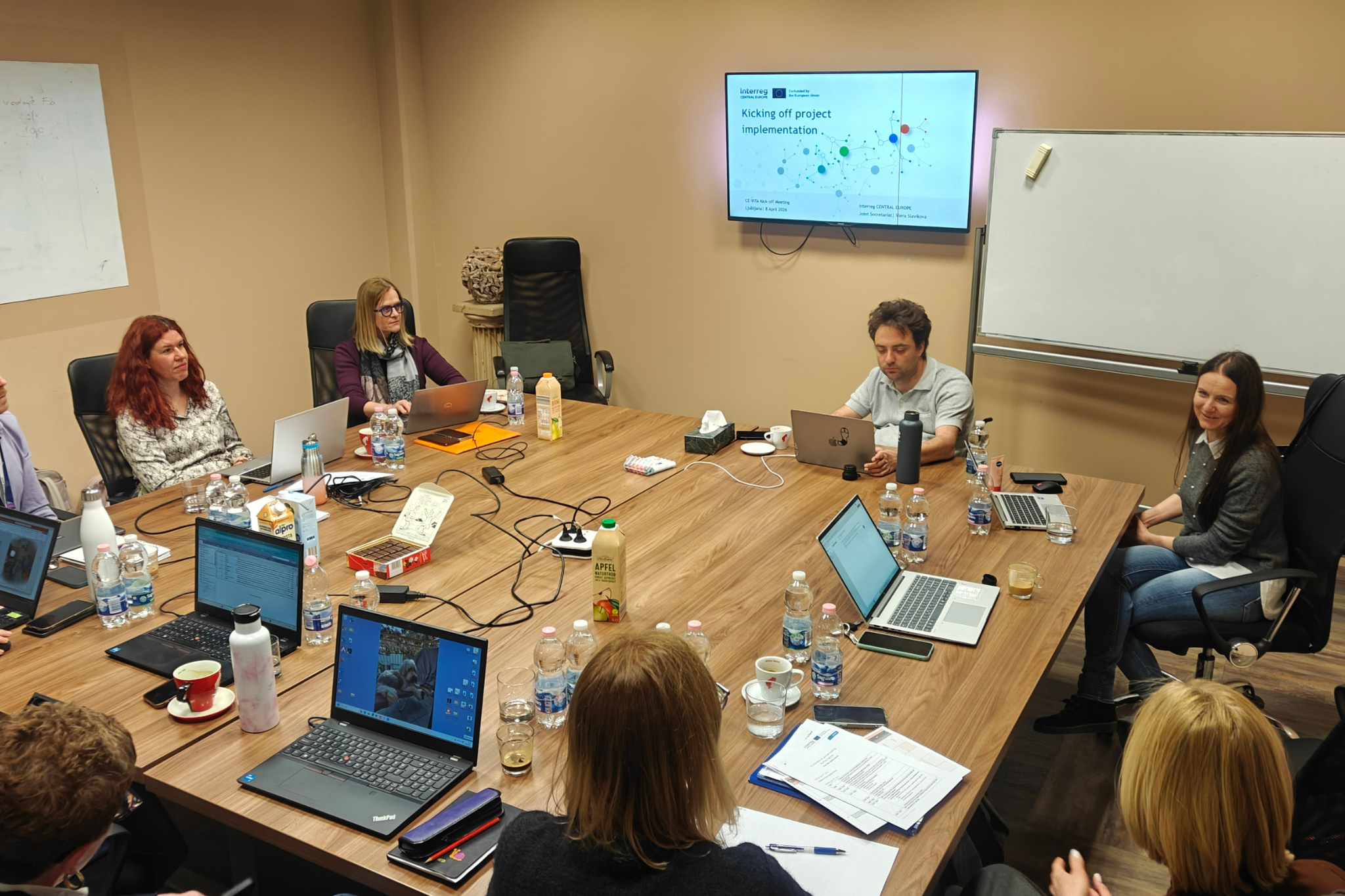
Ljubljana, April 8, 2026 – Partners of the CE-VITA project, funded by the Interreg Central Europe, gathered in Ljubljana for the official kick-off meeting, marking the start of the project’s implementation phase. The consortium also welcomed Iskriva Institute as a new partner. The programme included a study visit to the University Rehabilitation Institute Soča (URI Soča), focusing on stroke rehabilitation practice.
CE-VITA brings together partners from Slovenia, Slovakia, and Poland to address a structural challenge in peripheral Central European regions: uneven access to healthcare services and fragmented post-stroke rehabilitation pathways. The project focuses on improving continuity between acute care, rehabilitation, and long-term support, including home-based care supported by digital tools.
The consortium includes General Hospital Jesenice (SB Jeselice – lead partner), Iskriva Institute, the Rzeszow Regional Development Agency (RARR), and the University Hospital Martin, alongside other healthcare stakeholders.
Key Insight from URI Soča: Capacity and Timing Matter
The meeting opened with a visit to URI Soča, where participants were presented with key operational data:
- Around 5,000 stroke patients are treated annually.
- Approximately 260 patients are in rehabilitation at the same time.
- Waiting times up to 1–2 months.
- Average inpatient rehabilitation of around 4 weeks.
These figures point to a clear system pressure point: delays before rehabilitation often mean lost recovery time for patients. Assoc. Prof. Nataša Bizovičar, M.D., Specialist in Physical and Rehabilitation Medicine stressed: “The time gap between stroke and the start of physiotherapy remains too long, and more coordinated solutions are needed.” Early rehabilitation was highlighted as a decisive factor for long-term mobility and independence.
Why This Matters
Stroke remains one of the leading causes of long-term disability in Europe. While acute care has improved, access to rehabilitation still varies widely depending on system capacity and location, leading to unequal recovery outcomes for patients with similar conditions. The CE-VITA project, therefore, addresses a structural issue: how to ensure more timely and consistent transitions from hospital care into rehabilitation and home-based recovery.
As noted during discussions: “Recovery depends not only on treatment, but on how quickly the system responds afterwards.”
From Challenges to System Solutions
Partners agreed on a set of implementation priorities aimed at translating project work into practical healthcare improvements. These include the establishment of Regional Healthcare Improvement Hubs (HIHs), the development of regional healthcare profiles using stroke care pathways as a reference point, as well as monitoring and governance tools to support implementation.
The focus was on ensuring that outputs are usable in practice and relevant for decision-making across healthcare systems, rather than remaining theoretical.
Comparing Stroke Care Pathways Across Countries
A workshop compared rehabilitation pathways across participating countries, revealing several recurring system bottlenecks. These include delays in transitions between levels of care, limited coordination between providers, uneven access to post-acute rehabilitation, and insufficient structured support for recovery at home.
The discussion confirmed that stroke rehabilitation remains fragmented across systems and requires stronger coordination across the full care continuum.
Conclusion
The discussion confirmed a shared view across partners that stroke rehabilitation is still too often fragmented across systems, with gaps between services affecting continuity of care. Strengthening coordination across all levels of the healthcare pathway was identified as a key prerequisite for improving recovery outcomes.